


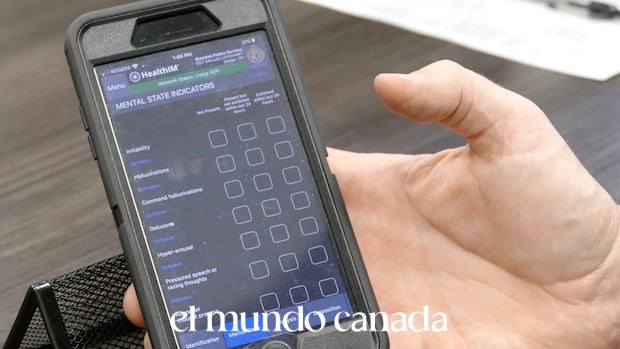
British Columbia is dramatically expanding access to a specialized RCMP mental health assessment tool designed to help Mounties better respond to crisis calls involving people in psychological distress. The initiative represents a significant shift in how police handle some of their most challenging and potentially dangerous encounters.
The provincial government announced that HealthIM, a digital assessment platform, will now be available to RCMP officers across the province. Previously limited to select detachments, the expansion aims to improve outcomes for both officers and vulnerable individuals experiencing mental health emergencies.
What Is HealthIM and How Does It Work?
HealthIM is a mobile application that guides police officers through a structured assessment process when they encounter someone in mental health crisis. The tool helps officers evaluate the severity of a situation and determine the most appropriate response.
Rather than relying solely on instinct or limited training, officers use the app to document observations and symptoms systematically. The platform then provides recommendations based on established mental health protocols.
The technology connects frontline officers with mental health resources and helps them decide whether someone needs immediate hospitalization, community support services, or other interventions.
Why B.C. Is Investing in Crisis Intervention Technology
Mental health-related calls represent a growing portion of police work across Canada. Officers frequently find themselves as first responders to situations requiring specialized psychiatric knowledge they may not possess.
Provincial officials cited several reasons for the expansion:
- Rising mental health call volumes across all detachments
- Need for consistent assessment standards province-wide
- Desire to reduce unnecessary hospitalizations
- Goal of connecting individuals with appropriate community services
- Officer safety concerns during unpredictable encounters
The investment reflects broader recognition that traditional policing approaches often fall short when addressing psychiatric emergencies.
Early Results From Pilot Programs
Detachments that previously implemented HealthIM reported encouraging outcomes. Officers described feeling more confident when handling complex mental health situations.
The tool has helped reduce the time people spend waiting in emergency rooms for psychiatric assessments. By providing detailed documentation of field observations, HealthIM gives hospital staff valuable information before patients arrive.
Police leaders noted that the structured approach also protects officers legally and professionally. The digital records create clear documentation of decision-making processes during high-pressure encounters.
Communities participating in pilot programs saw improved coordination between law enforcement and healthcare systems. The data collected through HealthIM helps identify gaps in local mental health services.
Training Requirements for Officers
Implementing the technology across British Columbia requires substantial training investments. Officers must learn not only how to use the application but also how to interpret its recommendations appropriately.
The RCMP is rolling out training programs that cover:
- Technical operation of the HealthIM platform
- Mental health awareness and de-escalation techniques
- Legal considerations around apprehension and assessment
- Communication strategies for individuals in crisis
- Collaboration protocols with health authorities
Training emphasizes that HealthIM supplements rather than replaces human judgment. Officers retain decision-making authority while gaining access to evidence-based guidance.
Provincial officials acknowledged that technology alone cannot solve the complex challenges surrounding police mental health response. The expansion accompanies broader investments in crisis intervention resources.
Addressing Concerns About the Expansion
Some mental health advocates have raised questions about police remaining primary responders to psychiatric emergencies. They argue that healthcare professionals should lead these interventions whenever possible.
Provincial representatives responded that HealthIM represents one component of a larger strategy. The government continues investing in mobile crisis teams that pair officers with mental health clinicians.
Privacy considerations also emerged during planning discussions. The platform collects sensitive health information that requires careful protection under provincial privacy laws.
Officials confirmed that data gathered through HealthIM remains subject to strict access controls. Information sharing between police and healthcare providers follows established legal frameworks.
The Bigger Picture for Crisis Response
British Columbia’s HealthIM expansion reflects national conversations about reforming police crisis intervention. Jurisdictions across Canada are experimenting with various approaches to reduce harm during mental health encounters.
Some communities have implemented civilian-led crisis teams that respond independently of police. Others focus on co-responder models pairing officers with nurses or social workers.
The HealthIM approach offers a middle path that enhances existing police capabilities without requiring complete system redesign. Proponents argue this pragmatic strategy can deliver improvements faster than more ambitious reforms.
Critics maintain that incremental changes fail to address fundamental questions about police involvement in healthcare matters. The debate continues as communities seek solutions that protect both public safety and individual dignity.
What This Means for British Columbians
Residents across British Columbia may notice changes in how RCMP officers respond to mental health emergencies. The expanded access to HealthIM should produce more consistent, informed assessments regardless of location.
Families supporting loved ones with mental illness may benefit from improved connections to community resources. The tool helps officers identify alternatives to hospitalization when appropriate.
The expansion also signals government commitment to addressing mental health challenges through multiple channels. While HealthIM focuses on crisis response, sustained progress requires investment in prevention and ongoing care.
British Columbians concerned about mental health services in their communities should explore available resources and advocate for continued improvements.
