


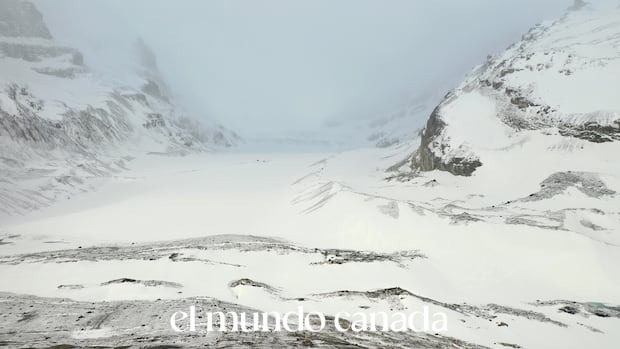
Parks Canada has released new information surrounding a Columbia Icefield skier death that occurred earlier this month in Jasper National Park. The agency confirmed that a 41-year-old man from Alberta lost his life while backcountry skiing in one of Canada’s most iconic yet treacherous alpine environments.
The incident serves as a stark reminder of the inherent dangers that accompany winter recreation in mountainous terrain. As investigators piece together the circumstances of this tragedy, outdoor enthusiasts and safety experts are calling for heightened awareness among those venturing into remote wilderness areas.
What Happened at Columbia Icefield
The Fatal Incident
According to Parks Canada, the fatal accident took place on May 10, 2025, in the Columbia Icefield area of Jasper National Park. The victim, whose identity has not been publicly released, was engaged in backcountry skiing when the incident occurred.
Emergency responders received notification of the accident and immediately launched a search and rescue operation. Despite their efforts, officials confirmed the skier did not survive.
The Columbia Icefield spans approximately 325 square kilometers and sits at elevations exceeding 3,000 meters. This massive ice field feeds eight glaciers and presents significant hazards including crevasses, unstable snow conditions, and rapidly changing weather patterns.
Investigation Findings
Parks Canada conducted a thorough investigation into the circumstances surrounding the death. While specific details about the cause remain limited, authorities emphasized that backcountry skiing in glaciated terrain carries substantial risks even for experienced adventurers.
The agency noted that conditions in high alpine environments can deteriorate quickly, catching even well-prepared individuals off guard. Factors such as hidden crevasses, avalanche danger, and extreme cold contribute to the hazardous nature of these activities.
Understanding Backcountry Skiing Risks
Glacial Terrain Hazards
Skiing on or near glaciers presents unique challenges that differ significantly from resort skiing. Crevasses—deep cracks in the ice—pose one of the most serious threats. These gaps can be concealed by snow bridges that appear stable but may collapse under a skier’s weight.
Additional hazards include:
- Avalanche zones with unpredictable slide patterns
- Whiteout conditions that eliminate visibility
- Altitude sickness at elevations above 2,500 meters
- Hypothermia risk from sudden temperature drops
- Remote locations far from emergency services
The Columbia Icefield area experiences all these dangers simultaneously, making it one of the more challenging backcountry destinations in North America.
Safety Recommendations
Parks Canada consistently urges backcountry travelers to take comprehensive precautions before entering remote alpine areas. Essential safety measures include:
Proper Equipment: Carrying avalanche transceivers, probes, shovels, and glacier travel gear such as ropes and harnesses can prove lifesaving in emergency situations.
Training and Experience: Completing avalanche safety courses and glacier travel training provides critical skills for recognizing and avoiding hazards.
Travel Companions: Never venturing alone into backcountry terrain ensures that help remains available if accidents occur.
Weather Monitoring: Checking current conditions and forecasts before departure allows travelers to make informed decisions about proceeding or turning back.
Trip Registration: Filing trip plans with Parks Canada or trusted contacts enables faster emergency response if travelers become overdue.
Columbia Icefield: Beauty and Danger
A Popular Destination
The Columbia Icefield attracts thousands of visitors annually, drawn by its stunning glacial landscapes and recreational opportunities. Located along the scenic Icefields Parkway between Jasper and Banff, this natural wonder represents one of the largest accumulations of ice south of the Arctic Circle.
Summer tourists often visit the Athabasca Glacier via guided ice walks or specialized glacier vehicles. However, winter and spring bring a different crowd—backcountry skiers and mountaineers seeking challenging terrain away from developed ski resorts.
Previous Incidents
This latest fatality joins a somber history of deaths in the Columbia Icefield region. The combination of extreme terrain, variable conditions, and remote access has claimed multiple lives over the decades.
Parks Canada maintains rescue teams capable of responding to emergencies throughout Jasper National Park. However, the agency emphasizes that prevention remains more effective than rescue in such hazardous environments.
Emergency Response and Resources
Search and Rescue Operations
When incidents occur in backcountry areas, Parks Canada coordinates with various agencies to mount rescue efforts. These operations often involve helicopters, specialized mountain rescue teams, and considerable resources.
Response times in remote locations like the Columbia Icefield can extend significantly due to weather restrictions on helicopter flights and the physical challenges of reaching victims on foot.
Available Support Services
Parks Canada encourages all backcountry users to register their trips through official channels, carry satellite communication devices, know the locations of emergency shelters, and understand self-rescue techniques.
The agency also provides avalanche bulletins and condition reports through its website and partner organizations like Avalanche Canada.
Lessons for Outdoor Enthusiasts
Community Response
The outdoor recreation community has responded to this tragedy with renewed calls for safety awareness. Experienced backcountry travelers emphasize that no mountain objective justifies taking unnecessary risks.
Social media discussions have highlighted the importance of conservative decision-making when conditions appear marginal. Turning back from a planned route often represents the wisest choice, even when it means abandoning a desired goal.
Honoring the Victim
While respecting the family’s privacy during this difficult time, the backcountry community acknowledges the loss of a fellow enthusiast. Many hope this incident will prompt others to prioritize safety in their own adventures.
