


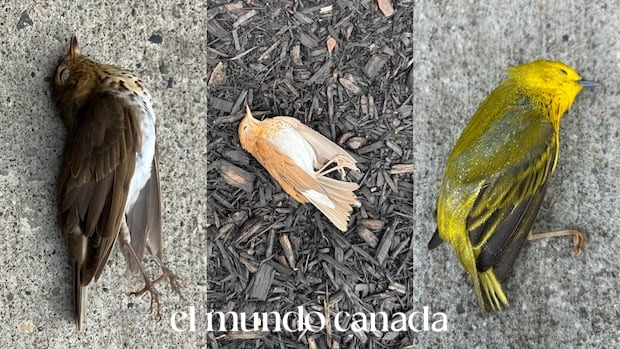
Every year, bird window collisions kill an estimated one billion birds across North America alone. In Kitchener, Ontario, one dedicated advocate is working tirelessly to change that grim statistic. Susan Huntley, a volunteer with the local bird rescue community, spends her mornings patrolling downtown streets, searching for injured and deceased birds that have struck glass buildings overnight.
The problem has reached crisis levels in urban areas where reflective glass facades dominate modern architecture. What many people dismiss as occasional accidents actually represents one of the most significant human-caused threats to bird populations on the continent.
The Silent Epidemic Affecting Urban Bird Populations
Bird strikes against windows have become a leading cause of avian mortality in cities across Canada and the United States. Unlike habitat loss or climate change, this threat operates silently, one bird at a time, often going unnoticed by the general public.
Glass poses a unique danger because birds cannot perceive it as a solid barrier. They see reflections of trees, sky, and open space—or they spot indoor plants through transparent panes—and fly directly into what they believe is a safe passage.
In Kitchener’s urban core, Huntley documents dozens of casualties weekly during peak migration seasons. Her meticulous records reveal patterns that urban planners and building managers have long ignored.
“People walk past dead birds every day without realizing there’s a systemic problem,” Huntley explained to local media. “Each one represents a preventable death.”
How Glass Buildings Create Death Traps for Migratory Birds
The architecture of modern cities inadvertently creates lethal obstacles for migrating species. Glass facade dangers multiply during spring and fall migrations when millions of birds travel through urban corridors.
Several factors make buildings particularly deadly:
Reflective surfaces mirror surrounding vegetation, creating the illusion of continuous habitat. Birds approaching at high speeds have no time to recognize the deception before impact.
Transparent corners on buildings with floor-to-ceiling windows appear as flythrough passages. Birds attempting to pass through strike glass at full velocity.
Nighttime lighting disorients nocturnal migrants that navigate by stars. Illuminated buildings draw birds toward them, increasing collision risks dramatically.
Studies from Fatal Light Awareness Program (FLAP) Canada indicate that low-rise buildings actually cause more bird deaths than skyscrapers because of their proximity to vegetation where birds feed and shelter.
One Advocate’s Mission to Document and Prevent Deaths
Susan Huntley began her advocacy work after discovering an injured cedar waxwing beneath her office window. That single encounter transformed into a decade-long commitment to bird conservation efforts in the Kitchener-Waterloo region.
Her methodology combines citizen science with grassroots activism. Each morning during migration season, she walks predetermined routes through downtown Kitchener, documenting every bird casualty she encounters.
The data she collects serves multiple purposes. It identifies the most dangerous buildings in the city, tracks which species suffer the highest mortality rates, and provides evidence for advocating policy changes with municipal officials.
Huntley also operates an informal rescue network. Birds that survive initial impacts often suffer concussions, broken wings, or internal injuries. She transports survivors to licensed wildlife rehabilitators who provide medical care.
“Survival rates improve dramatically when injured birds receive treatment within the first few hours,” she noted. “Time is everything.”
Simple Solutions That Building Owners Can Implement
The encouraging news is that preventing bird strikes does not require expensive building renovations. Several cost-effective solutions have proven highly effective at reducing window collision mortality.
Window films and decals applied to exterior glass surfaces break up reflections and make barriers visible to approaching birds. Patterns spaced no more than two inches apart provide the most protection.
External screens or netting installed over problematic windows create a physical buffer that prevents direct impacts. Birds that strike these barriers typically escape uninjured.
Reduced nighttime lighting during migration periods significantly decreases disorientation deaths. Many cities have implemented “lights out” programs encouraging building managers to dim or extinguish unnecessary illumination.
Angled glass installations on new construction can redirect reflections downward, eliminating the mirror effect that confuses birds.
Huntley actively works with Kitchener building owners to implement these bird-safe building practices. Several downtown properties have already installed protective films after reviewing her casualty data.
Municipal Action and Growing Awareness
Local governments across Canada have begun recognizing bird window collisions as an environmental issue requiring policy intervention. Toronto became the first major city to mandate bird-friendly design standards for new construction.
Kitchener advocates are pushing for similar regulations. They argue that incorporating bird-safe features during initial construction adds minimal costs compared to retrofit solutions later.
The movement has gained support from unexpected allies. Insurance companies have noted that bird-strike prevention measures also reduce glass breakage claims. Property managers appreciate solutions that minimize unsightly carcasses near building entrances.
Environmental organizations continue documenting the scope of the problem through volunteer monitoring programs similar to Huntley’s efforts. Their combined data strengthens arguments for legislative action.
What Residents Can Do to Protect Birds
Homeowners contribute significantly to bird window collision deaths, particularly those with backyard feeders positioned near large windows. Taking action at the residential level can save thousands of birds annually.
Experts recommend placing feeders either within three feet of windows—too close for birds to build dangerous momentum—or more than thirty feet away, giving birds adequate reaction time.
Applying visible markers to home windows, especially those reflecting gardens or sky, dramatically reduces strike risk. Commercial products range from subtle ultraviolet decals invisible to humans to decorative films that add privacy.
Closing blinds or curtains when rooms are unoccupied eliminates the see-through effect that draws birds toward interior plants.
Participating in local monitoring programs provides valuable data while raising community awareness about this overlooked conservation issue.
Bird window collisions represent a solvable problem hiding in plain sight. Through the efforts of advocates like Susan Huntley and growing municipal awareness, communities across Canada are beginning to address this preventable cause of bird mortality.
