


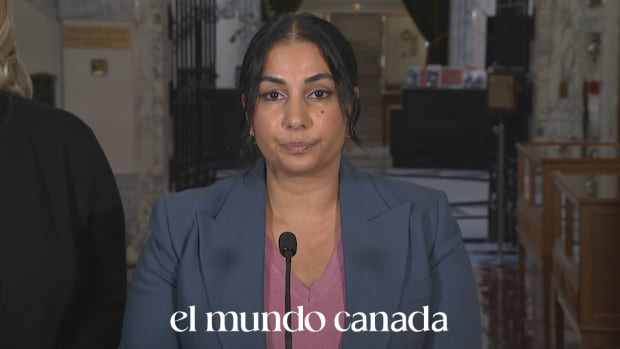
British Columbia’s Attorney General Niki Sharma has publicly stated that potential victims of a Saanich voyeurism case have the “right to know” critical details about their possible involvement in the criminal investigation. The statement comes amid growing pressure on police to notify individuals who may have been secretly recorded by a convicted voyeur operating in the Greater Victoria area.
The case has sparked significant public concern about victim notification protocols and police transparency when handling sensitive voyeurism investigations in Canada. Sharma’s comments signal a potential shift in how authorities approach communication with those affected by such privacy violations.
Attorney General Calls for Police Transparency
Niki Sharma made her position clear during recent public statements, emphasizing that individuals potentially captured in voyeuristic recordings deserve to be informed about their situation. The Attorney General’s intervention highlights the delicate balance between ongoing investigations and victims’ rights to information.
“People have a right to know,” Sharma stated, addressing concerns that have emerged since details of the Saanich case became public. Her comments reflect growing expectations that law enforcement agencies prioritize victim notification in privacy crime cases.
The Attorney General’s office has indicated support for establishing clearer protocols around notifying potential victims in voyeurism investigations. This stance aligns with broader advocacy efforts pushing for more victim-centered approaches in British Columbia’s justice system.
Details of the Saanich Voyeurism Investigation
The case centers on a convicted voyeur who operated within the Saanich, British Columbia area. While specific details about the perpetrator remain limited to protect the integrity of ongoing proceedings, the investigation has revealed that numerous individuals may have been recorded without their knowledge or consent.
Saanich Police Department has faced questions about its notification procedures and timeline for contacting potential victims. The department must navigate complex considerations, including:
- Protecting evidence integrity for potential additional charges
- Respecting privacy of those who may appear in recordings
- Managing the psychological impact of notifications on victims
- Coordinating with Crown prosecutors on disclosure requirements
Law enforcement officials typically face challenges in voyeurism cases when determining the scope of victimization. Recordings may contain images of numerous individuals, making comprehensive notification both logistically difficult and emotionally sensitive.
Victim Rights and Notification Protocols in Canada
Canadian law provides certain protections and rights for victims of crime, including those affected by voyeurism offenses. The Canadian Victims Bill of Rights, enacted in 2015, establishes statutory rights to information, protection, participation, and restitution for crime victims.
However, the application of these rights in voyeurism cases presents unique challenges. Many victims remain unaware they have been victimized until police contact them, creating a notification paradox that agencies must carefully manage.
Privacy advocates argue that potential victims deserve prompt notification so they can:
- Access mental health support services
- Make informed decisions about their involvement in legal proceedings
- Take steps to protect their privacy going forward
- Seek civil remedies if appropriate
Critics of delayed notification contend that withholding information from victims prioritizes investigative convenience over individual rights. The Saanich case has amplified these concerns within British Columbia’s victim advocacy community.
Police Response and Ongoing Investigation
Saanich Police have maintained that their investigation follows established protocols while acknowledging the sensitive nature of victim communications. The department faces the complex task of identifying individuals in recordings while respecting both investigative requirements and victim dignity.
Law enforcement agencies across Canada have increasingly developed specialized approaches to voyeurism crime investigations. These protocols typically involve coordinating with victim services units to provide appropriate support during notification, training officers in trauma-informed communication practices, establishing secure methods for handling sensitive digital evidence, and working with prosecutors to determine disclosure obligations.
The Saanich department has not publicly detailed its specific notification timeline or methodology, citing the ongoing nature of certain investigative elements.
Broader Implications for BC Justice System
Attorney General Sharma’s public comments may signal forthcoming policy discussions about standardizing victim notification procedures across British Columbia. Her office oversees prosecution services and plays a key role in shaping criminal justice policy throughout the province.
Legal experts suggest that the Saanich case could prompt legislative or policy reforms addressing notification requirements in privacy-related criminal offenses. Such reforms might establish clearer timelines and procedures for informing potential victims.
The case also highlights growing public awareness of voyeurism as a serious criminal offense. Under the Criminal Code of Canada, voyeurism carries maximum penalties of five years imprisonment, reflecting the significant harm such violations cause to victims.
Support Resources for Affected Individuals
Individuals who believe they may have been affected by voyeurism crimes in the Saanich area can contact local victim services for support and information. VictimLink BC provides 24-hour assistance to victims of crime throughout the province.
Mental health professionals emphasize that learning one has been victimized by voyeurism can cause significant psychological distress. Accessing support services promptly can help affected individuals process their experiences and understand their options.
Community organizations in Greater Victoria have also mobilized to provide resources and advocacy for those potentially impacted by the case.
The Saanich voyeurism case has elevated important conversations about victim rights, police transparency, and notification protocols in British Columbia. Attorney General Niki Sharma’s clear statement that potential victims have a “right to know” key details underscores growing expectations for victim-centered approaches in privacy crime investigations. As authorities continue their work on this case, the outcomes may shape how similar investigations proceed across Canada. Individuals concerned about potential victimization should contact local authorities or victim services organizations for guidance and support.
