


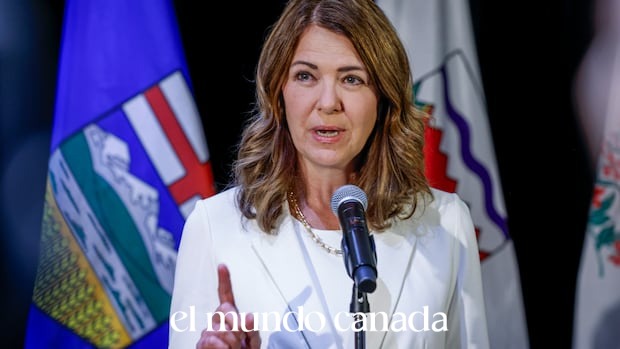
The annual Western premiers meeting in Canada reached its conclusion today with Alberta Premier Danielle Smith emphasizing the critical need for interprovincial cooperation amid mounting economic and political challenges facing the region.
As leaders from British Columbia, Alberta, Saskatchewan, Manitoba, and the northern territories gathered in Whitehorse, Yukon, the discussions centered on trade, energy security, and a unified response to American tariff threats. Smith’s call for a “spirit of collaboration” signals a potential shift in tone after months of interprovincial tension.
Western Premiers Tackle Trade and Tariff Concerns
The Western premiers meeting arrives at a pivotal moment for Canadian federalism. With the United States maintaining aggressive trade policies under President Donald Trump, provincial leaders recognize the urgency of presenting a united front.
Premier Smith acknowledged the significance of setting aside differences to address external pressures. The premiers discussed strategies for reducing trade barriers between provinces while strengthening economic ties within the region.
British Columbia Premier David Eby and Smith, who have clashed repeatedly over energy and environmental policy, appeared to find common ground on trade-related matters. This development marks a notable departure from their previous public disagreements.
Energy Policy Dominates Provincial Discussions
Energy remained a central theme throughout the two-day summit. Western Canada’s oil and gas sector faces uncertainty from both international market conditions and domestic policy debates.
The premiers explored opportunities for interprovincial energy cooperation, including pipeline access and electricity grid connections. Alberta, as Canada’s largest oil producer, has long advocated for greater infrastructure development to move resources to market.
Saskatchewan Premier Scott Moe echoed Smith’s sentiments regarding collaboration, emphasizing the economic importance of the energy sector to western Canadian communities. The prairie provinces share similar concerns about federal environmental regulations affecting resource development.
Manitoba Premier Wab Kinew brought a different perspective, highlighting the potential for renewable energy partnerships. His province’s significant hydroelectric capacity could play a role in regional energy security strategies.
Internal Trade Barriers Face Renewed Scrutiny
One of the most substantive outcomes from the Western premiers meeting involves commitments to reduce internal trade barriers. Canadian provinces have historically maintained regulations that complicate commerce across provincial boundaries.
The premiers announced intentions to streamline regulatory frameworks affecting key industries. This includes examining professional credential recognition, transportation regulations, and agricultural product standards.
Economists have long criticized Canada’s internal trade restrictions as economically harmful. Studies suggest that interprovincial trade barriers cost the Canadian economy billions annually in lost productivity and efficiency.
The western provinces collectively represent a significant portion of Canada’s economic output. Improved cooperation could strengthen their negotiating position with both Ottawa and international partners.
Smith and Eby Navigate Complex Relationship
Perhaps the most closely watched dynamic at the summit involved the relationship between premiers Smith and Eby. The two leaders represent starkly different political philosophies and have publicly feuded over issues ranging from carbon pricing to natural resource development.
Smith, who leads Alberta’s United Conservative Party government, has positioned herself as a champion of provincial autonomy and fossil fuel interests. Eby, heading British Columbia’s New Democratic Party administration, has prioritized environmental protection and climate action.
Despite these differences, both leaders expressed willingness to cooperate on matters of mutual benefit. Their ability to work together could prove essential as western Canada navigates challenging economic conditions.
The premiers avoided direct confrontation during public appearances, choosing instead to emphasize areas of agreement. This diplomatic approach suggests recognition that ongoing conflict serves neither province’s interests.
Northern Territories Add Unique Perspectives
Leaders from Yukon, the Northwest Territories, and Nunavut participated in the discussions, bringing attention to issues specific to Canada’s North. These territories face distinct challenges related to infrastructure, climate change, and Indigenous reconciliation.
Yukon Premier Ranj Pillai, hosting the event in Whitehorse, highlighted the importance of including northern voices in regional decision-making. The territories depend heavily on their relationships with provincial neighbors for economic development and transportation links.
Arctic sovereignty and northern development featured prominently in conversations about Canada’s strategic interests. The premiers acknowledged the need for coordinated approaches to developing northern resources responsibly.
Implications for Federal-Provincial Relations
The outcomes of the Western premiers meeting carry significant implications for Canada’s federal system. Western provinces have increasingly asserted their autonomy on matters traditionally influenced by Ottawa.
Prime Minister Mark Carney’s Liberal government faces pressure to accommodate regional concerns while maintaining national policy coherence. The unified messaging from western leaders could strengthen their collective bargaining position in federal-provincial negotiations.
The premiers stopped short of issuing ultimatums but made clear their expectations for federal responsiveness. Issues including equalization payments, environmental regulations, and immigration policy remain points of contention between western provinces and the federal government.
Looking Ahead: What the Meeting Means for Western Canada
The conclusion of this year’s Western premiers meeting leaves observers cautiously optimistic about improved regional cooperation. While fundamental policy differences remain unresolved, the commitment to collaboration represents meaningful progress.
Economic pressures from American tariffs may have created unexpected incentives for provincial unity. Western Canadian leaders appear to recognize that internal divisions weaken their position when facing external challenges.
The coming months will reveal whether summit commitments translate into concrete policy changes. Provincial governments must now work through bureaucratic processes to implement discussed initiatives.
Key Takeaways and Next Steps
The Western premiers meeting demonstrated that Canadian provincial leaders can prioritize pragmatic cooperation despite ideological differences. Smith’s emphasis on collaboration resonated with her counterparts, producing commitments on trade, energy, and regulatory coordination.
For residents and businesses across western Canada, these developments could eventually mean reduced barriers to interprovincial commerce and more coherent regional economic policy. Stakeholders should monitor provincial announcements in the coming weeks for specific implementation details and consider how potential changes might affect their operations.
