


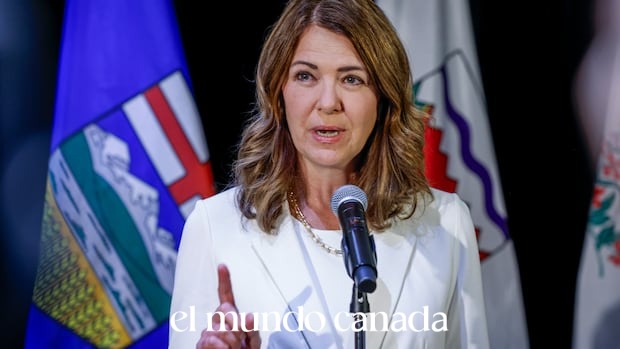
Alberta Premier Danielle Smith called on her fellow provincial leaders to embrace a “spirit of collaboration” as the western premiers meeting entered its final day in Alberta. The gathering brought together leaders from Canada’s four western provinces to address pressing economic, energy, and interprovincial issues amid growing tensions with the federal government.
The high-stakes summit highlighted both areas of agreement and persistent divisions among the western leaders, setting the stage for potential shifts in how provinces coordinate their responses to national policies.
Key Discussions Dominate the Premier Summit
The western premiers meeting featured extensive discussions on trade, energy policy, and interprovincial cooperation. Premier Smith, hosting the event, emphasized the need for provinces to present a united front on issues affecting western Canada’s economic interests.
“We have to exercise a spirit of collaboration,” Smith stated during her remarks to assembled media. The Alberta premier stressed that despite political differences, western provinces share common economic concerns that require coordinated action.
British Columbia Premier David Eby joined his counterparts at the table, representing the lone NDP voice among the conservative-leaning western leadership. His presence underscored the importance of cross-partisan dialogue on regional issues that transcend political boundaries.
Energy Policy Takes Center Stage
Energy development emerged as a dominant theme throughout the two-day summit. The western provinces, home to Canada’s largest oil, gas, and hydroelectric resources, share significant interests in how federal energy policies affect their economies.
Smith pushed for greater provincial autonomy over resource development, a consistent theme in her political agenda. She argued that western provinces possess the expertise and economic incentive to manage their energy sectors effectively.
The premiers discussed potential strategies for:
- Coordinating responses to federal environmental regulations
- Expanding interprovincial energy infrastructure
- Promoting western Canadian energy exports internationally
- Addressing workforce challenges in the resource sector
Premier Eby, while supporting economic development, maintained British Columbia’s commitment to climate action. This tension between resource extraction and environmental protection illustrated the complex balance western leaders must navigate.
Trade and Economic Cooperation
Beyond energy, the provincial leaders addressed broader economic concerns affecting western Canada. Trade barriers between provinces, infrastructure investment, and economic diversification featured prominently in their discussions.
The premiers acknowledged that interprovincial trade restrictions cost the Canadian economy billions annually. They explored mechanisms to reduce these barriers and facilitate smoother commerce across provincial boundaries.
Transportation infrastructure received particular attention. The western provinces depend heavily on efficient movement of goods to Pacific ports and American markets. Leaders discussed coordinating advocacy for federal infrastructure investment.
Agricultural trade also emerged as a priority topic. Western Canada’s farming and ranching sectors face unique challenges, from market access issues to transportation bottlenecks that affect commodity prices and farm profitability.
Federal-Provincial Relations Under Scrutiny
The summit provided a forum for premiers to align their positions regarding federal government policies. Smith has consistently positioned herself as a vocal critic of Ottawa’s approach to provincial jurisdiction.
The Alberta premier reiterated her concerns about federal overreach into areas of provincial responsibility. She argued that collaboration among provinces strengthens their collective bargaining position when dealing with the federal government.
Other premiers expressed varying degrees of alignment with this position. While all supported greater provincial autonomy in certain areas, they differed on specific policy approaches and the appropriate tone for federal-provincial negotiations.
The premiers committed to continued dialogue on federal issues, though specific joint action plans remained under development. Future meetings will likely address concrete strategies for coordinating provincial responses to federal initiatives.
Interprovincial Challenges Persist
Despite calls for collaboration, the western provinces continue to navigate significant disagreements. Environmental policy, particularly regarding emissions regulations and carbon pricing, remains contentious.
British Columbia’s carbon tax and climate policies differ substantially from Alberta’s approach. These differences create friction in energy discussions and complicate efforts to present unified positions on environmental regulations.
Water management and allocation issues also surfaced during discussions. As climate change affects precipitation patterns and water availability, western provinces face growing competition for this critical resource.
The premiers acknowledged these challenges while committing to continued dialogue. Smith emphasized that disagreement on specific issues should not prevent cooperation on shared priorities.
Looking Ahead: Future of Western Cooperation
As the western premiers meeting concluded, leaders outlined next steps for continued collaboration. They agreed to maintain regular communication channels and coordinate on priority issues affecting the region.
The premiers scheduled future meetings to address ongoing concerns and monitor progress on agreed initiatives. Staff-level working groups will continue developing policy options between summit gatherings.
Smith expressed optimism about the trajectory of western cooperation, noting that productive dialogue benefits all provinces regardless of political differences. She emphasized that western Canada’s economic prosperity depends on effective interprovincial coordination.
The summit demonstrated both the potential and limitations of regional cooperation in Canada’s federal system. While premiers found common ground on economic issues, fundamental policy differences ensure ongoing negotiations will remain complex.
The western premiers meeting showcased Canada’s provincial leaders attempting to balance regional cooperation with distinct political priorities. Premier Smith’s call for collaboration resonated throughout the summit, even as significant policy differences persisted among the gathered leaders.
For Canadians watching these developments, the outcomes of such meetings directly affect economic policy, energy development, and federal-provincial relations.
