


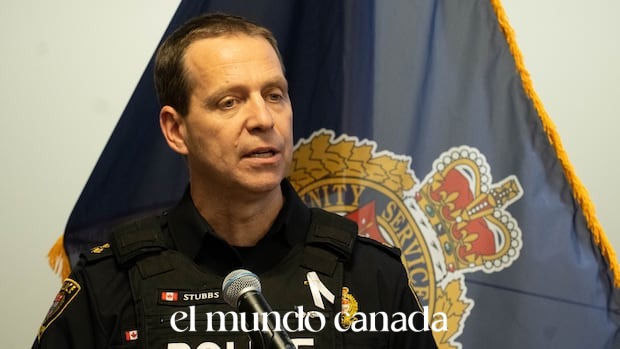
The Ottawa Police Service faces renewed scrutiny as Chief Eric Stubbs prepares to deliver a comprehensive Ottawa Police misconduct update to the Ottawa Police Service Board. This briefing comes amid growing public concern about how the force handles allegations of officer wrongdoing and the transparency of its internal accountability processes.
The update represents a critical moment for the police service as it works to rebuild community trust while addressing systemic issues within its ranks.
What Prompted the Chief’s Update
Chief Stubbs scheduled this update in response to mounting pressure from community advocates, board members, and concerned residents demanding clearer information about how the Ottawa Police Service investigates and responds to misconduct complaints.
The Ottawa Police Service Board, which provides civilian oversight of the police force, has increasingly focused on accountability measures. Board members have signaled their intent to ask pointed questions about current protocols and potential reforms.
This briefing follows several high-profile incidents that raised questions about police accountability within the OPS. Community organizations have called for greater transparency in how the service disciplines officers and prevents future misconduct.
Key Areas Expected in the Briefing
Internal Investigation Procedures
Chief Stubbs will likely address the current framework for investigating misconduct allegations against officers. The Professional Standards Section handles internal investigations, but critics have questioned whether the existing system adequately holds officers accountable.
The update may include statistics on complaints received, investigations completed, and disciplinary actions taken. Such data helps the public understand whether the service takes misconduct seriously.
Officer Discipline and Consequences
One major focus involves the consequences officers face when investigations substantiate misconduct claims. The range of disciplinary measures includes verbal warnings, formal reprimands, suspension without pay, demotion, and termination.
Community advocates have pushed for clearer information about which penalties apply to specific types of misconduct. They argue that transparency about consequences helps deter future violations.
Community Response and Expectations
Advocacy Groups Demand Action
Local advocacy organizations have expressed cautious optimism about the upcoming update. Many groups have long called for structural reforms to how police investigate their own members.
Representatives from community organizations emphasize that meaningful change requires more than policy adjustments. They seek cultural shifts within the police service that prioritize accountability at every level.
“The community wants to see concrete actions, not just promises,” advocates have consistently maintained in public forums and board meetings.
Public Trust Concerns
Recent surveys and community consultations reveal declining public confidence in police accountability mechanisms. Residents, particularly from marginalized communities, have voiced skepticism about whether internal investigations deliver genuine justice.
The Ottawa Police Service Board recognizes that restoring trust requires demonstrable commitment to transparency. Board members have indicated they expect Chief Stubbs to outline specific, measurable improvements.
The Role of the Police Service Board
The Ottawa Police Service Board plays a crucial oversight function in ensuring police accountability. As a civilian body, the board sets policy direction and holds the chief accountable for operational decisions.
Board members have the authority to request detailed reports on misconduct trends and disciplinary outcomes. They can also direct the chief to implement policy changes that strengthen accountability measures.
This governance structure aims to balance operational independence with democratic oversight. However, critics argue the board needs stronger powers to investigate specific incidents independently.
Board’s Recent Focus on Accountability
Over the past year, the board has prioritized accountability issues in its strategic planning. Members have approved motions requiring more frequent updates on misconduct statistics and investigation timelines.
The board has also explored whether Ottawa should establish additional oversight mechanisms, such as an independent civilian review agency with investigative powers.
Broader Context of Police Accountability in Canada
The discussion in Ottawa reflects nationwide conversations about police oversight and reform. Several Canadian cities have implemented or considered enhanced accountability measures following public pressure.
Ontario’s Special Investigations Unit handles cases involving serious injury or death, but many misconduct allegations fall outside its mandate. This gap has prompted calls for expanded civilian oversight at the municipal level.
The federal government has also signaled interest in supporting police reform initiatives, though most policing falls under provincial and municipal jurisdiction.
Lessons from Other Jurisdictions
Other Canadian police services have adopted various transparency measures that Ottawa could consider. Some forces publish regular misconduct reports with detailed statistics, while others have established community advisory panels.
Toronto, Vancouver, and Calgary have all experimented with different accountability models. Their experiences offer potential templates for Ottawa as it considers reforms.
What Comes Next
Following Chief Stubbs’ presentation, the Ottawa Police Service Board will likely deliberate on whether current accountability measures meet community expectations. Board members may direct additional reporting requirements or policy reviews.
Community organizations plan to monitor the board’s response closely. Many groups have indicated they will continue advocating for stronger oversight regardless of the update’s content.
The Ottawa Police Service faces a pivotal moment in demonstrating its commitment to accountability. How leadership responds to misconduct concerns will shape public perception for years to come.
Residents who wish to engage with this issue can attend board meetings, submit written deputations, or contact their elected representatives. Public participation strengthens civilian oversight and ensures community voices influence policing policy.
