


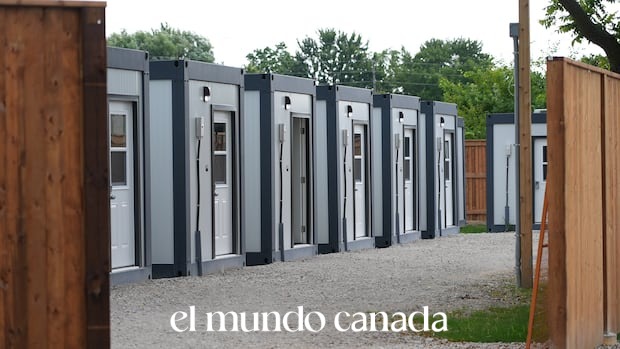
A new report challenges how Ontario municipalities allocate their limited resources in the fight against homelessness. The United Way Elgin Middlesex released findings this week arguing that Ontario homelessness funding solutions must shift away from temporary housing programs toward more permanent interventions.
The research suggests that emergency shelters and transitional housing, while necessary, fail to address the root causes of housing instability. As cities across the province grapple with rising homeless populations and shrinking budgets, this report adds fuel to an ongoing debate about the most effective strategies for tackling one of Ontario’s most pressing social issues.
Temporary Housing Programs Under Scrutiny
The Cost-Effectiveness Question
The United Way report raises critical questions about return on investment in homeless services. According to the findings, temporary housing solutions consume significant portions of municipal budgets while producing limited long-term outcomes.
Emergency shelters typically cost municipalities between $1,800 and $2,500 per person monthly to operate. These facilities provide immediate relief but rarely transition individuals into stable, permanent housing situations.
The report suggests that communities are essentially managing homelessness rather than solving it, highlighting a systemic issue affecting communities throughout the province.
The Revolving Door Effect
One of the report’s most compelling arguments centers on what researchers call the revolving door phenomenon. Many individuals cycle through emergency shelters and transitional programs multiple times, never achieving housing stability.
This pattern creates several problems for both service providers and those experiencing homelessness:
- Resource depletion as the same individuals require repeated interventions
- Staff burnout among shelter workers and case managers
- Diminished outcomes for people stuck in temporary arrangements
- Reduced capacity for newcomers to the homeless population
The report emphasizes that breaking this cycle requires fundamentally rethinking how communities approach affordable housing crisis management.
Permanent Housing First: A Better Approach?
Evidence-Based Alternatives
The United Way research advocates for increased investment in Housing First models, which prioritize placing homeless individuals directly into permanent housing with wraparound support services.
Studies from across North America demonstrate that Housing First approaches often prove more cost-effective over time. Participants in these programs show higher rates of housing retention, improved mental health outcomes, and reduced emergency service utilization.
The report cites jurisdictions that have successfully implemented these models, noting significant reductions in chronic homelessness rates.
Barriers to Implementation
Despite the evidence, municipalities face substantial obstacles when attempting to shift toward permanent housing solutions. The most significant challenge remains the severe shortage of affordable rental units across Ontario.
Vacancy rates in many Ontario cities hover below 2%, making it nearly impossible for housing programs to secure adequate inventory. Construction of new affordable units lags far behind population growth and housing need.
Additionally, permanent housing programs require different funding structures, staffing models, and community partnerships than traditional shelter systems. Making this transition demands political will and sustained investment.
Municipal Budget Realities
Competing Priorities
City councils throughout Ontario struggle to balance homelessness spending against other essential services. The report acknowledges these constraints while arguing that current allocation patterns may actually increase long-term costs.
London, Ontario, where the United Way conducted much of its research, has seen its homeless population grow substantially over the past decade. Despite increased shelter funding, the city has not achieved meaningful reductions in street homelessness.
Similar patterns emerge in Toronto, Ottawa, Hamilton, and other major centers. Municipal leaders express frustration at what feels like a losing battle against an ever-growing crisis.
Provincial and Federal Roles
The report calls for greater coordination between all levels of government. Municipalities alone cannot solve the homelessness crisis, particularly when income support programs and healthcare services fall under provincial jurisdiction.
Federal housing investments through the National Housing Strategy have begun flowing to communities, but advocates argue these funds remain insufficient given the scale of need. The report recommends that provincial officials reassess funding formulas and program requirements to enable more flexible, locally-driven solutions.
Expert Perspectives on the Path Forward
What Social Service Leaders Say
Community organizations working on the front lines of homelessness largely support the report’s conclusions. Many service providers have long advocated for systemic changes that address housing affordability, mental health support, and addiction services comprehensively.
However, some experts caution against completely abandoning temporary housing infrastructure. Emergency shelters serve critical functions during extreme weather events and for individuals not yet ready for permanent housing placements.
A balanced approach, they suggest, maintains emergency capacity while gradually shifting resources toward prevention and permanent solutions.
Indigenous-Specific Considerations
The report also highlights the disproportionate impact of homelessness on Indigenous populations in Ontario. Indigenous-led organizations emphasize the need for culturally appropriate housing solutions that address historical trauma and community-specific needs.
Any reallocation of homelessness funding must account for these unique circumstances and ensure Indigenous communities have decision-making authority over programs serving their members.
What Municipalities Can Do Now
Practical Recommendations
The United Way report offers several actionable recommendations for local governments reviewing their homeless services funding strategies:
- Conduct program audits to assess current spending effectiveness
- Establish clear outcome metrics beyond simple bed counts
- Build partnerships with private landlords and developers
- Invest in prevention programs that intervene before housing loss occurs
- Coordinate regional approaches to avoid service duplication
These steps require minimal upfront investment while positioning communities for more substantial policy shifts over time.
The debate over Ontario homelessness funding solutions will likely intensify as municipalities prepare their upcoming budgets. The United Way report provides valuable data for decision-makers weighing temporary interventions against permanent housing investments. While no single approach will solve this complex crisis, evidence increasingly suggests that communities must look beyond emergency responses toward sustainable, long-term strategies.
