


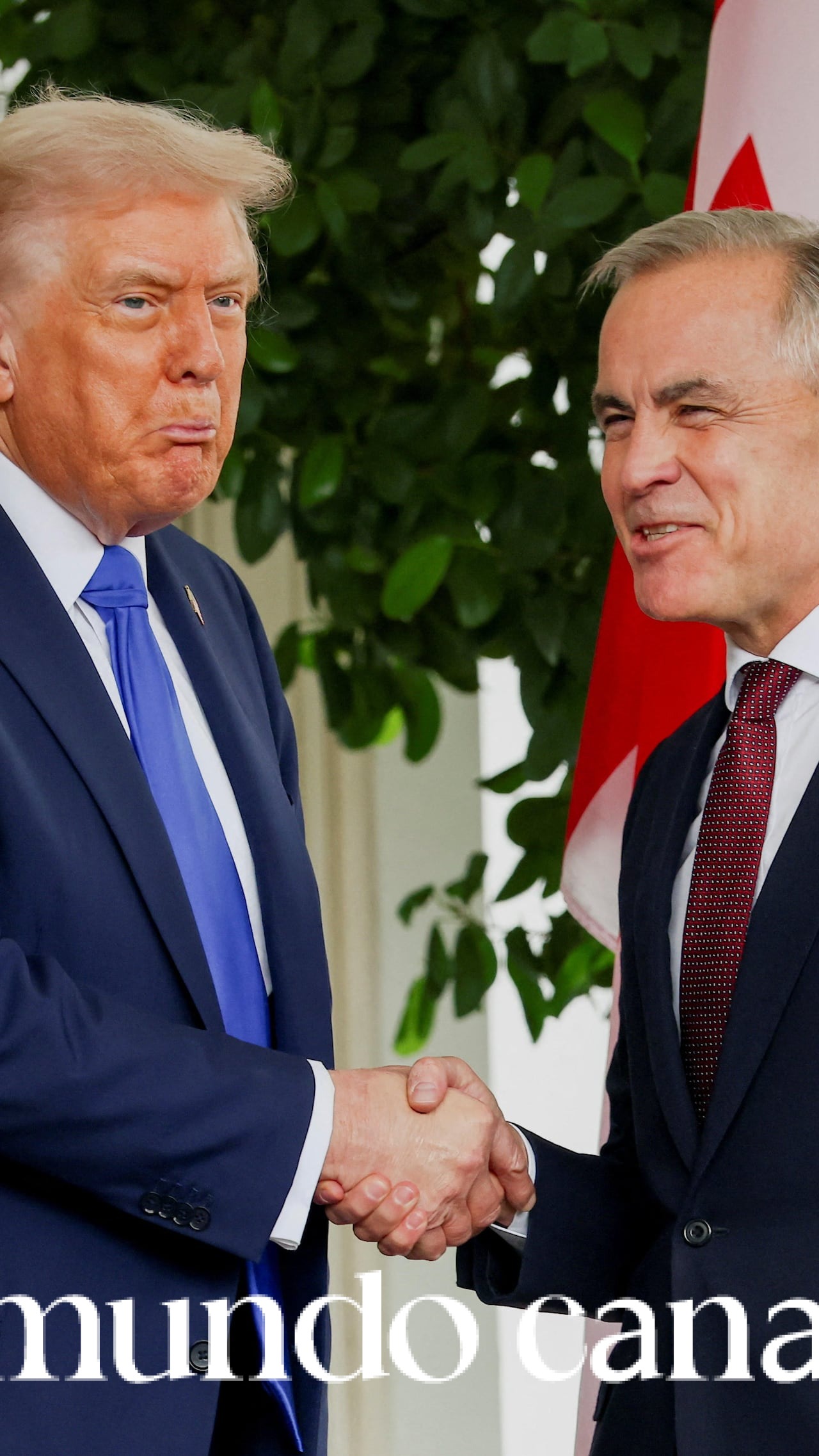
The upcoming CUSMA negotiations in 2026 represent a pivotal moment for trade relations between Canada, the United States, and Mexico. As the mandated review period approaches, businesses, policymakers, and workers across North America are watching closely to see how this trilateral agreement will evolve.
The Canada-United States-Mexico Agreement, which replaced NAFTA in 2020, faces its first major test. With shifting political landscapes, economic pressures, and new priorities emerging in all three nations, the stakes have never been higher for continental trade.
Understanding the CUSMA Review Process
What the Agreement Requires
CUSMA includes a built-in joint review mechanism that requires the three countries to assess the agreement’s effectiveness every six years. This review determines whether the pact continues, gets modified, or faces potential termination.
Unlike previous trade agreements, CUSMA contains a sunset clause that could end the deal after 16 years unless all parties agree to extend it. The 2026 review serves as the first checkpoint in this process.
The review covers multiple sectors, including automotive manufacturing, agricultural trade, digital commerce, and intellectual property protections. Each nation brings different priorities to the negotiating table.
Timeline and Key Dates
Negotiations officially begin in the coming months, with preliminary discussions already underway between trade representatives. The formal review must conclude by July 2026, giving negotiators limited time to address contentious issues.
Trade experts suggest that informal talks have been ongoing for months. All three governments recognize the economic importance of maintaining stable North American trade relations.
Critical Issues on the Negotiating Table
Automotive Sector Rules of Origin
The automotive industry remains one of the most contentious areas in the CUSMA framework. Current rules require that 75% of a vehicle’s content must originate in North America to qualify for tariff-free treatment.
Some stakeholders argue these requirements have increased manufacturing costs. Others contend they’ve successfully brought jobs back to the continent. The 2026 review will likely see intense debate over whether to adjust these thresholds.
Electric vehicle production adds another layer of complexity. Battery components and critical minerals sourcing weren’t major considerations when CUSMA was originally negotiated.
Agricultural Trade Disputes
Agricultural exports continue to generate friction between the three trading partners. Dairy market access remains a persistent issue for American producers seeking greater entry into Canadian markets.
Mexican agricultural exports, particularly seasonal produce, face scrutiny from U.S. farming interests. Labor standards and environmental practices in agricultural production may also feature prominently in negotiations.
Canada’s supply management system for dairy, poultry, and eggs will likely face renewed pressure. Previous negotiations resulted in limited market access concessions that some American dairy producers consider insufficient.
Digital Trade and Technology
The original CUSMA included groundbreaking digital trade provisions that prohibited data localization requirements and protected cross-border data flows. Technology has evolved rapidly since 2020, raising questions about whether these provisions remain adequate.
Artificial intelligence, cybersecurity requirements, and platform regulation weren’t major considerations during initial negotiations. The 2026 review provides an opportunity to modernize these sections.
Privacy regulations differ significantly between the three countries. Harmonizing approaches while respecting national sovereignty presents a significant challenge for negotiators.
Economic Stakes for Each Nation
Canada’s Position
Canada exports approximately 75% of its goods to the United States, making trade stability essential for economic prosperity. Any disruption to CUSMA could significantly impact Canadian manufacturers, farmers, and service providers.
The Canadian government has emphasized its commitment to maintaining strong trade ties while protecting domestic industries. Softwood lumber disputes and energy exports remain ongoing concerns.
Canadian negotiators will likely prioritize protecting cultural industries and maintaining exemptions for media and entertainment sectors.
United States Priorities
American trade officials have signaled interest in strengthening labor and environmental standards enforcement mechanisms. The current administration views these provisions as essential for protecting American workers.
Buy American provisions and supply chain security have gained political importance. Negotiators may push for modifications that encourage domestic production of critical goods.
The U.S. trade deficit with Mexico continues to draw political attention. Some lawmakers advocate for stricter rules to address this imbalance.
Mexico’s Concerns
Mexico has become a crucial manufacturing hub for North American supply chains. The country seeks to maintain its competitive advantages while addressing labor reform requirements.
Recent years have seen increased scrutiny of Mexican labor practices under CUSMA’s rapid response mechanism. Mexico must demonstrate continued progress on workers’ rights to avoid trade penalties.
Energy sector provisions remain controversial. Mexico’s approach to its energy market differs from commitments made during original negotiations.
What Businesses Should Expect
Preparing for Potential Changes
Companies operating across North American borders should monitor negotiations closely and prepare contingency plans. Supply chain adjustments may become necessary depending on negotiation outcomes.
Trade compliance teams should review current practices to ensure alignment with existing requirements. Understanding potential rule changes helps businesses adapt quickly.
Industry associations are actively lobbying all three governments. Businesses should engage with these organizations to ensure their interests are represented.
Opportunities Amid Uncertainty
Despite challenges, the CUSMA review also presents opportunities for modernization. Updated digital trade provisions could benefit technology companies. Streamlined customs procedures could reduce costs for all traders.
New provisions addressing emerging industries like clean energy could create investment opportunities. Forward-thinking businesses are already positioning themselves for potential changes.
Conclusion
The CUSMA negotiations 2026 will shape North American trade for years to come. With billions of dollars in commerce and millions of jobs at stake, the outcome matters enormously for businesses and workers across all three countries.
Stakeholders should stay informed and engaged as negotiations progress. The decisions made in the coming months will determine whether North American economic integration strengthens or faces new obstacles.
