


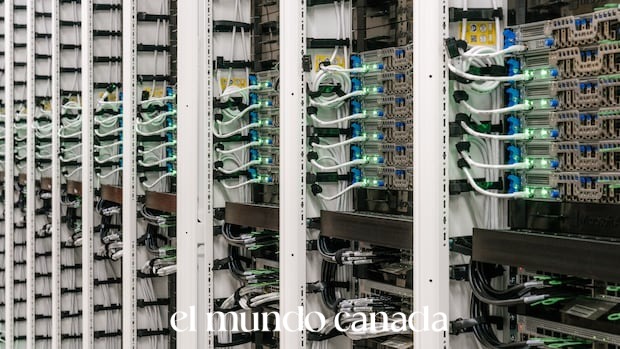
The rapid expansion of data centres across Canada is triggering growing frustration among rural communities and energy experts who question whether the country’s power grid can handle the surge. As artificial intelligence drives unprecedented demand for computing power, small towns are finding themselves at the center of a high-stakes battle over energy resources.
The construction boom shows no signs of slowing. Tech giants and AI companies are racing to secure locations with cheap electricity and cold climates, making Canada an increasingly attractive destination. However, local residents and officials are pushing back, demanding answers about environmental impacts and energy allocation.
Alberta Emerges as a Data Centre Hotspot
Alberta has become ground zero for Canada’s data centre expansion. The province’s deregulated electricity market and abundant natural gas supply have attracted major investments from technology companies seeking to power their AI operations.
In the small town of York, Alberta, residents have watched multiple data centre proposals emerge in recent months. The community, like many rural areas across the country, faces difficult questions about balancing economic development with quality of life concerns.
Local officials express mixed feelings about the influx. While data centres promise jobs and tax revenue, they also consume massive amounts of electricity and water for cooling systems.
Energy Grid Strain Raises Alarm Bells
The electricity demands of modern data centres dwarf those of traditional industrial facilities. A single large-scale AI data centre can consume as much power as a small city, placing enormous pressure on provincial grids.
Energy analysts warn that Canada’s electrical infrastructure was not designed to accommodate this rapid growth. The situation creates a complex policy challenge: how to attract lucrative tech investments while ensuring reliable power for existing homes and businesses.
Alberta’s grid operator has acknowledged the need for significant upgrades to meet projected demand. These infrastructure improvements could take years to complete and cost billions of dollars.
Critics argue that data centre operators should bear more responsibility for grid upgrades rather than passing costs to ratepayers.
Community Concerns Mount Over Environmental Impact
Beyond electricity consumption, data centre environmental concerns extend to water usage, noise pollution, and land use changes. Cooling systems for these massive facilities require substantial water resources, raising sustainability questions in drought-prone regions.
Residents near proposed sites report feeling blindsided by development announcements. Many complain about inadequate public consultation and unclear information about potential impacts on their communities.
“People want to understand what’s coming to their backyard,” one municipal councillor noted in recent public meetings. The sentiment reflects broader frustration with the pace of approvals and perceived lack of transparency.
Noise from backup generators and cooling equipment represents another flashpoint. Data centres operate continuously, and nearby homeowners worry about round-the-clock industrial sounds disrupting rural tranquility.
The AI Boom Accelerates Demand
The explosive growth of artificial intelligence applications has fundamentally changed the data centre landscape. Training large language models and running AI services requires exponentially more computing power than traditional cloud operations.
Major technology companies have announced billions of dollars in Canadian data centre investments over the past two years. This spending reflects global competition to secure the infrastructure needed for AI dominance.
Canada offers several advantages for these facilities. Cold northern climates reduce cooling costs, while relatively stable political conditions and strong intellectual property protections appeal to international investors.
However, the concentration of new facilities in specific regions has created localized pressure points that provincial planners struggle to address.
Regulatory Framework Struggles to Keep Pace
Government officials at multiple levels acknowledge that data centre regulations have not evolved quickly enough to match industry growth. Existing permitting processes were designed for different types of industrial development.
Some provinces have begun updating their approaches. New environmental assessment requirements and community consultation standards aim to address resident concerns while maintaining Canada’s competitiveness for tech investment.
Industry representatives argue that overly burdensome regulations could push companies to build elsewhere, costing Canada jobs and economic opportunities. They emphasize that modern data centres incorporate significant efficiency improvements compared to older facilities.
The debate highlights fundamental tensions between local control and provincial economic priorities. Municipal governments often lack authority to reject projects that meet technical requirements, even when residents object strongly.
Balancing Growth With Community Needs
Finding sustainable solutions requires collaboration among technology companies, government agencies, and affected communities. Some jurisdictions have explored benefit-sharing agreements that direct portions of data centre revenue toward local infrastructure improvements.
Renewable energy partnerships offer another potential path forward. Data centre operators increasingly commit to powering facilities with clean electricity, which could accelerate Canada’s energy transition while addressing environmental concerns.
Transparency remains essential. Communities deserve clear information about proposed projects, including realistic assessments of energy consumption, water use, and potential disruptions.
The coming years will determine whether Canada can capture the economic benefits of the AI revolution while protecting the interests of residents in affected areas. Success requires policy frameworks that acknowledge both opportunities and legitimate concerns.
As the data centre construction boom continues across Canada, stakeholders must work together to ensure growth proceeds responsibly. The frustration building in communities like York, Alberta serves as a warning that ignoring local voices carries real political and social costs.
