


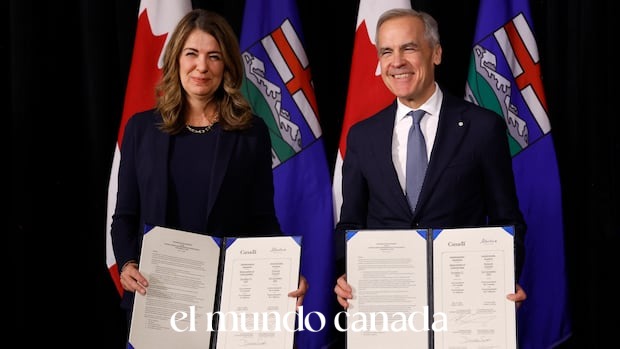
The Alberta government’s ambitious plan to build a new West Coast pipeline faces significant skepticism from financial experts who question whether the proposed timeline is realistic. CIBC analysts have labeled the province’s schedule for completing the infrastructure project a “best-case scenario,” raising concerns about the feasibility of Alberta’s energy export strategy.
As Alberta pushes to diversify its oil export routes amid ongoing trade tensions with the United States, the proposed pipeline represents a major infrastructure undertaking that could reshape Canada’s energy landscape. However, industry observers warn that regulatory hurdles, construction challenges, and financing obstacles could significantly delay the project beyond government projections.
Alberta’s Pipeline Ambitions Face Expert Scrutiny
The Province’s Strategic Vision
Premier Danielle Smith’s government has positioned the West Coast pipeline as a critical component of Alberta’s long-term energy security strategy. The province argues that gaining access to Pacific tidewater would open Canadian oil to Asian markets and reduce dependence on American buyers.
Alberta officials have outlined an aggressive timeline for bringing the pipeline online, viewing the project as essential for the province’s economic future. The initiative comes as Canadian energy producers seek alternatives following years of pipeline capacity constraints and market access challenges.
CIBC’s Assessment Raises Red Flags
Financial analysts at CIBC have conducted a detailed review of Alberta’s pipeline proposal and concluded that the government’s timeline represents an optimistic projection rather than a realistic schedule. Their analysis suggests multiple factors could extend the project’s completion date well beyond official estimates.
The bank’s experts point to historical precedents in Canadian pipeline development, where major projects have consistently faced delays measured in years rather than months. Regulatory approval processes, environmental assessments, and Indigenous consultations typically require substantially more time than initial projections suggest.
Key Challenges Facing the Pipeline Project
Regulatory and Environmental Hurdles
Any new pipeline crossing British Columbia to reach the Pacific coast must navigate one of North America’s most complex regulatory environments. Federal environmental assessments, provincial permits, and municipal approvals create a multi-layered approval process that has historically delayed or derailed similar projects.
The Trans Mountain Pipeline expansion, which recently entered service, required over a decade from initial proposal to completion. That project benefited from using an existing right-of-way for much of its route—an advantage a completely new pipeline would not enjoy.
Environmental groups have already signaled opposition to new fossil fuel infrastructure, promising legal challenges and protests that could further complicate the approval timeline.
Indigenous Rights and Consultations
Modern pipeline development in Canada requires meaningful consultation with affected Indigenous nations, a process that cannot be rushed without risking legal challenges. The duty to consult, enshrined in Canadian law and reinforced by recent court decisions, represents both an ethical obligation and a practical requirement.
Several First Nations along potential pipeline routes have expressed concerns about environmental risks to traditional territories. Building the relationships necessary for project approval demands time, resources, and genuine engagement that cannot be compressed into an aggressive construction schedule.
Financial and Market Considerations
Securing financing for a multi-billion-dollar pipeline project requires demonstrating commercial viability to investors and lenders. Current market conditions, including volatile oil prices and growing investor interest in energy transition, complicate the financial picture for new fossil fuel infrastructure.
CIBC analysts note that potential investors will scrutinize project timelines carefully, recognizing that delays translate directly into cost overruns and reduced returns. The bank’s characterization of Alberta’s schedule as a best-case scenario could influence financing discussions and investor confidence.
Historical Context and Precedents
Lessons from Trans Mountain
The Trans Mountain Pipeline expansion offers valuable lessons for any future West Coast pipeline project. Originally expected to cost approximately $5.4 billion, the project ultimately required over $30 billion to complete—a cost escalation that forced the federal government to purchase and complete the pipeline.
Construction delays, regulatory challenges, and protest activity all contributed to the project’s extended timeline and ballooning costs. These experiences inform expert skepticism about aggressive timelines for similar undertakings.
Northern Gateway and Energy East
Previous pipeline proposals that failed to reach construction provide additional context for understanding the challenges facing Alberta’s plans. The Northern Gateway pipeline, which would have carried Alberta oil to the British Columbia coast, was ultimately rejected after years of regulatory review and Indigenous opposition.
The Energy East pipeline, proposed to carry western Canadian oil to Atlantic refineries, was abandoned by its proponents after regulatory requirements expanded to include upstream greenhouse gas emissions. These precedents demonstrate that pipeline projects can fail entirely, not merely experience delays.
What This Means for Alberta’s Energy Strategy
Implications for Oil Producers
Alberta’s oil producers have long sought tidewater access to capture higher prices in global markets. If the West Coast pipeline faces significant delays, producers may need to explore alternative strategies for market diversification.
The province’s energy sector continues to rely heavily on pipelines to the United States, a dependency that recent trade tensions have highlighted as a strategic vulnerability. Finding solutions to this challenge remains a priority regardless of any single project’s timeline.
Political and Economic Stakes
Premier Smith has staked significant political capital on demonstrating Alberta’s ability to chart an independent course on energy policy. Delays or setbacks in the pipeline project could undermine these efforts and provide ammunition for political opponents.
The provincial government may need to temper public expectations about project timelines while continuing to advance the initiative through necessary approval processes.
Conclusion
CIBC’s characterization of Alberta’s West Coast pipeline timeline as a “best-case scenario” serves as a sobering reminder of the challenges facing major Canadian infrastructure projects. While the province’s ambitions to secure Pacific market access remain strategically sound, achieving those goals will likely require patience, persistence, and realistic expectations about timelines. Stakeholders across the energy sector should monitor developments closely as Alberta navigates the complex path toward potential tidewater access.
