


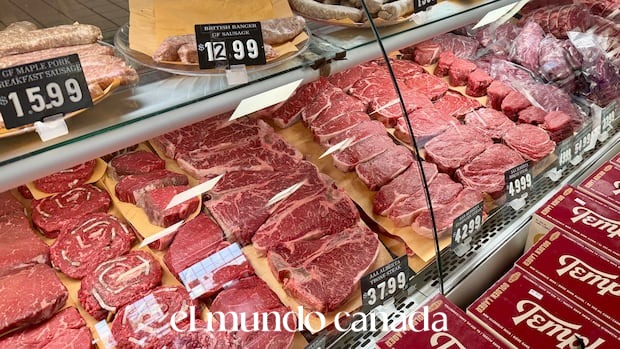
Summer grilling season has arrived, but backyard chefs across North America face a harsh reality at the meat counter. Beef prices in summer 2025 have climbed to historic highs, transforming the humble steak from a weekend staple into a genuine luxury purchase.
For families planning Memorial Day cookouts, Fourth of July celebrations, or casual weekend barbecues, the sticker shock at grocery stores tells a troubling story. The forces driving these increases run deeper than simple supply and demand—they reflect years of drought, shrinking cattle herds, and fundamental shifts in the beef industry.
What’s Driving Record Beef Prices?
The primary culprit behind soaring steak prices sits squarely with cattle supply. North American beef cattle herds have shrunk to their smallest size in decades, creating a supply crunch that ripples through every cut at your local butcher shop.
Ranchers across the United States and Canada have reduced their herds significantly over the past several years. Persistent drought conditions forced many producers to sell off cattle they couldn’t afford to feed. Unlike manufacturing, rebuilding cattle herds takes years—not months.
When you liquidate breeding stock, you can’t just flip a switch and bring them back. The biological reality of cattle production means calves born today won’t reach market weight for nearly two years.
The Drought Factor and Feed Costs
Western rangelands have experienced punishing drought cycles that decimated pasture conditions. Without adequate grass, ranchers face impossible choices: purchase expensive supplemental feed or reduce herd sizes.
Feed costs remain elevated compared to historical averages. Corn, hay, and other cattle feed ingredients have fluctuated wildly, adding uncertainty to already tight profit margins for producers.
Water scarcity compounds these challenges. Cattle require substantial water for drinking and for irrigating the crops that feed them. Prolonged dry conditions across major cattle-producing regions have created a perfect storm of production challenges.
Many smaller ranching operations have exited the business entirely. The economics simply don’t work when input costs rise faster than cattle prices at auction. This consolidation further constrains future supply growth.
How Much More Will Your BBQ Cost?
The numbers paint a stark picture for summer grilling enthusiasts. Premium cuts like ribeye and strip steak have seen price increases of 15-25% compared to previous summers. Ground beef, traditionally the budget-friendly option, hasn’t escaped the trend either.
Here’s what consumers can expect at the meat counter:
- Ribeye steaks: Premium cuts command top dollar, with prices reaching $18-25 per pound at many retailers
- Ground beef: Even 80/20 ground chuck hovers around $6-7 per pound in most markets
- Brisket: This BBQ favorite has become increasingly expensive, challenging backyard pitmasters
- Budget cuts: Chuck roasts and round steaks offer relative value but still cost more than last year
Restaurant prices reflect these wholesale increases too. Steakhouses have adjusted menu prices, and fast-food chains featuring beef have implemented their own price hikes.
Global Market Pressures
Domestic supply constraints don’t tell the complete story. International beef demand continues growing, particularly from Asian markets where rising middle-class populations seek more protein.
American beef exports remain strong, which benefits ranchers but adds competition for domestic supply. When export markets offer premium prices, more product flows overseas rather than to local grocery stores.
Trade policies and tariffs also influence pricing. Import restrictions on beef from certain countries limit options for supplementing domestic supply shortages.
Currency fluctuations play a role as well. A stronger dollar can make American beef more expensive for foreign buyers, potentially redirecting some supply domestically—but recent currency trends haven’t provided significant relief.
Smart Strategies for Budget-Conscious Grillers
Despite elevated meat prices, savvy consumers can still enjoy summer barbecues without breaking the bank. Strategic shopping and cooking techniques help stretch your beef budget further.
Buy in bulk when possible. Warehouse clubs often offer better per-pound pricing on larger quantities. Vacuum-sealing and freezing portions maintains quality while locking in current prices.
Explore alternative cuts. Flank steak, skirt steak, and flat iron steaks offer excellent flavor at lower price points than premium ribeyes. These cuts respond beautifully to marinades and high-heat grilling.
Consider blending proteins. Mixing ground beef with ground pork or turkey stretches your dollar while maintaining juicy, flavorful burgers. Many professional chefs prefer blended patties for their texture and taste.
Shop sales strategically. Grocery stores still run beef promotions, particularly around major holidays. Stock up when prices dip and freeze for later use.
When Will Beef Prices Drop?
Industry analysts don’t expect significant relief anytime soon. Herd rebuilding takes years, and ranchers need sustained favorable conditions—adequate rainfall, manageable feed costs, and profitable cattle prices—before expanding operations.
Some projections suggest prices could stabilize by 2026 or 2027 if weather patterns improve and ranchers begin retaining more heifers for breeding. However, any setback in drought conditions or feed markets could extend the current high-price environment.
Consumer demand also shapes the trajectory. If shoppers reduce beef purchases significantly, prices could moderate. Early data suggests some consumers are trading down to chicken or pork, but beef remains deeply embedded in American food culture.
The Bottom Line for Summer 2025
This grilling season demands adjusted expectations. Beef prices in summer 2025 reflect genuine supply constraints that won’t resolve quickly. Planning ahead, shopping strategically, and exploring alternative cuts can help families maintain their barbecue traditions without devastating their grocery budgets.
