


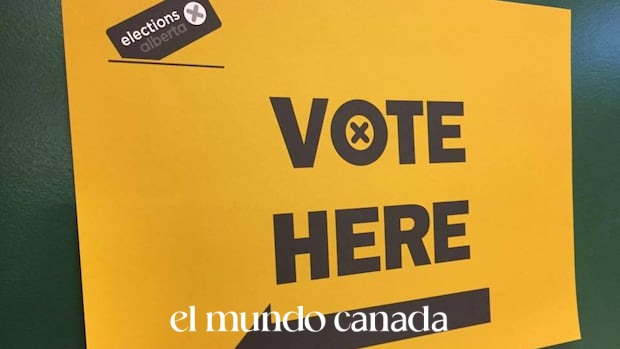
Alberta voters will face an unprecedented stack of 10 colour-coded ballots this fall, with a pivotal question about Alberta separation topping the referendum agenda. The provincial government has confirmed that the independence question will appear first on a distinctive gold ballot, signaling the high stakes of the upcoming October vote.
The Alberta separation referendum 2025 represents one of the most significant political moments in the province’s history. Premier Danielle Smith’s government has structured the multi-question referendum to address several contentious issues, but none carry more weight than the fundamental question of Alberta’s place within Canadian Confederation.
What Voters Will See at the Polls
The Gold Ballot: Alberta’s Future in Canada
The separation question will appear on a gold-coloured ballot, distinguishing it from the nine other referendum questions. This deliberate choice ensures voters immediately recognize the gravity of the independence issue when they receive their ballot stack.
According to provincial officials, the question will ask Albertans whether they wish to pursue separation from Canada. The exact wording remains a subject of intense debate among political observers and constitutional experts.
The remaining nine ballots will feature different colours to help voters navigate the complex voting process. Election officials have emphasized that the colour-coding system aims to reduce confusion and ensure accurate vote counting.
Additional Referendum Questions
Beyond the separation question, Albertans will vote on multiple policy issues spanning healthcare, education, and provincial autonomy. The government has indicated these questions reflect priorities identified through public consultations and caucus discussions.
Each ballot colour corresponds to a specific policy area, allowing election workers to sort and count votes efficiently. This multi-ballot referendum format is unusual in Canadian electoral history and has drawn both praise for its comprehensiveness and criticism for its complexity.
Political Reactions Across the Spectrum
Government Perspective
Premier Danielle Smith has defended the referendum structure, arguing that Albertans deserve direct input on issues affecting their daily lives and provincial identity. Government spokespeople have emphasized that the separation question reflects legitimate concerns about federal-provincial relations.
The United Conservative Party maintains that the referendum provides a democratic avenue for expressing frustration with federal policies, particularly regarding energy sector regulations and equalization payments.
Opposition Concerns
Alberta NDP leaders have criticized the referendum as divisive and potentially damaging to the province’s economic stability. Opposition critics argue that a separation vote creates unnecessary uncertainty for businesses and investors considering Alberta as a destination.
Political analysts note that the referendum’s timing—coinciding with municipal elections in some regions—could affect voter turnout and engagement across all ballot questions.
Constitutional and Legal Implications
Federal Government Response
Ottawa has remained cautious in its public statements regarding the Alberta referendum. Constitutional experts emphasize that any separation process would require extensive negotiations and could not proceed unilaterally.
The Clarity Act, passed following the 1995 Quebec referendum, establishes that the federal government must determine whether any referendum question is sufficiently clear and whether any resulting majority is sufficient to trigger separation negotiations.
Expert Analysis
Constitutional law professors across Canada have weighed in on the referendum’s potential outcomes. Most agree that even a strong yes vote would represent a starting point for discussions rather than an automatic path to independence.
Economic analysts have also raised concerns about the practical implications of separation, including questions about currency, trade relationships, and resource management agreements.
What This Means for Alberta Voters
Preparing for October
Election officials urge Albertans to familiarize themselves with all 10 referendum questions before heading to polling stations. Advance voting options will be available for those who prefer to take their time reviewing each ballot.
The provincial government has committed to public education campaigns explaining each question and the colour-coded ballot system. Voters can expect informational materials in the coming months detailing:
- The exact wording of each question
- Colour assignments for all 10 ballots
- Voting procedures and locations
- Advance polling dates and options
Potential Outcomes
Regardless of the results, the Alberta referendum will likely shape federal-provincial relations for years to come. A strong separation vote could strengthen the province’s negotiating position on key issues, while a decisive rejection might refocus political energy on other priorities.
Political observers suggest the true impact will depend not only on the separation question results but also on voter responses to the additional nine policy questions.
Looking Ahead
The fall referendum represents a defining moment for Alberta’s political landscape. Whether voters embrace or reject the separation question, the process itself demonstrates the province’s willingness to engage directly with fundamental questions about governance and identity.
Albertans should stay informed as additional details emerge about ballot wording, voting procedures, and campaign regulations. The coming months will bring intense debate, but the ultimate decision rests with voters who will face those 10 colour-coded ballots this October.
