


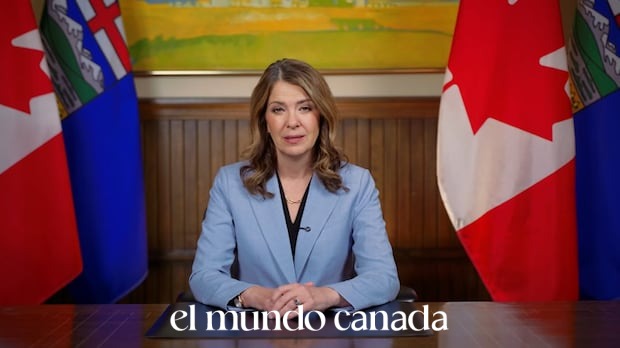
The Alberta separation referendum has thrust the province into one of the most consequential political debates in Canadian history. Premier Danielle Smith’s announcement of a referendum question asking Albertans about potential independence has sparked immediate reactions from political leaders across the spectrum.
As the province grapples with escalating tensions over federal trade policies and tariff disputes, all eyes now turn to how this unprecedented vote will shape Alberta’s future within—or outside—Canadian confederation.
Premier Smith Unveils Referendum Question
Premier Danielle Smith confirmed the wording of the Alberta sovereignty referendum that will ask residents whether the province should pursue independence from Canada. The announcement comes amid growing frustration over federal government policies that many Albertans believe have disadvantaged the energy-rich province.
Smith has positioned the referendum as a response to ongoing trade disputes and what she characterizes as Ottawa’s failure to protect Alberta’s economic interests. The premier argues that Albertans deserve a direct say in their province’s constitutional future.
The referendum question itself has drawn both support and criticism for its framing. Political analysts note that the specific wording could significantly influence voter response and the ultimate outcome.
Opposition Leaders Challenge Referendum Approach
Alberta NDP leader Rachel Notley and other opposition figures have voiced strong concerns about the referendum process and its potential consequences. Opposition leaders argue that the separation question oversimplifies complex constitutional and economic realities.
Critics contend that an Alberta independence vote could create significant uncertainty for businesses, investors, and ordinary Albertans who depend on federal programs and interprovincial trade relationships.
The opposition has called for more detailed information about what separation would actually entail, including:
- Economic transition costs
- Pension and social program implications
- Trade agreement renegotiations
- Currency and monetary policy questions
- Indigenous treaty obligations
Federal Government Response to Alberta Referendum
Ottawa has monitored developments in Alberta closely as western alienation sentiments continue to influence provincial politics. Federal officials have emphasized Canada’s constitutional framework while acknowledging legitimate grievances from western provinces.
The federal government maintains that constructive dialogue remains the preferred path forward. However, the referendum announcement has intensified calls for meaningful reform to address regional economic concerns.
Political observers note that the federal response will likely balance respect for democratic processes with clear messaging about the complexities of separation.
Economic Implications of Alberta Separation
The Alberta independence movement raises profound questions about economic viability and trade relationships. As Canada’s energy heartland, Alberta contributes significantly to national GDP while also benefiting from federal transfer mechanisms and integrated markets.
Business groups have expressed mixed reactions to the referendum. Some energy sector advocates support greater provincial autonomy, while others warn about disruption to established supply chains and investment frameworks.
Key economic considerations include:
- Energy exports: Pipeline access and international trade agreements
- Financial services: Banking relationships and currency stability
- Labor mobility: Workforce movement between provinces
- Federal assets: Division of national infrastructure and resources
Indigenous Communities Weigh In
First Nations and Métis leaders have emphasized that any discussion of Alberta sovereignty must include meaningful consultation with Indigenous peoples. Treaty rights and obligations predate confederation and would require careful consideration in any constitutional change.
Indigenous communities have expressed concern about being marginalized in referendum discussions that could significantly impact their rights and relationships with both provincial and federal governments.
Several Indigenous leaders have called for direct involvement in negotiations, regardless of the referendum outcome.
Public Opinion on Alberta Independence
Recent polling suggests Albertans hold diverse views on the separation referendum question. While frustration with federal policies runs high, support for outright independence remains contested.
Surveys indicate that many Albertans distinguish between seeking greater autonomy within Canada and pursuing full separation. The referendum’s binary framing may not capture this nuance.
Voter turnout and engagement will likely prove crucial in determining whether the result carries sufficient mandate for significant constitutional action.
What Happens After the Vote
Regardless of the outcome, the Alberta referendum will reshape provincial and national politics. A vote favoring separation would trigger unprecedented constitutional negotiations, while even a close result could strengthen Alberta’s bargaining position with Ottawa.
Legal experts note that Canadian constitutional law does not provide a clear mechanism for provincial separation. The 1998 Supreme Court reference on Quebec secession established that unilateral separation would be unconstitutional, but also required good-faith negotiations following a clear referendum result.
The coming weeks will see intensified campaigning from both sides as Albertans prepare to make a historic decision about their province’s future.
Looking Ahead: Alberta’s Political Crossroads
The Alberta separation referendum represents a defining moment for western Canadian politics and national unity. As political leaders articulate their positions and voters weigh complex tradeoffs, the province stands at a genuine crossroads.
Whatever the outcome, this referendum will influence federal-provincial relations for years to come. Albertans interested in understanding all implications should seek information from multiple authoritative sources before casting their ballots.
