


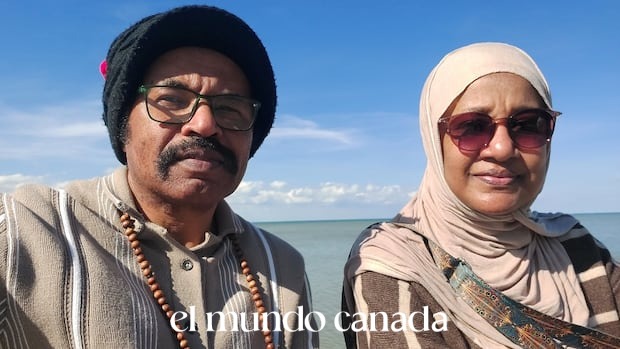
The federal government’s recent decision to slash refugee health benefits is already creating painful consequences for vulnerable newcomers across the country. In Hamilton, Ontario, one refugee says Canada refugee health cuts have left him unable to afford essential dental treatment, forcing him to live with persistent oral pain while navigating an uncertain future.
The changes to the Interim Federal Health Program (IFHP), announced earlier this year, have eliminated dental coverage and vision care for many refugee claimants. For those already struggling to establish themselves in a new country, the cuts represent yet another barrier to basic well-being.
What Changed Under the Interim Federal Health Program
The Interim Federal Health Program has historically provided temporary health coverage to refugees, refugee claimants, and other protected persons who are not yet eligible for provincial health insurance. The program previously covered essential services including emergency dental care, vision care, and prescription medications.
Under the new restrictions implemented by the federal government, dental and vision benefits have been significantly reduced or eliminated for many recipients. Only refugees with the most urgent medical needs now qualify for supplementary coverage beyond basic hospital and physician services.
The policy shift affects thousands of refugee claimants currently residing in Canada. Settlement agencies and healthcare advocates warn that the cuts will disproportionately impact those who arrived with existing health conditions or who develop medical issues while awaiting their asylum hearings.
Hamilton Refugee Shares His Struggle
A Hamilton-area refugee, who arrived in Canada seeking safety and a fresh start, now finds himself caught between immediate health needs and financial reality. The man requires dental work but can no longer access coverage under the modified IFHP rules.
Without insurance or the financial means to pay out-of-pocket, he faces an impossible choice: endure ongoing dental pain or divert limited resources away from other essential needs like food and housing.
His situation illustrates the human cost of policy decisions made in Ottawa. While federal officials frame the cuts as necessary fiscal measures, refugees on the ground experience them as barriers to dignified living.
Settlement workers in Hamilton report that this case is far from isolated. Multiple refugee claimants have approached local agencies seeking help navigating the new healthcare landscape, often expressing confusion about what services remain available to them.
Healthcare Advocates Sound the Alarm
Medical professionals and refugee advocates across Ontario have criticized the federal health benefit reductions as short-sighted and potentially costly in the long run. Untreated dental problems, they argue, can escalate into serious infections requiring emergency room visits—services that remain covered and are far more expensive than preventive care.
The Canadian Dental Association and various refugee support organizations have called on the government to reconsider the cuts. They emphasize that oral health is integral to overall physical health and that denying basic dental care creates downstream medical complications.
Healthcare workers in Hamilton have noted an uptick in refugees presenting with advanced dental issues that could have been addressed earlier with routine care. Emergency departments, already strained by capacity challenges, now see more patients seeking treatment for preventable conditions.
The Broader Impact on Refugee Communities
Beyond individual health outcomes, the cuts to the Interim Federal Health Program send a troubling message to refugee communities about their place in Canadian society. Many claimants already face significant barriers including language difficulties, credential recognition challenges, and social isolation.
Removing healthcare supports compounds these challenges and may hinder refugees’ ability to integrate successfully. Healthy individuals are better positioned to learn English or French, pursue employment, and contribute to their new communities.
Settlement agencies in the Hamilton area have reported increased anxiety among their clients following the announcement. Many refugees fled countries with inadequate healthcare systems and viewed Canada’s universal health approach as a cornerstone of their decision to seek asylum here.
The policy changes have forced organizations to redirect resources toward helping clients understand their reduced benefits and locate alternative care options, including charitable dental clinics with months-long waiting lists.
What Options Remain for Affected Refugees
Refugees impacted by the health coverage cuts have limited alternatives. Community health centers in some cities offer sliding-scale dental services, though capacity constraints mean long waits for non-emergency appointments.
Charitable organizations and dental schools occasionally provide free clinics, but these cannot meet the full demand created by the policy gap. Some refugees have turned to informal networks within their communities to share information about low-cost providers.
Advocates encourage affected individuals to contact local settlement agencies for guidance on available resources. They also urge refugees to document their healthcare needs in case future policy changes restore coverage retroactively.
Provincial governments have not indicated plans to fill the gap left by federal cuts, leaving refugees in a precarious position that varies little from province to province.
Looking Ahead: Calls for Policy Reversal
As stories like that of the Hamilton refugee gain public attention, pressure mounts on federal officials to revisit the IFHP dental coverage decision. Opposition politicians have questioned the wisdom of cuts that may ultimately cost more through emergency care expenditures.
Healthcare advocates continue lobbying for restored benefits, framing the issue as both a humanitarian concern and a matter of fiscal responsibility. The coming months will reveal whether public pressure translates into policy action.
For now, refugees across Canada must navigate a diminished healthcare landscape, making difficult choices about which medical needs they can afford to address—and which they must simply endure.
