


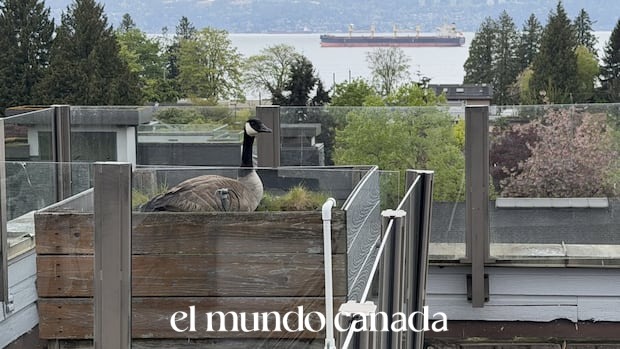
A dramatic goose rescue in Vancouver captured hearts this week as dedicated volunteers carefully retrieved an entire goose family stranded on a downtown rooftop. The operation highlights a growing trend across British Columbia, where calls for urban wildlife assistance continue to surge each spring.
Wildlife rescue organizations report that nesting geese increasingly choose unconventional locations throughout Metro Vancouver, creating challenging situations that require human intervention. This latest rescue demonstrates both the dedication of volunteer networks and the complex relationship between urban development and wildlife habitats.
Rising Demand for Urban Wildlife Rescue Services
Why Geese Choose Rooftops
Canada geese have adapted remarkably well to city environments, but their nesting choices often lead to precarious situations. Flat commercial rooftops offer several appealing features for nesting birds: safety from ground predators, warmth from building heat, and relative quiet away from street-level activity.
However, these elevated nesting sites create serious problems once goslings hatch. Unlike adult geese, young goslings cannot fly and face potentially fatal falls when attempting to follow their parents to ground-level food and water sources.
Wildlife experts explain that mother geese typically select nesting sites before fully considering how their offspring will safely descend. This instinctual behavior, combined with Vancouver’s expanding urban landscape, has dramatically increased rescue calls throughout the region.
Volunteer Networks Step Up
The Vancouver rooftop rescue involved coordination between building management and trained wildlife volunteers who specialize in waterfowl rescue operations. Teams used specialized equipment to safely capture the adult geese and their goslings without causing injury or excessive stress.
Rescue organizations across British Columbia report significant increases in service calls during spring months. The period between April and June represents peak gosling season, when most rescue operations occur.
Volunteers undergo specific training to handle Canada geese safely. Adult birds can become aggressive when protecting their young, requiring rescuers to use proper techniques and protective equipment during operations.
The Rescue Operation Process
Assessment and Planning
Professional wildlife rescuers follow established protocols when responding to stranded goose families. The first step involves assessing the situation from ground level, determining the number of birds involved, and identifying potential hazards.
Building access presents the most common challenge during rooftop rescues. Rescue teams must coordinate with property managers, security personnel, and sometimes emergency services to reach stranded animals safely.
The Vancouver rescue team spent considerable time planning their approach before ascending to the rooftop. This careful preparation ensures both human safety and optimal outcomes for the animals involved.
Safe Capture Techniques
Experienced rescuers use nets and specialized carriers designed for waterfowl transport. The process requires patience, as rushing can cause birds to panic and potentially injure themselves or their young.
Adult geese are captured first when possible, reducing defensive behavior that could complicate gosling retrieval. Once secured, the family is transported together to minimize stress and maintain crucial bonding between parents and offspring.
After rescue, most goose families receive health assessments before release at appropriate wetland habitats. Parks with ponds, lakes, or river access provide ideal relocation sites where families can thrive.
Environmental Factors Driving Increased Rescues
Urban Development and Habitat Loss
Metro Vancouver’s continued growth has reduced natural wetland habitats where geese traditionally nested. As green spaces shrink, wildlife adapts by utilizing urban structures, parking lots, and commercial properties.
This habitat compression concentrates goose populations in smaller areas, increasing both human-wildlife interactions and the likelihood of problematic nesting situations. City planners and wildlife managers continue seeking solutions that balance development with wildlife conservation needs.
Climate Change Considerations
Shifting weather patterns may also influence nesting behaviors and timing. Earlier springs can trigger premature nesting, while unpredictable weather events may drive birds toward sheltered urban locations.
Researchers studying urban wildlife adaptation note that Canada geese demonstrate remarkable flexibility in their habitat choices. This adaptability, while impressive, creates ongoing challenges for rescue organizations operating with limited resources.
How Residents Can Help
Reporting Stranded Wildlife
Vancouver residents who spot stranded goose families should contact local wildlife rescue organizations rather than attempting DIY rescues. Well-meaning interventions can sometimes cause more harm, potentially injuring birds or separating family groups permanently.
Key signs that a goose family needs professional help include:
- Goslings on rooftops or elevated surfaces
- Adult geese showing signs of distress near buildings
- Young birds unable to reach water sources
- Injured or obviously ill waterfowl
Supporting Rescue Organizations
Wildlife rescue operations depend heavily on volunteer labor and community donations. Organizations handling bird rescue calls in Vancouver welcome both financial support and volunteer applications from individuals willing to complete required training programs.
Community members can also advocate for wildlife-friendly building designs and urban planning policies that consider animal habitat needs. Simple modifications to rooftop edges and building features can prevent geese from nesting in dangerous locations.
Looking Ahead: Preparing for Future Seasons
Wildlife rescue organizations anticipate continued high demand for services as urban areas expand and goose populations remain stable. Proactive measures, including public education campaigns and building modifications, may help reduce emergency rescue needs over time.
The successful Vancouver rooftop rescue demonstrates what coordinated volunteer efforts can achieve. As cities grow, the relationship between human communities and urban wildlife will require ongoing attention, resources, and compassion from all stakeholders involved.
Residents interested in supporting local wildlife rescue efforts can contact regional organizations to learn about volunteer opportunities, donation needs, and educational programs designed to promote peaceful coexistence between people and the animals sharing urban spaces.
