


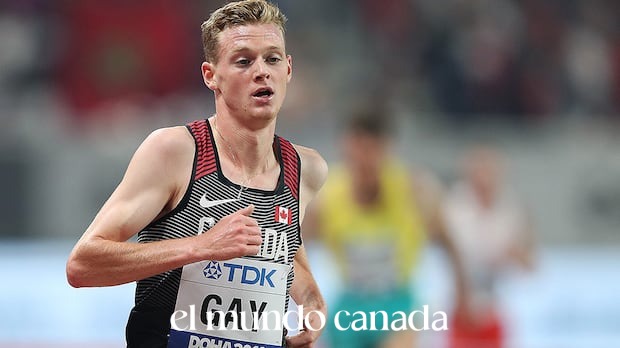
Canadian steeplechase star John Gay will make his highly anticipated marathon debut at the Ottawa Marathon this weekend, marking a remarkable comeback after injuries nearly forced him into early retirement. The 28-year-old Olympian from Vernon, British Columbia, has battled through years of physical setbacks to reach this pivotal moment in his running career.
Gay’s transition from the 3,000-meter steeplechase to the 42.2-kilometer marathon represents both a fresh start and a calculated risk. After representing Canada at the Paris 2024 Olympics, the decorated athlete now sets his sights on qualifying for the 2028 Los Angeles Games—this time in an entirely different event.
From Steeplechase Success to Career Uncertainty
John Gay established himself as one of Canada’s premier middle-distance runners over the past decade. His specialty, the 3,000-meter steeplechase, demands a unique combination of speed, endurance, and technical skill to navigate water jumps and barriers throughout the race.
However, the physical toll of elite competition caught up with the Canadian athlete. A series of debilitating injuries threatened to end his career prematurely, forcing Gay to confront the possibility of walking away from the sport he loves.
“There were definitely moments where I questioned whether I could continue,” Gay acknowledged in recent interviews. The injuries—which affected his ability to train consistently—created both physical and mental obstacles that seemed insurmountable at times.
The Decision to Pursue Marathon Running
Rather than retire, Gay made the bold decision to reinvent himself as a marathon runner. This transition requires significant physiological and mental adaptation, as marathon running demands different training approaches compared to the explosive nature of steeplechase events.
The Ottawa Marathon provides the perfect venue for this new chapter. As one of Canada’s most prestigious road races, it offers Gay the opportunity to test himself against quality competition while running on home soil.
Gay’s coach and support team have spent months preparing him for the grueling 42.2-kilometer distance. The training shift from track-focused workouts to high-mileage weeks represents a fundamental change in his athletic identity.
Training Through Adversity
The road to Gay’s marathon debut has been anything but smooth. Adapting to marathon-specific training while managing lingering injury concerns required careful planning and patience.
Marathon preparation typically involves running 160 to 200 kilometers per week for elite athletes. This volume far exceeds what steeplechase specialists normally accumulate, placing new stresses on the body that must be gradually introduced.
Gay worked closely with medical professionals and coaches to build his endurance base without triggering setbacks. This methodical approach reflects the hard lessons learned from previous injury experiences.
The Vernon native’s steeplechase background does provide certain advantages. His aerobic capacity, developed through years of elite training, offers a strong foundation for marathon running. Additionally, his experience competing at the highest levels—including the Olympics—provides mental fortitude that will prove valuable during the marathon’s challenging final kilometers.
Ottawa Marathon: A Strategic Choice
The Tamarack Ottawa Race Weekend represents one of Canada’s premier running events, attracting elite athletes from around the world. The flat, fast course through the nation’s capital offers favorable conditions for competitive times.
For Gay, choosing Ottawa for his debut marathon carries symbolic significance. Running in Canada provides home-crowd support during an event filled with uncertainty. The late-May timing also allows for favorable weather conditions typically experienced during spring racing season.
The race will serve as more than just a personal milestone. Gay aims to post a qualifying time for future major competitions, potentially including the 2028 Los Angeles Olympics marathon.
Olympic Dreams Renewed
Gay’s ultimate goal extends beyond simply completing his first marathon. The Canadian star has his sights set on representing his country at the 2028 Summer Olympics in Los Angeles.
Qualifying for the Olympic marathon requires meeting strict time standards established by World Athletics. Athletes must demonstrate they can compete at the international level before earning selection to their national teams.
The marathon event at major championships often produces dramatic results, as the extended distance creates opportunities for unexpected performances. Gay’s combination of elite pedigree and fresh motivation could position him as a genuine contender if he successfully transitions to the longer distance.
Canada has produced several notable marathon runners in recent years, and the country’s athletics program continues investing in developing distance talent. Gay’s addition to the marathon ranks strengthens the national pipeline heading toward Los Angeles.
What to Watch for in Ottawa
Sunday’s race will answer several important questions about Gay’s marathon potential. Key factors to monitor include:
- Pacing strategy: First-time marathoners often struggle with proper pacing. Gay’s experience managing effort in championship steeplechase races should help, but the marathon’s unique demands require different tactical approaches.
- Late-race resilience: The marathon’s final 10 kilometers separate contenders from pretenders. How Gay handles the inevitable fatigue and discomfort will reveal much about his long-term marathon prospects.
- Finishing time: While simply completing the race represents an achievement, Gay and his team certainly have time goals in mind. A strong debut would validate the decision to pursue this new direction.
Canadian Distance Running Renaissance
Gay’s marathon debut arrives during an exciting period for Canadian distance running. The country has produced Olympic and World Championship medalists across various disciplines, signaling a growing depth of talent.
Athletes like Rory Linkletter, who has established himself as a top Canadian marathon competitor, demonstrate the pathway Gay hopes to follow. The presence of experienced Canadian marathoners provides both inspiration and practical guidance for newcomers to the event.
The athletics community will watch Gay’s Ottawa performance closely, recognizing that successful transitions from track to road can extend careers and open new competitive opportunities.
Conclusion
John Gay’s marathon debut in Ottawa represents far more than a simple race—it symbolizes resilience, reinvention, and renewed Olympic ambition. After injuries nearly ended his career, the Canadian steeplechase star now embarks on a new chapter that could lead him to the 2028 Los Angeles Olympics.
