


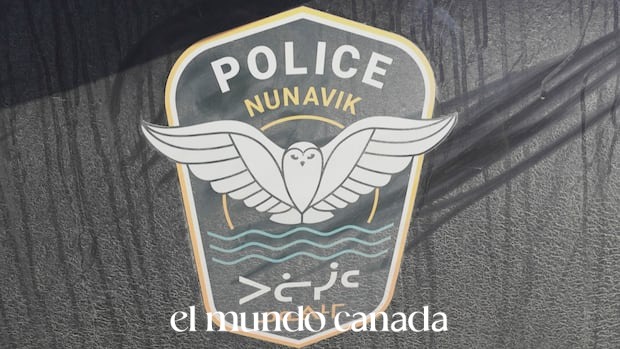
A groundbreaking report on Nunavik Inuit police reform is calling for sweeping changes to transform law enforcement in Quebec’s northern region into a distinctly Indigenous-led system. The comprehensive review recommends significant modifications to hiring laws, training programs, and operational frameworks to better serve Inuit communities.
Released this week, the report emerges from years of community consultations and addresses longstanding concerns about policing in the remote Arctic territory. It represents one of the most ambitious proposals for Indigenous policing reform in Canadian history.
Key Recommendations Target Systemic Changes
The report outlines a vision for a policing model rooted in Inuit culture and values. Central to its recommendations is the creation of a system that reflects the unique needs and traditions of Nunavik’s predominantly Inuit population.
Among the most significant proposals is a call to amend existing hiring legislation. Current laws, the report argues, create barriers that prevent qualified Inuit candidates from joining the police force. These barriers have contributed to chronic understaffing and a disconnect between officers and the communities they serve.
The review also emphasizes the need for culturally appropriate training programs that incorporate Inuit knowledge, language, and conflict resolution practices. Traditional approaches to justice and community harmony should form the foundation of officer education, according to the findings.
Chronic Staffing Shortages Plague Northern Communities
Nunavik Regional Police Force has struggled for years with severe recruitment and retention challenges. The remote territory spans approximately 500,000 square kilometers and encompasses 14 communities accessible only by air or sea.
The staffing crisis has left many communities without adequate police coverage. Officers frequently work extended shifts and face burnout, while some villages experience prolonged periods without local law enforcement presence.
The report identifies several factors contributing to these shortages:
- Restrictive hiring requirements that exclude local candidates
- Inadequate support systems for officers working in isolated areas
- Limited career advancement opportunities
- Housing shortages in northern communities
- Cultural disconnection between non-Inuit officers and residents
Addressing these issues requires a fundamental reimagining of how police services operate in the region, the report concludes.
Community Voices Drive Reform Agenda
The recommendations reflect extensive input from Inuit community members, elders, and regional leaders. Consultation sessions held across Nunavik revealed deep frustrations with the current policing model and strong support for Indigenous-led alternatives.
Many residents expressed a desire for officers who understand Inuit language and cultural practices. Communication barriers have historically complicated police-community relations and sometimes escalated situations that might otherwise be resolved peacefully.
Elders who participated in the consultations emphasized the importance of incorporating traditional justice concepts into modern policing. Restorative approaches that prioritize healing and community reconciliation align more closely with Inuit values than punitive Western models, they argued.
The Makivik Corporation, which represents Inuit interests in Nunavik, has voiced support for the report’s direction. Regional leadership views the recommendations as essential steps toward self-determination in justice services.
Training Overhaul Addresses Cultural Competency
Current police training programs fail to adequately prepare officers for service in Inuit communities, the report finds. It calls for a complete redesign of educational curricula to address this gap.
Proposed changes include:
- Mandatory Inuktitut language instruction for all officers
- Cultural immersion experiences in northern communities
- Training modules on intergenerational trauma and its effects
- Education about Inuit history, including residential school impacts
- Instruction in traditional conflict resolution methods
The report also recommends establishing a northern training facility within Nunavik itself. Currently, recruits must travel south for their education, which creates additional barriers for Inuit candidates with family responsibilities.
Creating local training infrastructure would also allow for more relevant, place-based learning experiences, the review suggests.
Legislative Barriers Require Provincial Action
Implementing the report’s vision will require cooperation from Quebec’s provincial government. Several recommendations necessitate changes to existing legislation governing police services and employment requirements.
The report specifically targets educational prerequisites that have excluded otherwise qualified Inuit candidates. It argues that lived experience and cultural knowledge should carry greater weight in hiring decisions for positions serving northern communities.
Quebec’s Ministry of Public Security will need to review these proposals and determine which changes fall within its authority. Some recommendations may require coordination with federal agencies responsible for Indigenous affairs and northern development.
Previous attempts at police reform in Nunavik have stalled due to jurisdictional complexities and funding disputes. Advocates hope the current report’s comprehensive approach will build sufficient momentum to overcome these obstacles.
Path Forward Requires Sustained Commitment
Transforming Nunavik’s police services into a distinctly Inuit system will not happen overnight. The report acknowledges that meaningful change requires long-term commitment from multiple levels of government and sustained community engagement.
Funding represents a significant challenge. Northern policing already costs substantially more than services in southern regions due to geographic isolation and infrastructure limitations. Implementing the proposed reforms will require additional investment.
However, proponents argue that the current system’s failures carry their own costs—both financial and human. Inadequate policing contributes to public safety concerns, while cultural disconnection erodes trust between officers and communities.
The report calls for the establishment of an implementation committee with strong Inuit representation to oversee reforms and ensure accountability.
The Nunavik police report presents a comprehensive roadmap for creating an Indigenous-led law enforcement model that serves Inuit communities effectively. By addressing hiring barriers, transforming training programs, and centering Inuit culture in policing operations, the recommendations offer hope for meaningful change in the region. Stakeholders across government and community organizations must now decide whether they will commit the resources and political will necessary to realize this vision.
