


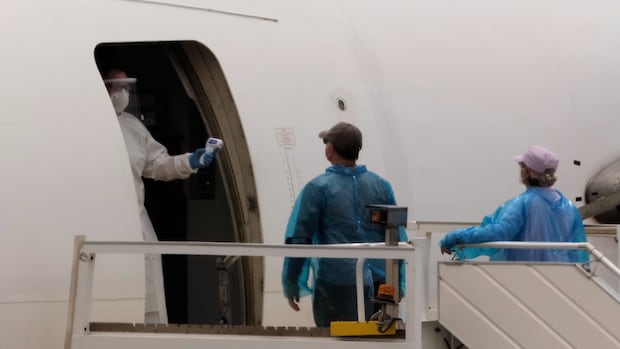
Ontario health officials have expanded their surveillance efforts as the province monitors seven additional individuals considered low-risk contacts in connection with the ongoing Ontario hantavirus outbreak. This development comes as public health agencies work to contain what has become a rare but serious health concern in the region.
The province confirmed the expanded monitoring following the identification of hantavirus cases that have prompted heightened vigilance among health authorities. While officials emphasize that the risk to the general public remains low, the situation underscores the importance of awareness about this potentially deadly rodent-borne illness.
What Is Hantavirus and Why Is Ontario Concerned?
Hantavirus refers to a group of viruses primarily spread through contact with infected rodents, particularly deer mice. Humans typically contract the virus by breathing in air contaminated with rodent urine, droppings, or saliva. Direct contact with these materials or bites from infected rodents can also transmit the disease.
The virus can cause hantavirus pulmonary syndrome (HPS), a severe respiratory illness with a mortality rate of approximately 38 percent, according to the Centers for Disease Control and Prevention. Early symptoms often mimic the flu, including fever, fatigue, and muscle aches, making initial diagnosis challenging.
Ontario rarely sees hantavirus cases, which makes the current situation particularly noteworthy for public health officials. The province’s decision to monitor additional contacts demonstrates a proactive approach to preventing potential spread.
Details of the Current Monitoring Effort
Provincial health authorities have identified seven individuals who had potential exposure to hantavirus through contact with confirmed or suspected cases. Officials have classified these contacts as low risk, indicating that their exposure level does not suggest imminent danger.
The monitoring protocol includes regular health check-ins, symptom surveillance, and guidance on warning signs that would require immediate medical attention. Health officials have not disclosed specific details about how these individuals came into contact with the virus, citing privacy concerns.
Public health teams continue to investigate the source of exposure and assess whether additional contacts require monitoring. This contact tracing effort represents standard procedure for communicable disease management.
Symptoms and Warning Signs to Watch
Understanding hantavirus symptoms proves crucial for early detection and treatment. The illness typically progresses through two phases, with early recognition potentially improving outcomes.
Early Symptoms (1-5 Weeks After Exposure)
- Fever and chills
- Severe muscle aches, especially in large muscle groups
- Headaches and dizziness
- Nausea, vomiting, or abdominal pain
- Fatigue and general malaise
Late Symptoms (Progression to HPS)
- Difficulty breathing and shortness of breath
- Coughing
- Fluid accumulation in the lungs
- Low blood pressure
- Rapid heartbeat
Anyone experiencing these symptoms after potential rodent exposure should seek immediate medical attention. Early intervention significantly improves survival rates for hantavirus pulmonary syndrome patients.
How to Protect Yourself From Hantavirus
Prevention remains the most effective strategy against hantavirus infection. Ontario residents, particularly those in rural areas or properties with rodent activity, should implement comprehensive rodent control measures.
Rodent-Proofing Your Home
Seal all gaps and holes larger than a quarter-inch in your home’s foundation, walls, and around pipes. Store food in rodent-proof containers and eliminate potential nesting sites by clearing clutter from storage areas.
Safe Cleaning Practices
When cleaning areas with rodent droppings, never sweep or vacuum the materials, as this can release viral particles into the air. Instead, ventilate the space for at least 30 minutes, then spray affected areas with a bleach solution (one part bleach to ten parts water) before wiping with paper towels.
Wear rubber gloves during cleanup and dispose of contaminated materials in sealed plastic bags. Wash hands thoroughly after removing gloves.
Outdoor Precautions
Campers, hikers, and outdoor workers face elevated exposure risk. Avoid sleeping on bare ground in areas with rodent activity, and store food in sealed containers away from sleeping areas. Inspect cabins or shelters for rodent signs before use.
Public Health Response and Expert Guidance
Ontario’s public health infrastructure has mobilized resources to address the hantavirus situation. Local health units coordinate with provincial authorities to ensure consistent messaging and appropriate response protocols.
Health officials stress that person-to-person transmission of North American hantavirus strains does not occur, which limits outbreak potential. The monitoring of contacts focuses on shared environmental exposures rather than concerns about interpersonal spread.
Experts recommend that anyone who has recently cleaned rodent-infested areas, handled rodents, or worked in environments with significant rodent populations remain vigilant about potential symptoms. The incubation period can extend up to six weeks, meaning symptoms may appear well after the initial exposure.
What This Means for Ontario Residents
The current hantavirus monitoring situation serves as an important reminder about environmental health risks rather than a cause for widespread alarm. The virus remains rare in Ontario, and the identified contacts represent a contained surveillance effort rather than evidence of community spread.
Residents should use this moment to assess their own rodent exposure risks and implement appropriate preventive measures. Those living in rural areas, working in agriculture, or maintaining properties with outbuildings face statistically higher exposure chances.
Healthcare providers across Ontario have received updated guidance on hantavirus recognition and reporting requirements. This enhanced clinical awareness supports rapid identification of any future cases.
Ontario’s monitoring of seven additional low-risk hantavirus contacts demonstrates the province’s commitment to proactive public health surveillance. While the situation warrants attention, health officials maintain that risk to the general population remains minimal. Residents can protect themselves by implementing rodent control measures, practicing safe cleanup procedures, and remaining aware of hantavirus symptoms. Anyone with concerns about potential exposure should contact their local public health unit.
