


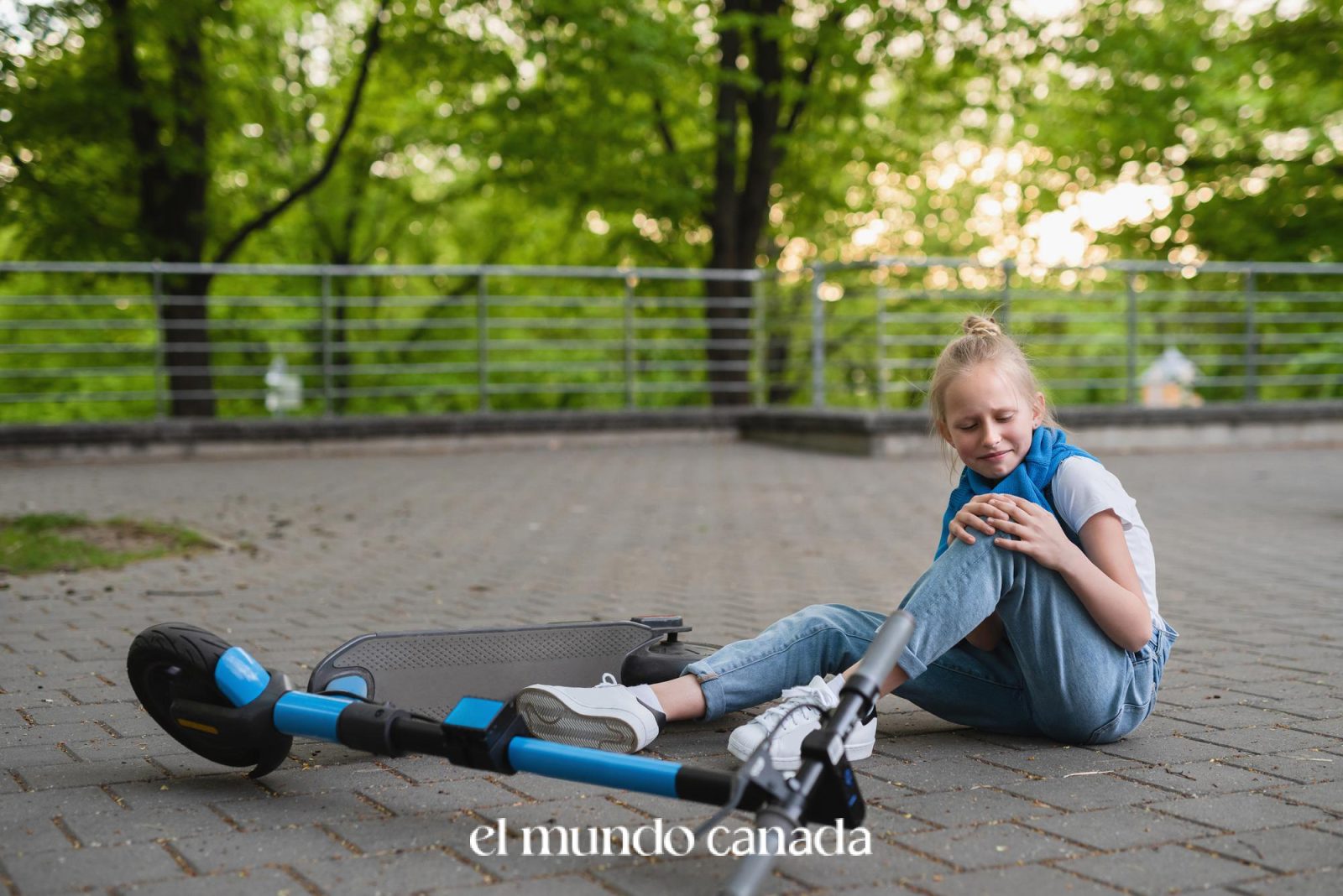
A teenager has suffered life-threatening injuries after an SUV collided with an e-scooter on Waverley Street in Winnipeg, Manitoba. The serious teen e-scooter crash has renewed concerns about road safety involving micromobility vehicles across Canadian cities, particularly as these devices become increasingly popular among younger riders.
The collision occurred on one of Winnipeg’s busier thoroughfares, where traffic volume and vehicle speeds can pose significant risks for those using smaller transportation devices. Emergency responders arrived at the scene to provide immediate medical attention to the injured teen, who was subsequently transported to a local hospital for treatment of their severe injuries.
E-Scooter Safety Concerns Grow Across Canada
The teen e-scooter crash in Winnipeg highlights the growing safety concerns surrounding electric scooters and other micromobility devices. As e-scooters have become more accessible in Canadian cities, incidents involving these vehicles and larger motor vehicles have increased. Road safety advocates have repeatedly called for better infrastructure and clearer regulations to protect riders.
Manitoba and other Canadian provinces have been working to establish comprehensive guidelines for e-scooter use. These regulations typically address age requirements, helmet mandates, speed limits, and where these devices can legally operate. However, enforcement remains a challenge in many jurisdictions.
The Latin community in Canada, like many others, has embraced e-scooters as an affordable and convenient transportation option. For newcomers and families navigating urban environments, understanding local traffic laws and safety practices is essential for preventing similar tragic incidents.
Waverley Street Incident Under Investigation
The specific circumstances leading to the collision on Waverley Street remain under investigation by local authorities. Waverley Street is a major north-south arterial road in Winnipeg that experiences significant traffic throughout the day. The street connects several residential neighborhoods and commercial areas, making it a common route for both vehicles and pedestrians.
Police investigators are working to determine factors such as vehicle speed, visibility conditions, and whether either party may have violated traffic regulations. Such investigations are critical for understanding how similar accidents can be prevented in the future.
The teen’s current condition remains serious, with medical professionals providing ongoing care for the life-threatening injuries sustained in the crash. The community has expressed concern and support for the young victim and their family during this difficult time.
Understanding Micromobility Regulations in Canada
For residents and newcomers using e-scooters in Canada, understanding local regulations is crucial. Rules vary significantly between provinces and even municipalities. In Manitoba, e-scooters are subject to specific requirements that riders must follow to operate legally and safely on public roads and pathways.
Key safety practices for e-scooter riders include always wearing a helmet, using designated bike lanes where available, avoiding high-traffic areas during peak hours, and ensuring the device has proper lights and reflectors for visibility. Riders should also be aware that sidewalk riding is often prohibited in many Canadian cities.
This incident comes as Canadian health systems grapple with various public health challenges. Similar to how gambling disorder cases have surged in Ontario emergency rooms, hospitals across the country are seeing increased cases related to micromobility accidents, placing additional strain on healthcare resources.
Essential Road Safety Tips for E-Scooter Users
Road safety experts recommend several measures for anyone using e-scooters or similar devices in urban environments. These recommendations are particularly important for teenagers and young adults who represent a significant portion of e-scooter users.
Visibility is paramount when sharing roads with larger vehicles. Riders should wear bright or reflective clothing, especially during dawn, dusk, or nighttime hours. Making eye contact with drivers at intersections helps ensure they are seen before crossing or turning.
Defensive riding techniques can also reduce risk. E-scooter users should assume that drivers may not see them and should always be prepared to stop or take evasive action. Maintaining a safe distance from parked cars helps avoid collisions with suddenly opened doors.
Read more: Ed Sheeran Tour: Artists Quit Over Palestine
Parents of teenage riders should have conversations about road safety and ensure their children understand the risks associated with e-scooter use. Supervised practice in low-traffic areas can help young riders develop necessary skills before venturing onto busier streets.
Community Response and Prevention Efforts
The Winnipeg community has responded to this tragic incident with calls for improved infrastructure to protect vulnerable road users. Advocates are pushing for more protected bike lanes, better street lighting, and traffic calming measures on busy arterial roads like Waverley Street.
Municipal officials in cities across Canada are increasingly recognizing the need to adapt urban infrastructure for the growing presence of micromobility devices. Protected lanes that separate e-scooters and bicycles from motor vehicle traffic have proven effective in reducing collision rates in cities that have implemented them.
The Latin community in Winnipeg and across Canada can play an active role in advocating for safer streets. Participating in public consultations, attending city council meetings, and supporting local advocacy groups are effective ways to push for meaningful infrastructure improvements.
Educational initiatives targeting young riders and their families can also help reduce accidents. Schools, community centers, and newcomer organizations can partner with road safety organizations to provide workshops and training sessions on safe e-scooter use.
As the investigation into this Waverley Street collision continues, Winnipeg Police are expected to release additional details in the coming weeks. Updates on the teen’s condition will be closely monitored by the community, with many hoping for a full recovery from the life-threatening injuries.
Are e-scooters legal on Winnipeg streets?
E-scooters are permitted in Winnipeg under specific provincial and municipal regulations. Riders must follow designated rules regarding where they can operate, speed limits, and safety equipment requirements.
What safety equipment is required for e-scooter riders in Canada?
Requirements vary by province, but helmets are generally recommended or mandated, especially for younger riders. Lights and reflectors are typically required for nighttime riding.
What should I do if I witness an e-scooter accident?
Call 911 immediately to request emergency medical services. Do not move the injured person unless they are in immediate danger. Provide first aid if you are trained and stay with the victim until help arrives.
How can parents help keep teenage e-scooter riders safe?
Parents should ensure their teens wear helmets, understand local traffic laws, practice in safe areas first, and avoid riding during high-traffic periods. Open communication about road safety is essential.
📘 Follow El Mundo Canada on our social networks: Facebook | Twitter | Instagram
The Winnipeg Police Service investigation into this teen e-scooter crash is expected to conclude within the coming weeks, with findings that may inform future safety policies for micromobility users across Manitoba. Community members are encouraged to attend the City of Winnipeg’s next public works committee meeting scheduled for October 2026 to voice concerns about road safety infrastructure improvements.
