


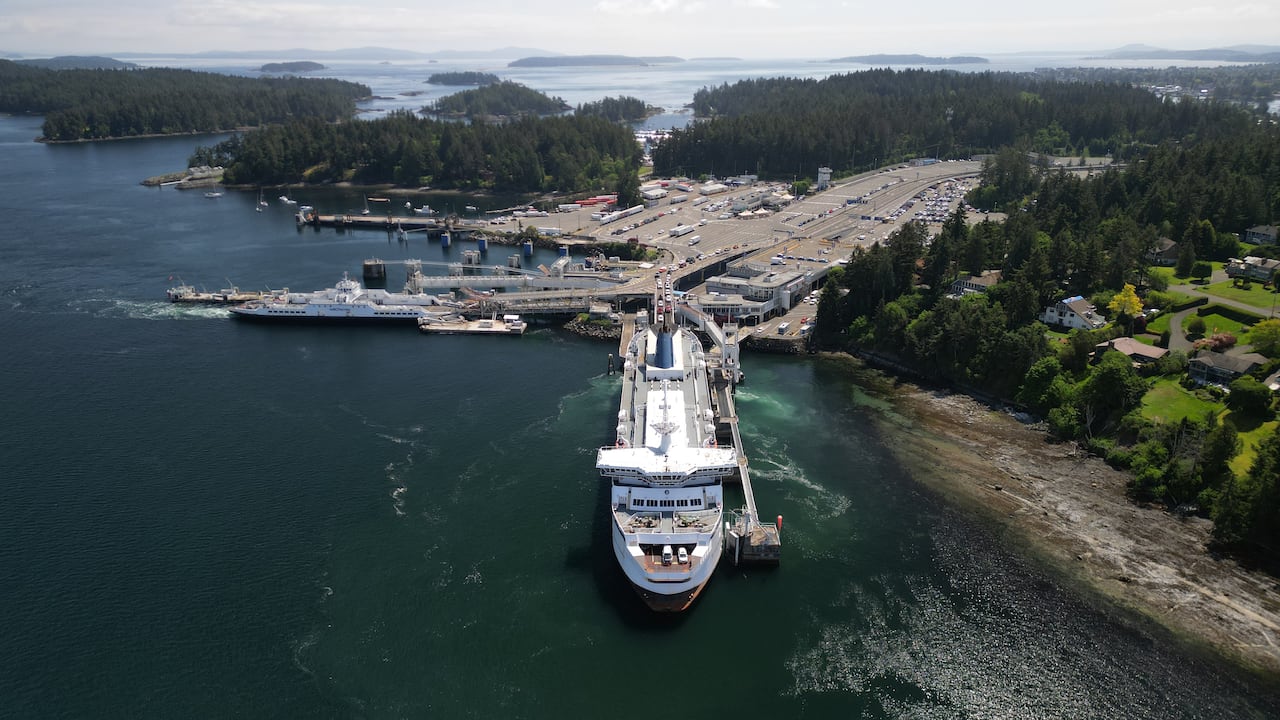
When your ferry gets cancelled for weather, frustration often sets in before understanding does. Thousands of passengers across coastal regions experience this disruption annually, left wondering why their vessel remains docked while the skies appear calm. The decision-making process behind weather-related ferry cancellations involves far more complexity than most travelers realize.
Behind every cancellation sits a team of marine professionals weighing multiple atmospheric and oceanic factors that passengers simply cannot observe from the terminal. Understanding this process can transform frustration into appreciation for the safety-first protocols that protect lives at sea.
The Science Behind Ferry Weather Decisions
Wind Speed and Wave Height Calculations
Ferry operators don’t cancel services based on a single weather metric. Marine traffic controllers analyze a combination of wind speed, wave height, swell period, and visibility conditions before making any operational decisions.
Most passenger ferries have specific operational limits built into their certification. A vessel rated for moderate sea conditions might safely operate in winds up to 35 knots, but combined with a particular wave direction, even 25-knot winds could make the crossing dangerous.
Wave height alone tells only part of the story. A two-meter swell with a long period between waves creates vastly different conditions than the same height with rapid, choppy intervals. Experienced captains and dispatchers understand these nuances intimately.
The Role of Marine Weather Forecasting
Modern ferry operations rely heavily on marine weather forecasting systems that predict conditions hours and sometimes days in advance. These forecasts come from national meteorological services and specialized maritime weather providers.
Operators typically review forecasts at multiple decision points throughout the day. A morning sailing might get cancelled the night before if predictions show deteriorating conditions, or the decision might come just hours before departure as forecasters refine their models.
The challenge lies in forecast uncertainty. Weather systems can shift, intensify, or dissipate faster than models predict. This uncertainty forces operators to build safety margins into their decisions.
Who Makes the Final Call?
The Captain’s Authority
Despite corporate policies and dispatcher recommendations, the ship’s captain holds ultimate authority over whether a vessel sails. This maritime tradition exists for critical safety reasons—the captain bears legal and ethical responsibility for everyone aboard.
Captains assess conditions that data alone cannot capture. Their experience crossing specific routes gives them insight into how particular wind directions affect certain channels, where currents create confused seas, and which conditions their specific vessel handles poorly.
This authority means two identical ferries on the same route might make different decisions. One captain’s assessment of marginal conditions could differ from another’s, and both decisions deserve respect.
Coordination with Marine Traffic Services
Ferry cancellations rarely happen in isolation. Operators coordinate with vessel traffic services, coast guard authorities, and port officials before suspending services. This coordination ensures consistent messaging and helps manage the logistical cascade that follows any cancellation.
When major weather events approach, transportation authorities often issue regional advisories that influence multiple operators simultaneously. Passengers might notice several ferry routes suspending service around the same time—this coordination reflects shared weather intelligence rather than coincidence.
What Passengers Don’t See
Terminal Weather vs. Open Water Conditions
The most common passenger complaint involves the apparent disconnect between terminal conditions and cancellation decisions. Standing in a calm harbor, watching gentle waves lap against the dock, it seems impossible that dangerous weather exists anywhere nearby.
This perception gap exists because harbors provide shelter that open water does not. The crossing route might traverse exposed channels where wind accelerates between landmasses, or pass through areas where opposing currents create standing waves during certain tidal conditions.
Ferry routes often cross some of the most challenging marine geography in their regions. What appears as a short distance on a map might include multiple distinct weather zones, each requiring separate assessment.
Passenger Safety During Crossings
Even when conditions allow departure, deteriorating weather during a crossing creates serious risks. Rough seas cause injuries when passengers move about the cabin. Vessels pitching in heavy swells have injured dozens of passengers in single incidents.
Operators must consider not just whether they can complete a crossing, but whether they can do so without putting passengers at risk of seasickness, falls, or worse. A crossing that experienced mariners find merely uncomfortable might prove genuinely dangerous for elderly passengers, children, or those with mobility challenges.
Planning Around Weather Disruptions
Checking Conditions Before Travel
Savvy ferry travelers monitor marine forecasts independently before heading to the terminal. Several smartphone applications and websites provide wave height predictions and wind forecasts specific to marine areas.
Building flexibility into coastal travel plans reduces the stress of cancellations. When possible, avoid scheduling tight connections immediately after ferry crossings during seasons known for unsettled weather.
Understanding Refund and Rebooking Policies
Most ferry operators maintain clear policies for weather-related cancellations. Passengers typically receive full refunds or rebooking options at no additional cost when weather forces service suspensions.
Documenting your booking and staying alert to operator communications helps smooth the rebooking process. Many operators now provide real-time updates through mobile apps and text notifications.
The next time your ferry gets cancelled for weather, consider the invisible complexity behind that decision. Teams of professionals analyzing multiple data streams, captains exercising judgment honed over countless crossings, and safety protocols developed through hard experience all contribute to keeping passengers safe. While the inconvenience feels real, these cancellations represent maritime safety culture working exactly as intended. Check forecasts early, build flexibility into your plans, and trust that the professionals prioritizing your safety know something the calm harbor doesn’t reveal.
