


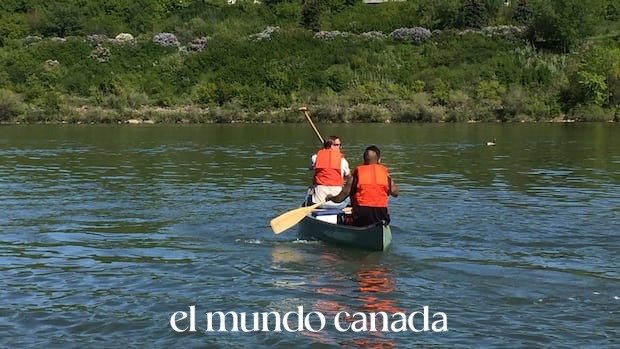
After months of unusually low water conditions, Saskatoon residents should prepare for a significant change. South Saskatchewan River water levels are expected to surge in the coming weeks as Alberta’s substantial mountain snowpack begins its annual melt, transforming the landscape that locals have grown accustomed to this spring.
The shift marks a dramatic departure from the exposed riverbanks and sandbars that have characterized the waterway in recent months. City officials and water management authorities are now closely monitoring upstream conditions to anticipate the incoming flow.
Why Saskatoon’s River Has Been Running Low
The South Saskatchewan River has displayed remarkably low water levels throughout the early part of 2026. Residents walking along the Meewasin Trail have noticed exposed riverbed areas that typically remain submerged, creating an unusual visual landscape through the city’s core.
Several factors contributed to these conditions. Reduced precipitation in the river’s watershed, combined with controlled releases from upstream reservoirs, kept flows well below seasonal averages. The Gardiner Dam and Lake Diefenbaker play crucial roles in regulating water movement through the system.
Local fishing enthusiasts and recreational boaters adjusted their activities accordingly, with some areas becoming inaccessible due to shallow depths. The low water also exposed historical artifacts and geological features normally hidden beneath the surface.
Alberta’s Mountain Snowpack Changes Everything
The situation is about to reverse dramatically. Alberta’s Rocky Mountain snowpack—the primary source feeding the South Saskatchewan River system—accumulated significantly during the winter months. As temperatures rise across the mountain regions, this frozen reservoir transforms into flowing water.
Snowmelt from the eastern slopes of the Rockies feeds into the Bow and Oldman rivers, which combine to form the South Saskatchewan River near Medicine Hat. This annual hydrological cycle drives the river’s flow patterns hundreds of kilometers downstream to Saskatoon and beyond.
Water management officials at the Water Security Agency track these conditions closely, using data from multiple monitoring stations throughout Alberta and Saskatchewan. Their forecasting models help communities prepare for changing conditions.
What Rising Water Means for Saskatoon
The incoming surge will restore the river to more typical summer levels, but the transition requires careful management. Higher flows affect several aspects of city infrastructure and recreational use:
Municipal water intake operations will adjust to handle increased sediment loads common during peak flow periods. The city’s water treatment facilities are designed to accommodate these seasonal variations, ensuring drinking water quality remains unaffected.
Riverbank stability becomes a consideration as faster-moving water exerts more force on shoreline areas. Property owners along the river should monitor their land for any signs of erosion or undercutting.
Recreational opportunities will expand once water levels stabilize at higher volumes. Kayakers, canoeists, and paddleboarders will find improved conditions for their activities, though they should exercise caution during the transition period when currents may be unpredictable.
Understanding the Broader Water Management System
The South Saskatchewan River doesn’t flow freely from mountains to city. Instead, it passes through one of Canada’s most significant water management systems. Lake Diefenbaker, created by the Gardiner Dam, stores massive quantities of water and releases it according to multiple competing demands.
Agricultural irrigation, hydroelectric power generation, municipal water supplies, and environmental flows all factor into release decisions. The Saskatchewan Water Security Agency balances these needs while also preparing for incoming snowmelt volumes.
During high-flow periods, operators may increase releases from Lake Diefenbaker to create storage capacity for incoming water. This coordinated approach prevents uncontrolled flooding while maximizing the system’s benefits.
Historical Context and Climate Considerations
Long-term residents remember years when spring flooding caused significant damage along the river corridor. While current infrastructure and management practices reduce these risks, the river retains its power to surprise.
Climate scientists note that precipitation and temperature patterns are shifting across the prairie provinces. These changes affect both winter snowpack accumulation and the timing of spring melt. Some years bring earlier, more gradual melts, while others produce rapid, intense runoff events.
The variability makes long-range planning challenging for water managers and communities alike. Investment in monitoring technology and forecasting capabilities helps authorities provide better advance warning of changing conditions.
Preparing for the Seasonal Transition
Saskatoon residents can take several practical steps as river levels rise:
- Stay informed by following updates from the Water Security Agency and City of Saskatoon. Official channels provide the most accurate, timely information about current and expected conditions.
- Respect warning signs and barriers placed along the riverbank. Rising water can make previously accessible areas dangerous, particularly for children and pets.
- Secure waterfront property by removing or anchoring items that could wash away in higher flows. Boats, docks, and outdoor furniture should be evaluated for their vulnerability.
- Report concerns about erosion, flooding, or infrastructure damage to appropriate city departments. Early reporting helps officials respond quickly to emerging problems.
Looking Ahead to Summer Conditions
Once the snowmelt pulse passes through the system, the South Saskatchewan River should settle into more stable summer flows. Water managers will continue balancing storage, release, and downstream needs throughout the warmer months.
The annual cycle connecting Alberta’s mountain snow to Saskatchewan’s prairie river demonstrates the interconnected nature of western Canadian water systems. Understanding this relationship helps communities adapt to both the challenges and opportunities each season brings.
Saskatoon’s relationship with its river continues evolving as climate patterns shift and water management practices advance. Staying engaged with local water issues ensures residents remain prepared for whatever conditions emerge.
