


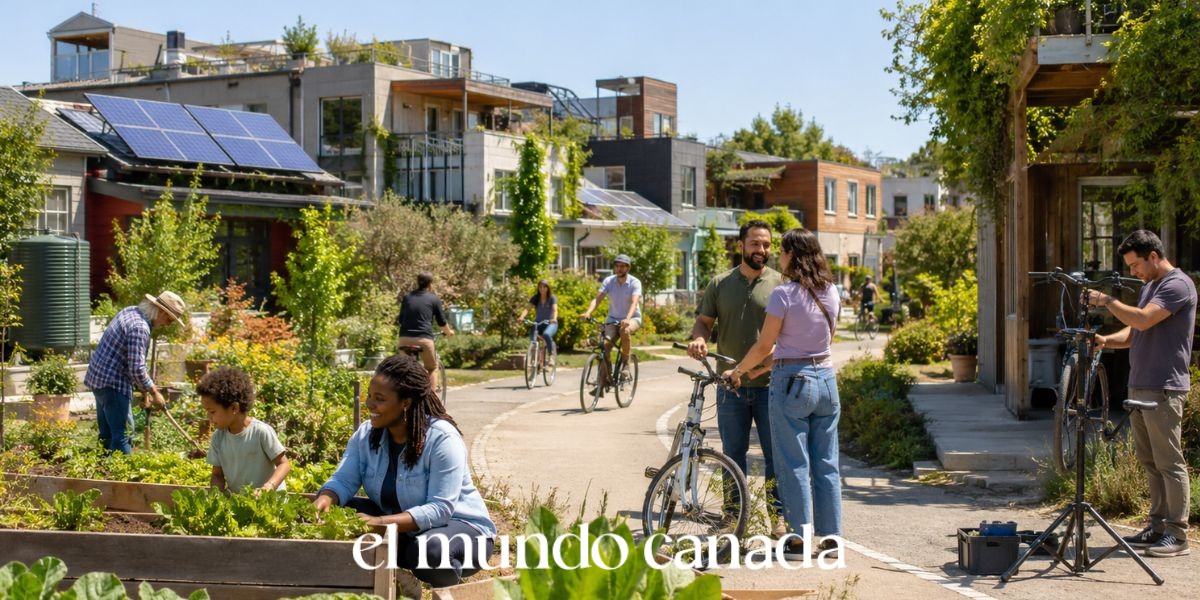
For decades, climate change narratives have wallowed in doom. From flooded cities to scorched wastelands, dystopian stories dominated how we imagined our environmental future. Now, a growing movement of writers and activists argues that thrutopia climate fiction offers a more powerful path forward—one that shows humanity not just surviving catastrophe, but actively building something better.
The term thrutopia represents a deliberate departure from both utopian fantasies and dystopian nightmares. Instead of presenting perfect worlds or hopeless futures, this emerging genre focuses on realistic transitions—the messy, complicated, but achievable journey from our current crisis toward sustainable societies.
What Is Thrutopia and Why Does It Matter?
Defining a New Literary Movement
Thrutopia combines “through” with “utopia,” emphasizing the process of transformation rather than an idealized endpoint. British writer Manda Scott coined the term to describe stories that acknowledge climate reality while demonstrating viable pathways to address it.
Unlike traditional climate fiction—often called cli-fi—thrutopia refuses to paralyze readers with fear. It also rejects naive optimism that ignores genuine challenges. The genre occupies a middle ground where characters face real obstacles and discover workable solutions.
Advocates of the movement argue that we need stories showing how to get from here to there. This narrative approach recognizes that humans learn through storytelling, and the stories we tell shape the futures we create.
The Problem With Dystopia
Dystopian climate narratives served an important purpose. They raised awareness and communicated urgency about environmental destruction. Films, novels, and television series depicting climate catastrophe helped shift public consciousness about the severity of the crisis.
However, research suggests that constant exposure to apocalyptic messaging produces diminishing returns. Psychologists studying climate anxiety have found that doom-focused narratives can trigger feelings of helplessness rather than motivating action. When every story ends in collapse, audiences may conclude that efforts to prevent disaster are futile.
Thrutopia proponents argue that narrative imagination has atrophied. We can easily picture civilizational collapse, but struggle to envision functional, sustainable communities. This imaginative deficit limits our collective ability to build the future we need.
How Thrutopia Stories Work
Characters Navigating Transition
Effective thrutopia fiction places characters in recognizable situations facing authentic challenges. These are not superheroes saving the planet through individual brilliance. They are ordinary people making difficult choices, building coalitions, and implementing changes that gradually transform their communities.
The conflicts in thrutopia arise from realistic sources: political resistance, economic pressures, social divisions, and the genuine difficulty of changing entrenched systems. Characters experience setbacks and failures. They compromise. They persist despite uncertainty.
This approach differs fundamentally from both utopian fiction, which presents perfect societies without explaining how they emerged, and dystopian narratives, which detail collapse without offering alternatives.
Showcasing Real Solutions
Thrutopia stories often incorporate existing technologies, policies, and social innovations that already work at smaller scales. Regenerative agriculture, community energy cooperatives, indigenous land management practices, and circular economy models appear as natural elements of the narrative world.
By embedding proven solutions into compelling stories, thrutopia helps readers visualize how these approaches might function in their own communities. The genre essentially provides mental rehearsal for societal transformation.
Writers working in this space conduct extensive research to ensure their fictional solutions have real-world foundations. This commitment to accuracy distinguishes thrutopia from speculative fiction that invents implausible technologies.
The Growing Thrutopia Movement
Authors Leading the Charge
Several writers have emerged as prominent voices in the thrutopia movement. Their works span multiple genres—literary fiction, science fiction, young adult novels, and even romance—demonstrating that hopeful climate narratives can reach diverse audiences.
Manda Scott’s work explicitly champions the thrutopia framework, while authors like Kim Stanley Robinson have produced influential novels depicting realistic climate transitions. Robinson’s “The Ministry for the Future” exemplifies the genre’s approach, combining policy analysis with human drama to show how global society might navigate the climate crisis.
Anthologies and writing workshops dedicated to thrutopia have proliferated, encouraging new voices to contribute stories of transformation. Organizations supporting this literary movement argue that diversifying climate narratives requires writers from varied backgrounds imagining futures for their own communities.
Beyond Books: Thrutopia in Other Media
The thrutopia concept extends beyond traditional publishing. Filmmakers, game designers, and visual artists have begun exploring hopeful climate narratives. Interactive media offers particular promise, allowing audiences to experience decision-making processes that lead toward sustainable outcomes.
Podcasts and documentary projects increasingly feature stories of communities already implementing transformative solutions. These real-world examples provide source material for fictional thrutopia while demonstrating that transition is already underway.
Criticisms and Challenges
Avoiding Toxic Positivity
Critics of thrutopia raise legitimate concerns. Some worry that emphasizing hope might minimize the genuine severity of climate impacts already affecting vulnerable communities. Others caution against stories that make transformation seem easier than it actually is.
Thoughtful thrutopia practitioners acknowledge these risks. They emphasize that the genre should not ignore climate justice issues or downplay the real suffering caused by environmental destruction. Authentic thrutopia includes grief, anger, and acknowledgment of loss alongside its hopeful elements.
The goal is not replacing difficult truths with comfortable lies. Rather, thrutopia seeks to expand our narrative repertoire beyond endless catastrophe while maintaining honesty about challenges we face.
Reaching Mainstream Audiences
Despite growing interest, thrutopia remains relatively niche compared to dystopian blockbusters. Commercial pressures in publishing and entertainment often favor familiar apocalyptic formulas over innovative approaches.
Advocates argue that audience appetite for hopeful narratives exists but remains underserved. As climate awareness grows, demand for stories that offer pathways forward rather than simply documenting collapse may increase significantly.
