


A federal court judge has struck down the decision that approved an Alberta separation petition, calling the original ruling unreasonable in a significant legal development for Canadian constitutional politics. The Alberta separation petition ruling marks a notable setback for advocates seeking to formally advance the province’s independence movement through official channels.
Justice Sandra Simpson delivered the decision on Wednesday, quashing Elections Canada’s earlier approval of a petition that would have allowed organizers to collect signatures supporting Alberta’s separation from Canada. The ruling raises fresh questions about the legal pathways available to western separatist movements and the standards applied to constitutional amendment petitions.
Background: What the Separation Petition Sought
The petition at the center of this legal battle aimed to gather signatures from Albertans supporting the province’s departure from Canadian confederation. Under Canadian law, citizens can submit petitions to Parliament on various matters, though separation would ultimately require a complex constitutional amendment process.
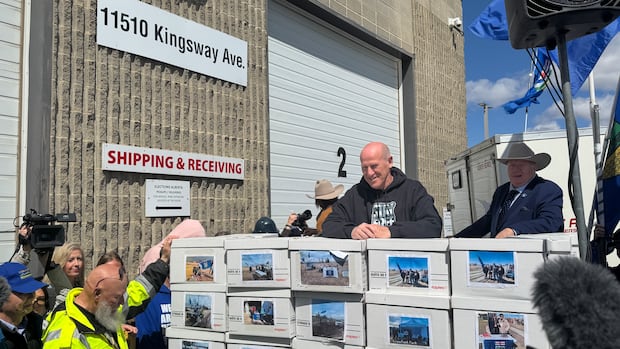
Peter Downing, a prominent figure in Alberta’s independence movement, spearheaded the initiative. His organization sought formal approval from Elections Canada to begin collecting signatures across the province.
Elections Canada initially approved the petition’s wording in 2024, a decision that separatist advocates celebrated as a procedural victory. However, federal government lawyers challenged that approval, arguing the petition failed to meet necessary legal standards.
The Court’s Reasoning: Why the Approval Was Quashed
Justice Simpson found that Elections Canada’s original decision to approve the petition contained significant legal errors. In her ruling, she determined the agency failed to properly assess whether the petition met the requirements set out in parliamentary procedures.
The judge specifically noted that the petition’s language created confusion about what signatories would actually be supporting. Constitutional experts had previously raised concerns that the wording conflated different political and legal concepts.
The ruling emphasized that Elections Canada must apply rigorous standards when evaluating petitions touching on fundamental constitutional matters. The agency cannot simply rubber-stamp applications without thorough legal analysis.
Reaction from Separatist Organizers
Peter Downing expressed disappointment following the ruling but indicated his organization would continue pursuing Alberta independence through other means. The movement has gained traction in recent years amid disputes between the provincial and federal governments over energy policy, equalization payments, and environmental regulations.
The Alberta separatist movement has ebbed and flowed over decades, typically gaining momentum during periods of economic tension or political conflict with Ottawa. Recent debates over oil and gas development, carbon pricing, and federal transfer payments have reinvigorated independence sentiments among some Albertans.
However, polling consistently shows that while many Albertans harbor frustrations with confederation, outright support for separation remains a minority position. Most provincial residents prefer pursuing reforms within Canada’s existing constitutional framework.
Legal Implications for Future Petitions
The court’s decision establishes important precedents for how Elections Canada must evaluate petitions addressing constitutional matters. Legal analysts suggest the ruling will require the agency to conduct more thorough reviews before granting approvals.
Constitutional law experts note that separation petitions face inherent complications under Canadian law. The Supreme Court’s 1998 Reference re Secession of Quebec established that provinces cannot unilaterally separate but also acknowledged that democratic expressions of separatist sentiment require good-faith negotiations.
This framework creates uncertainty about what role citizen petitions can play in advancing independence movements. While petitions represent democratic expression, they carry no binding legal force regarding constitutional amendments.
The federal government welcomed the ruling, with officials stating it upholds the integrity of parliamentary petition processes. Critics of the separation movement argued the original approval had legitimized a legally questionable initiative.
The Broader Context of Alberta Politics
The separation petition ruling arrives during a complex period in Alberta’s relationship with the federal government. Premier Danielle Smith has adopted an assertive stance toward Ottawa, championing provincial autonomy while stopping short of endorsing outright independence.
The provincial government passed the Alberta Sovereignty Act in 2022, legislation allowing Alberta to refuse enforcement of federal laws deemed harmful to provincial interests. While controversial, the act represents a different approach than outright separation—seeking expanded autonomy within confederation rather than complete independence.
Political observers note that mainstream Alberta politicians have generally avoided embracing separation despite incorporating populist grievances into their platforms. This approach acknowledges western alienation concerns while maintaining commitment to Canadian unity.
The petition’s legal defeat may redirect separatist energy toward provincial political channels rather than federal petition processes. Organizations advocating independence will likely reassess their strategies following this setback.
What Happens Next
The court’s decision effectively returns the matter to Elections Canada for reconsideration, though it remains unclear whether organizers will submit a revised petition. Any new application would face heightened scrutiny following Justice Simpson’s ruling.
Separatist advocates retain other options for advancing their cause, including lobbying provincial politicians, organizing grassroots campaigns, and participating in electoral politics. However, formal legal pathways toward independence remain extremely limited under Canada’s constitutional framework.
The ruling underscores the significant procedural and legal barriers facing any serious separation effort. While democratic expression of separatist sentiment enjoys protection, translating that sentiment into constitutional change requires navigating complex federal processes designed to maintain national unity.
The federal court’s decision to quash approval of the Alberta separation petition represents a significant procedural defeat for the province’s independence movement. Justice Simpson’s ruling that the original approval was unreasonable establishes stricter standards for constitutional petitions while highlighting the legal complexity surrounding separation efforts. As Alberta continues navigating its relationship with Ottawa, this case demonstrates that formal independence pathways face substantial judicial scrutiny.
