


Prime Minister Mark Carney unveiled a sweeping Canada clean energy strategy that positions natural gas as a critical bridge fuel in the nation’s ambitious plan to double its electricity grid by 2050. The announcement, made on May 17, 2026, marks a significant shift in federal energy policy, balancing climate commitments with economic pragmatism and energy security concerns.
The new framework aims to transform Canada into an energy superpower while meeting growing domestic electricity demand and supporting allies seeking alternatives to Russian energy supplies. This strategic pivot acknowledges that reaching net-zero emissions requires a realistic pathway that keeps the lights on and industries running.
Key Elements of the Clean Electricity Framework
Doubling Grid Capacity by 2050
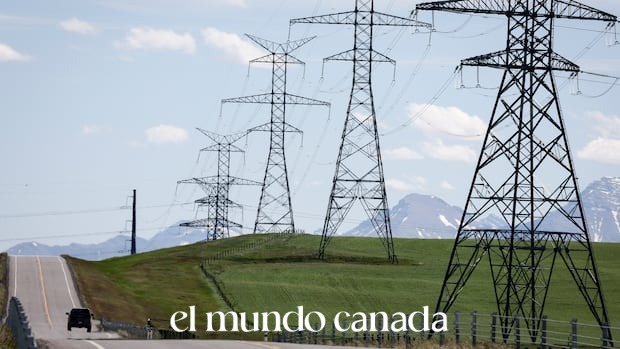
Canada’s electricity infrastructure faces unprecedented demand growth. The federal government projects the nation must double its current electrical capacity within the next 25 years to support population growth, electric vehicle adoption, and industrial electrification.
The strategy outlines a multi-pronged approach combining renewable energy expansion with natural gas generation. Officials emphasized that solar, wind, and hydroelectric power will form the backbone of new capacity, but natural gas plants will provide essential backup power and grid stability.
“We need to be realistic about what it takes to build a clean electricity grid,” Carney stated during the announcement. The Prime Minister stressed that energy reliability cannot be sacrificed in pursuit of environmental goals.
Natural Gas as a Transition Fuel
The framework designates natural gas as a transition fuel through 2050, allowing provinces flexibility in their electricity generation mix. This represents a departure from stricter timelines proposed by previous administrations.
Under the new regulations, natural gas plants can continue operating beyond 2035 if they meet specific conditions:
- Provinces demonstrate concrete plans for renewable capacity additions
- Facilities achieve emissions intensity improvements
- Operators commit to eventual carbon capture implementation
Industry analysts view this flexibility as essential for provinces like Alberta and Saskatchewan, where coal-to-gas conversions have already reduced emissions significantly. The policy acknowledges these gains while setting clear expectations for continued progress.
Economic and Energy Security Considerations
Supporting Allied Nations
Carney framed the energy strategy within broader geopolitical objectives. Canada aims to become a reliable energy supplier for allied nations seeking to reduce dependence on Russian natural gas exports.
The framework includes provisions for expanding liquefied natural gas (LNG) export infrastructure on both coasts. Federal officials project these exports could generate billions in economic activity while strengthening Western energy security.
“Canada has an opportunity and an obligation to help our allies,” Carney explained. The strategy positions Canadian natural gas as a cleaner alternative to coal-fired generation in developing nations, potentially reducing global emissions even as domestic gas consumption continues.
Balancing Climate and Economic Goals
Environmental groups expressed mixed reactions to the announcement. Some praised the continued commitment to net-zero by 2050, while others criticized the extended timeline for natural gas phase-out.
The government countered that emissions reductions remain on track under the new framework. Officials pointed to carbon pricing mechanisms, methane reduction requirements, and renewable energy incentives as complementary policies ensuring climate progress.
Business leaders largely welcomed the announcement. The Canadian Chamber of Commerce called the strategy “pragmatic” and noted that investment certainty would accelerate clean energy deployment.
Provincial Flexibility and Federal-Provincial Relations
Respecting Regional Differences
The clean energy framework acknowledges Canada’s diverse provincial energy landscapes. Provinces with abundant hydroelectric resources face different challenges than those historically dependent on fossil fuels.
Quebec and British Columbia already generate most electricity from renewable sources. These provinces may exceed federal targets while exporting clean power to neighboring jurisdictions.
Alberta, Saskatchewan, and Nova Scotia receive additional flexibility under the regulations. These provinces can maintain natural gas generation longer while building renewable capacity, preventing electricity price shocks and grid reliability issues.
Collaborative Implementation
Federal officials emphasized a collaborative approach to implementation. The government will work with provinces to develop customized pathways meeting national objectives while respecting regional circumstances.
Funding mechanisms announced alongside the framework include:
- $15 billion in clean electricity infrastructure investments
- Tax credits for renewable energy projects
- Support for grid interconnection between provinces
- Research funding for energy storage technologies
Technology and Innovation Priorities
Carbon Capture Requirements
The strategy mandates carbon capture and storage (CCS) technology for natural gas plants operating beyond 2040. This requirement ensures that continued gas generation aligns with long-term climate objectives.
Federal investments will support CCS development and deployment, reducing costs for operators and accelerating adoption. Officials project that CCS-equipped natural gas plants could achieve near-zero emissions by mid-century.
Grid Modernization Investments
Beyond generation capacity, the framework addresses electricity transmission infrastructure. Canada’s provincial grids remain poorly interconnected, limiting the ability to share clean electricity across regions.
The government committed to supporting major transmission projects linking provincial systems. These connections would allow renewable-rich provinces to export surplus power while providing backup capacity during peak demand periods.
Canada’s new clean energy strategy represents a pragmatic approach to the complex challenge of grid decarbonization. By designating natural gas as a transition fuel while maintaining ambitious renewable energy targets, the framework balances environmental commitments with economic reality and energy security needs. Stakeholders across the energy sector will watch closely as provinces develop implementation plans in the coming months. For Canadians, the strategy promises reliable, increasingly clean electricity while positioning the nation as a global energy leader.
