


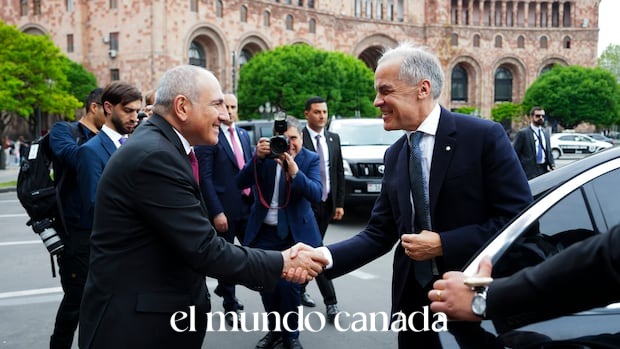
Canada plans to deploy election observers to Armenia for upcoming snap elections, but human rights advocates are sounding alarms about a troubling democratic backslide in the South Caucasus nation. The decision to send Armenia elections Canada observers comes at a critical moment when the country faces mounting concerns over press freedom, judicial independence, and political repression.
The Canadian government’s participation in international election monitoring represents a commitment to democratic values abroad. However, critics argue that observation alone may not address the deeper systemic issues threatening Armenian democracy under Prime Minister Nikol Pashinyan’s administration.
Armenia’s Democratic Trajectory Raises Red Flags
From Revolution to Regression
Armenia once stood as a beacon of democratic hope in the region. The 2018 Velvet Revolution brought Pashinyan to power on promises of transparency, anti-corruption measures, and democratic reform. International observers initially celebrated the peaceful transition as a model for post-Soviet states.
However, the situation has deteriorated significantly since then. The country’s devastating loss in the 2020 Nagorno-Karabakh war against Azerbaijan created political instability that critics say the government has exploited to consolidate power.
Human rights organizations now document a pattern of authoritarian practices that contradict the democratic ideals Pashinyan once championed.
Press Freedom Under Siege
Journalists and media outlets in Armenia report increasing pressure from government authorities. Independent news organizations face legal challenges, financial pressure, and what advocates describe as coordinated harassment campaigns.
The Committee to Protect Journalists has documented multiple cases of reporters facing intimidation for critical coverage of the administration. Press freedom indexes show Armenia’s ranking declining in recent years, reversing gains made immediately after the revolution.
Media pluralism, once expanding, now faces serious constraints that concern international watchdogs.
Canadian Election Observers Face Complex Mission
The Role of International Monitoring
Election observation missions serve crucial functions in supporting democratic processes worldwide. Canadian observers typically work alongside teams from the Organization for Security and Co-operation in Europe (OSCE) and other international bodies.
These missions assess whether elections meet international standards for fairness, transparency, and accessibility. Observers monitor voting procedures, ballot counting, media coverage during campaigns, and the overall political environment.
Canada has a long history of participating in such missions, viewing them as extensions of its foreign policy commitment to democracy promotion.
Limitations of Observation
Critics within the Armenian-Canadian diaspora community argue that election observation, while valuable, cannot address fundamental democratic erosion occurring between election cycles.
Advocates point out that authoritarian leaders often manipulate systems while maintaining superficial compliance with electoral procedures. Elections may appear technically acceptable while occurring within a broader context of suppressed opposition, controlled media, and compromised institutions.
The Armenian National Committee of Canada and other diaspora organizations have urged Ottawa to take stronger positions on human rights concerns beyond simply observing elections.
Diaspora Community Amplifies Concerns
Armenian-Canadians Speak Out
Canada’s significant Armenian diaspora has mobilized to raise awareness about democratic backsliding in their ancestral homeland. Community organizations have lobbied parliamentarians and government officials to address the situation more forcefully.
These advocates argue that Canada’s observation mission should come paired with clear messaging about expectations for democratic governance. They want Ottawa to leverage diplomatic relationships to press for concrete reforms.
The diaspora community brings unique insights into Armenian political developments, maintaining close ties with civil society organizations on the ground. Their warnings carry weight given their direct connections to affected populations.
Balancing Diplomacy and Advocacy
The Canadian government faces a delicate balancing act between maintaining diplomatic relations and advocating for human rights. Armenia occupies a strategically complex position, bordered by Turkey, Azerbaijan, Georgia, and Iran.
Officials must weigh multiple factors including regional stability, humanitarian concerns, and Canada’s broader foreign policy objectives. Critics argue these considerations should not override fundamental commitments to democratic principles.
What International Observers Will Monitor
Key Areas of Concern
The upcoming Armenian snap elections will face scrutiny across several dimensions. International observers typically examine voter registration accuracy, campaign finance transparency, and equal access to media for all candidates.
Particular attention will focus on whether opposition parties can operate freely and whether civil society organizations face restrictions during the election period. The treatment of political prisoners and detained activists also factors into assessments.
Observers will evaluate whether the legal framework governing elections meets international standards and whether authorities implement those laws fairly.
Beyond Election Day
Comprehensive election observation extends beyond simply watching people vote. Pre-election monitoring examines the political environment, media landscape, and legal framework in the months preceding balloting.
Post-election observation covers vote counting, results tabulation, dispute resolution mechanisms, and the handling of any complaints or challenges. This holistic approach provides a complete picture of electoral integrity.
Implications for Canada’s Democracy Agenda
Credibility at Stake
Canada’s participation in election observation missions reinforces its international reputation as a defender of democratic values. However, that credibility depends on consistent application of principles regardless of geopolitical considerations.
Advocates argue that Canada must follow observation with meaningful engagement on documented concerns. Simply certifying elections without addressing broader democratic governance issues risks legitimizing problematic regimes.
The Armenian case tests whether Canada will match rhetorical commitments to democracy with substantive policy responses when observers identify serious concerns.
Path Forward
As Canada prepares its election observer contingent, pressure mounts to ensure the mission produces meaningful outcomes. Diaspora communities, human rights organizations, and parliamentarians are watching closely.
The government faces calls to establish clear benchmarks for Armenian democratic performance and consequences for continued backsliding. How Ottawa responds will signal its seriousness about democracy promotion in an era of global authoritarian resurgence.
Canada’s decision to send election observers to Armenia arrives amid legitimate concerns about the country’s democratic trajectory. While international monitoring serves important functions, advocates stress that meaningful democracy support requires sustained engagement beyond election day.
