


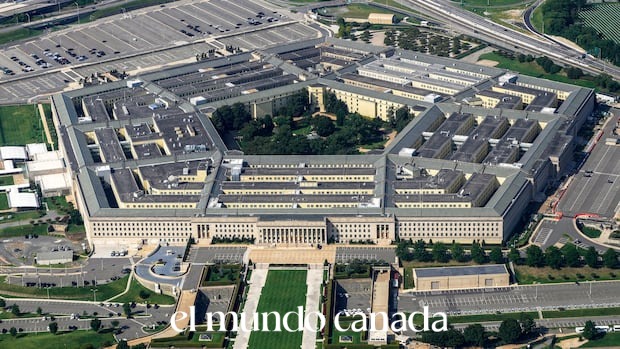
The United States has effectively abandoned the Canada U.S. defence board, marking an unprecedented rupture in one of the world’s oldest military partnerships. The Pentagon’s decision to walk away from the Permanent Joint Board on Defence (PJBD) signals a dramatic shift in North American security cooperation that has stood firm since World War II.
This development comes amid escalating trade tensions between the two nations and raises serious questions about the future of continental defence collaboration.
What Is the Permanent Joint Board on Defence?
The Permanent Joint Board on Defence represents the cornerstone of Canada-U.S. military cooperation. Established in 1940 by President Franklin D. Roosevelt and Prime Minister Mackenzie King, the board has facilitated defence coordination between the two allies for 85 years.
The PJBD typically meets twice annually, alternating between Canadian and American locations. Senior military officials and diplomats from both nations use these meetings to discuss continental security threats, joint military exercises, and defence policy alignment.
Until now, the board had operated continuously through every major conflict and political crisis, including the Cold War, the September 11 attacks, and numerous trade disputes.
Pentagon’s Sudden Withdrawal
The U.S. Department of Defense confirmed it would not participate in the upcoming PJBD meeting scheduled for later this year. Pentagon officials have not provided detailed explanations for the withdrawal, leaving Canadian defence officials scrambling for answers.
Sources familiar with the situation indicate the decision came directly from senior Trump administration officials. The move appears connected to broader tensions over trade tariffs and what American officials have characterized as insufficient Canadian defence spending.
Defence Minister Bill Blair expressed deep concern over the American withdrawal. Canadian officials learned of the decision through diplomatic channels rather than direct military communication, underscoring the breakdown in traditional consultation processes.
Trade War Spillover Into Military Relations
The Pentagon’s exit from the Canada U.S. defence board does not exist in isolation. President Donald Trump has repeatedly criticized Canada over trade imbalances and has imposed significant tariffs on Canadian goods, including steel and aluminum.
Canadian officials have pushed back against American trade measures, implementing retaliatory tariffs on U.S. products. This economic conflict has now clearly spilled into the military sphere, a boundary that previous administrations carefully maintained.
The deterioration extends beyond the PJBD. Reports indicate reduced American participation in joint military planning sessions and decreased information sharing between the two nations’ intelligence communities.
NORAD Partnership Under Scrutiny
The withdrawal raises immediate concerns about the North American Aerospace Defense Command (NORAD), the binational military organization responsible for aerospace warning and control over North America.
NORAD represents an even deeper level of military integration than the PJBD. Canadian and American military personnel work side-by-side at NORAD headquarters in Colorado Springs, sharing real-time intelligence and jointly commanding continental air defence.
Defence analysts warn that if tensions continue escalating, NORAD cooperation could face similar challenges. Such a development would fundamentally reshape North American security architecture and potentially leave gaps in continental defence coverage.
Dr. Jennifer Walsh, a defence policy expert, noted that NORAD modernization projects worth billions of dollars depend on continued bilateral cooperation. Any disruption could delay critical upgrades to radar systems and missile defence capabilities.
Canadian Response and Next Steps
The Canadian government has adopted a measured public response while working diplomatic channels aggressively behind the scenes. Prime Minister’s Office officials confirm ongoing conversations with their American counterparts aimed at restoring normal defence cooperation.
Foreign Affairs Minister Mélanie Joly emphasized Canada’s commitment to continental security and expressed hope that traditional military partnerships would resume. However, she acknowledged the current situation represents “uncharted territory” in the bilateral relationship.
Canadian defence officials are reportedly exploring contingency options, including:
- Increased coordination with other NATO allies
- Enhanced domestic surveillance capabilities
- Diplomatic engagement through multilateral forums
- Direct military-to-military communication channels
Historical Context and Precedent
The Canada U.S. defence board has weathered numerous storms throughout its existence. Trade disputes, policy disagreements, and political tensions have periodically strained the relationship without disrupting military cooperation.
During the Iraq War in 2003, Canada declined to participate in the U.S.-led invasion, creating significant political friction. Yet the PJBD continued meeting, and NORAD operations proceeded without interruption.
The current breakdown differs qualitatively from previous disagreements. Rather than policy disputes handled through established channels, the American withdrawal represents a fundamental rejection of the consultation mechanism itself.
Veterans of the Canada-U.S. defence relationship express alarm at this development. Former officials from both countries have called for immediate de-escalation and restoration of normal communication channels.
Implications for Continental Security
The practical implications of the Pentagon’s withdrawal extend beyond symbolism. The PJBD served as a forum for addressing emerging security challenges, from Arctic sovereignty issues to cybersecurity threats.
Arctic defence cooperation faces particular uncertainty. Both nations have increased military presence in the Far North as climate change opens new shipping routes and resource extraction opportunities. Russia and China have also expanded Arctic activities, making bilateral coordination increasingly important.
Cybersecurity collaboration between Canadian and American agencies may also suffer. The two nations share critical infrastructure, including electrical grids and telecommunications networks, making joint cyber defence essential.
What Comes Next?
The future of the Canada U.S. defence board remains uncertain. Restoration of normal cooperation likely depends on broader resolution of trade tensions and political reconciliation between the two governments.
Canadian officials continue seeking direct engagement with Pentagon counterparts. Military professionals in both countries maintain working relationships developed over decades of collaboration, potentially providing bridges for eventual reconciliation.
For now, the 85-year partnership enters an unprecedented period of strain. How both nations navigate this challenge will shape North American security for generations to come.
Citizens and policymakers on both sides of the border should monitor developments closely and advocate for restoration of this vital security partnership.
