


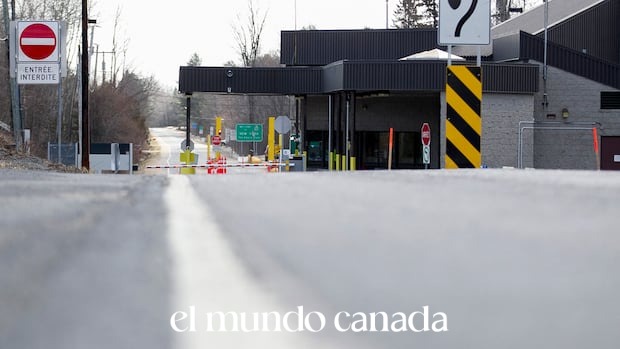
The US Canada travel decline has reached unprecedented levels in 2025, with new research revealing that cross-border traffic has plummeted far more dramatically than initial estimates suggested. What was once the world’s busiest international border has seen a staggering reduction in travelers, reshaping tourism economies on both sides.
Recent data from Statistics Canada and independent research institutions paints a stark picture of the current state of Canada-US relations and their direct impact on travel patterns. The findings have sent shockwaves through the tourism industry, prompting urgent calls for intervention from business leaders and policymakers alike.
New Research Exposes Deeper Travel Collapse
The Numbers Tell a Troubling Story
Statistics Canada’s latest figures show that Canadian visits to the United States dropped by approximately 70 percent compared to the same period in previous years. This dramatic decrease far exceeds earlier projections, which anticipated a decline of around 30 to 40 percent.
The research, conducted through border crossing data and travel surveys, indicates that both leisure and business travel have suffered significant contractions. Day trips, which historically accounted for millions of cross-border journeys annually, have virtually disappeared in some regions.
American visitors traveling north have also decreased substantially, though the decline among Canadian travelers heading south appears more pronounced.
What’s Driving the Unprecedented Decline
Multiple factors have converged to create this perfect storm affecting cross-border tourism. Trade tensions, tariff disputes, and shifting political climates have created an atmosphere of uncertainty that discourages discretionary travel.
Economic pressures, including a weaker Canadian dollar against the US greenback, have made American vacations significantly more expensive for Canadian families. A trip that cost $2,000 CAD just two years ago now carries a substantially higher price tag.
Beyond economics, sentiment plays a crucial role. Surveys indicate that many Canadians have actively chosen to redirect their travel spending to domestic destinations or overseas alternatives.
Tourism Industry Faces Economic Fallout
Border Communities Bear the Brunt
Communities that depend on cross-border commerce have experienced devastating economic impacts. Towns along the Canada-US border that once thrived on shopping tourism and day-trippers now report empty parking lots and struggling businesses.
Niagara Falls, one of North America’s most iconic tourist destinations, has seen Canadian visitor numbers plummet. Restaurants, hotels, and attractions on the American side report cancellations and reduced bookings that threaten their survival.
Similarly, border cities in British Columbia, Manitoba, and Quebec have watched their retail sectors contract as Canadian shoppers stay home. The ripple effects extend to gas stations, restaurants, and entertainment venues that relied on cross-border traffic.
Airlines and Travel Agencies Adapt
Major airlines have responded to the travel downturn by reducing flight frequencies between Canadian and American cities. Routes that once operated multiple daily flights now see significantly reduced schedules.
Travel agencies specializing in US vacations report booking declines of 50 percent or more. Many have pivoted their offerings toward European, Caribbean, or domestic Canadian packages to survive.
Industry analysts warn that some smaller operators may not survive if current trends continue through the peak summer travel season.
Government Response and Policy Implications
Ottawa Monitors Situation Closely
Canadian government officials have acknowledged the severity of the border traffic decline and its economic implications. However, concrete policy responses remain limited as the situation continues to evolve.
Tourism ministers from affected provinces have called for federal support programs targeting businesses dependent on American visitors. Some have proposed marketing campaigns to attract travelers from other international markets to offset losses.
The challenge lies in addressing factors largely outside domestic control, including bilateral trade disputes and broader geopolitical tensions.
Long-Term Economic Projections
Economists warn that prolonged travel restrictions and reduced cross-border movement could permanently alter established patterns. Businesses that close during this downturn may never reopen, fundamentally changing border community economies.
Research institutions project that full recovery to pre-decline travel levels could take years, even if current tensions ease. Consumer habits formed during this period may persist, with Canadians discovering domestic alternatives they prefer.
What This Means for Travelers
Planning Cross-Border Trips in 2025
For those still planning US travel from Canada, experts recommend several precautions. Monitoring exchange rates closely and booking accommodations with flexible cancellation policies provides financial protection.
Travelers should also stay informed about border wait times and any documentation requirements that may have changed. Processing times at major crossings have fluctuated unpredictably in recent months.
Travel insurance has become increasingly important, with policies covering trip interruption offering valuable peace of mind.
Alternative Destinations Gaining Popularity
Canadian travelers have increasingly turned their attention to alternative destinations. Mexico, the Caribbean, and European countries have all seen increased interest from Canadian vacationers seeking sun and culture without crossing the US border.
Domestic tourism within Canada has also experienced a resurgence, with provinces reporting stronger than expected bookings from fellow Canadians exploring their own country.
The US Canada travel decline represents more than a temporary blip—it signals a potential fundamental shift in North American travel patterns. As data continues to reveal the true depth of this downturn, businesses, governments, and travelers must adapt to a new reality. Those planning cross-border trips should stay informed, remain flexible, and consider the full range of options available in this evolving landscape. The coming months will prove critical in determining whether this represents a temporary disruption or a lasting transformation of the world’s longest undefended border.
