


The 2026 FIFA World Cup promises to bring global attention and economic opportunity to Mexico City. However, for thousands of long-time residents, the approaching tournament signals something far more troubling: accelerated gentrification that threatens to push working-class families from neighborhoods they have called home for generations.
As construction crews transform streets and developers eye prime real estate, community activists warn that the beautiful game comes with an ugly price tag. The displacement of lower-income residents has intensified in recent months, raising urgent questions about who truly benefits when a mega-sporting event arrives in town.
The Human Cost of Urban Transformation
Families Facing Forced Displacement
In neighborhoods surrounding the iconic Estadio Azteca, one of the tournament’s host venues, residents describe mounting pressure to vacate their homes. Rent increases of 50% or more have become commonplace, pricing out families who have lived in these communities for decades.
Local housing advocates report a disturbing pattern. Landlords decline to renew leases. Buildings suddenly require extensive renovations. Long-term tenants receive buyout offers they cannot refuse—or eviction notices when they try.
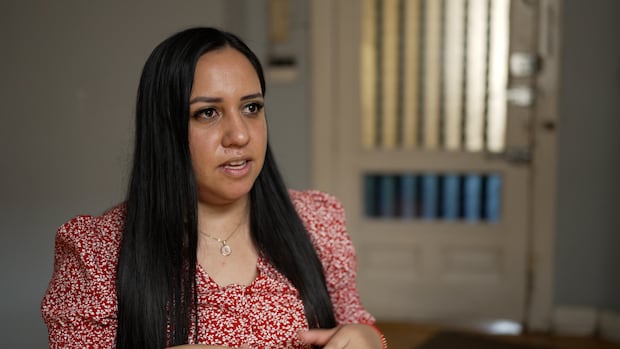
“We are expelling the poor,” one community organizer told reporters, summarizing the sentiment shared by many activists working on the ground. The phrase has become a rallying cry for those fighting to preserve affordable housing in the Mexican capital.
Rising Rents and Foreign Investment
The influx of foreign investment has fundamentally altered Mexico City’s housing market. Short-term rental platforms have converted thousands of residential units into tourist accommodations. Digital nomads and remote workers from wealthier countries now compete directly with local families for available housing.
Average rent prices in popular neighborhoods have doubled over the past five years. In areas like Roma, Condesa, and Coyoacán, monthly rents now rival those in major U.S. cities—while local wages remain a fraction of American salaries.
The World Cup has only accelerated these trends. Property speculators anticipate massive returns as the tournament approaches, driving up land values and making affordable housing increasingly scarce.
World Cup Infrastructure and Neighborhood Change
Stadium Upgrades and Surrounding Development
Mexico City officials have committed billions of pesos to World Cup preparations. The Estadio Azteca, which will host matches including a semifinal, has undergone significant renovations. Transportation improvements, hotel construction, and entertainment venues have transformed surrounding areas.
While proponents argue these investments will benefit residents long after the tournament ends, critics point to historical evidence suggesting otherwise. Previous World Cup host cities have experienced similar gentrification patterns, with promised benefits rarely reaching those who need them most.
The Pattern of Mega-Event Displacement
Research on Olympic Games and World Cup tournaments consistently documents displacement of vulnerable populations. From Rio de Janeiro to Johannesburg, mega-sporting events have preceded waves of evictions and neighborhood transformation.
Mexico City appears to follow this troubling template. Community members report that enforcement of housing codes has become selectively aggressive in areas targeted for redevelopment. Street vendors face removal from locations they have occupied for years. Informal settlements near tournament venues have experienced increased pressure.
Community Resistance and Advocacy Efforts
Grassroots Organizations Fighting Back
Despite facing powerful economic forces, neighborhood associations have organized resistance movements throughout affected areas. Community meetings draw hundreds of concerned residents. Legal aid organizations have expanded services to help tenants understand their rights.
Activists have documented cases of illegal evictions and filed complaints with housing authorities. Social media campaigns have drawn international attention to displacement stories, putting pressure on both government officials and FIFA organizers.
Some community groups have proposed alternative development models that would preserve affordable housing while still capturing World Cup economic benefits. These proposals include community land trusts, rent stabilization policies, and requirements for developers to include affordable units in new construction.
Government Response and Policy Debates
Mexico City officials have acknowledged concerns about displacement while defending World Cup preparations. Mayor Clara Brugada has announced initiatives aimed at protecting vulnerable residents, including expanded rental assistance programs and strengthened tenant protections.
However, housing advocates argue these measures fall far short of addressing the crisis. Enforcement of existing protections remains inconsistent. New policies often contain loopholes that sophisticated developers easily exploit.
The tension between economic development and community preservation has sparked broader debates about urban planning priorities. Critics question whether hosting expensive international events serves the interests of ordinary residents or primarily benefits wealthy investors and political elites.
Looking Beyond the Tournament
Long-Term Implications for Residents
The 2026 World Cup will last approximately one month. The gentrification it accelerates will reshape Mexico City neighborhoods for decades. Housing experts warn that without significant policy interventions, current trends will permanently alter the demographic composition of historic communities.
Young families already struggle to afford housing in neighborhoods where their parents and grandparents lived. Artists and small business owners—the very people who created the cultural vibrancy attracting wealthy newcomers—increasingly cannot afford to stay.
Balancing Development and Equity
The challenge facing Mexico City mirrors struggles in global cities worldwide. How can communities capture economic benefits from growth and investment while preventing displacement of vulnerable residents?
Some urban planners suggest the World Cup could serve as a catalyst for positive change if accompanied by robust protective policies. Inclusionary zoning requirements, tenant right-to-counsel programs, and community benefit agreements could help ensure development serves existing residents rather than replacing them.
As the 2026 FIFA World Cup approaches, gentrification concerns in Mexico City demand urgent attention from policymakers, FIFA officials, and international observers. The tournament offers Mexico an opportunity to showcase its culture and hospitality to the world. However, that showcase rings hollow if achieved by pushing long-time residents from their homes. The coming months will reveal whether officials prioritize inclusive development or allow market forces to determine who belongs in the city’s most desirable neighborhoods.
