


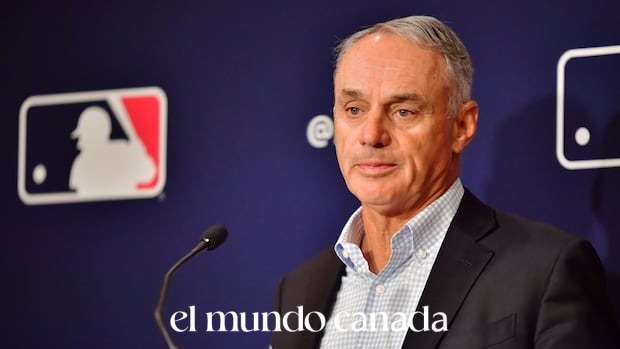
Major League Baseball owners have introduced an MLB salary cap proposal to the players’ union for the first time in three decades, reigniting tensions that once caused the sport’s most devastating work stoppage. The proposal, presented during collective bargaining negotiations in May 2025, marks a dramatic shift in labor relations and threatens to disrupt the current peace between team owners and players.
This bold move echoes the contentious 1994-95 negotiations that led to the cancellation of the World Series—the only time in modern baseball history that the championship wasn’t played. With the current collective bargaining agreement set to expire after the 2026 season, both sides now face a critical crossroads that could reshape professional baseball’s economic landscape.
Why Owners Are Pushing for a Salary Cap Now
Rising Payrolls and Competitive Balance Concerns
Team owners argue that a hard salary cap would create greater competitive balance across all 30 MLB franchises. Currently, baseball operates under a luxury tax system, formally known as the Competitive Balance Tax, which penalizes teams that exceed a predetermined payroll threshold.
However, wealthy franchises like the New York Mets, Los Angeles Dodgers, and New York Yankees have repeatedly demonstrated willingness to pay these penalties to field expensive rosters. In recent seasons, payroll disparities have grown significantly, with top-spending teams exceeding $300 million annually while smaller-market clubs operate with budgets under $100 million.
The Economic Argument
Owners contend that a salary cap would provide financial predictability and sustainability for all franchises. They point to other major North American sports leagues—the NFL, NBA, and NHL—which all operate with some form of salary cap system.
According to league representatives, implementing a cap would help struggling franchises remain competitive while ensuring long-term financial health across the sport. However, critics note that MLB already generates record revenues, casting doubt on claims of financial necessity.
Players’ Union Response and Historical Context
MLBPA’s Firm Opposition
The Major League Baseball Players Association has historically and categorically rejected salary cap proposals. Union leadership views any cap as a fundamental threat to players’ earning potential and collective bargaining rights.
Tony Clark, the MLBPA’s executive director, has consistently maintained that players should receive fair compensation based on their market value without artificial restrictions. The union argues that owners’ profitability concerns don’t justify limiting player salaries when franchise values continue to skyrocket.
The Ghost of 1994
The last time owners formally proposed a salary cap, the result was catastrophic for the sport. The 1994-95 MLB strike lasted 232 days, wiped out the final weeks of the 1994 regular season, eliminated the playoffs entirely, and delayed the start of the 1995 season.
That work stoppage damaged baseball’s reputation for years and drove away millions of fans. Many industry observers credit the 1998 home run chase between Mark McGwire and Sammy Sosa—later tainted by performance-enhancing drug revelations—with helping restore public interest in the sport.
What a Salary Cap Would Mean for Baseball
Impact on Free Agency
A salary cap would fundamentally transform MLB free agency, potentially limiting the massive contracts that have become commonplace in recent years. Players like Shohei Ohtani, whose $700 million deal with the Dodgers set new records, might never see such agreements again under a capped system.
Star players would likely see their earning potential significantly reduced, while mid-tier players could potentially benefit from more evenly distributed payrolls across teams.
Small Market vs. Large Market Dynamics
Proponents suggest a cap would help small-market teams compete for championships by preventing wealthy franchises from simply outspending their rivals. Cities like Kansas City, Milwaukee, and Pittsburgh might finally have realistic paths to sustained success.
However, skeptics argue that a cap alone won’t solve competitive imbalance issues without accompanying measures like a salary floor requiring minimum spending levels.
The Road Ahead: Negotiation Timeline
Current CBA Status
The existing collective bargaining agreement, reached in 2022 after a 99-day lockout, remains in effect through December 2026. Both sides have approximately 18 months to negotiate new terms before potential labor action becomes a possibility.
Early indications suggest these negotiations will be particularly contentious. The salary cap proposal represents just one of several major issues likely to generate significant disagreement between ownership and players.
Potential Outcomes
Industry analysts see several possible scenarios emerging from these talks:
- Compromise Position: Enhanced luxury tax penalties without a true hard cap
- Status Quo: Continuation of the current system with minor modifications
- Work Stoppage: Another strike or lockout if negotiations collapse
- Salary Cap Implementation: The least likely outcome given union opposition
Expert Perspectives on the Proposal
Baseball economists and labor experts have offered mixed assessments of the owners’ proposal. Some view it as a legitimate negotiating tactic designed to extract other concessions from players, while others see it as a genuine attempt to restructure baseball’s economics.
Former players and current union members have universally criticized the proposal, characterizing it as an attempt to artificially suppress wages despite the sport’s financial prosperity.
The MLB salary cap proposal represents the most significant challenge to baseball’s labor peace since the devastating 1994-95 strike. While owners frame the cap as necessary for competitive balance and financial sustainability, players view it as a direct attack on their earning rights. With negotiations ongoing and the current agreement expiring in 2026, fans should prepare for potentially turbulent times ahead. Both sides must remember the lessons of the past—when labor disputes cost baseball its World Series and alienated generations of fans.
