


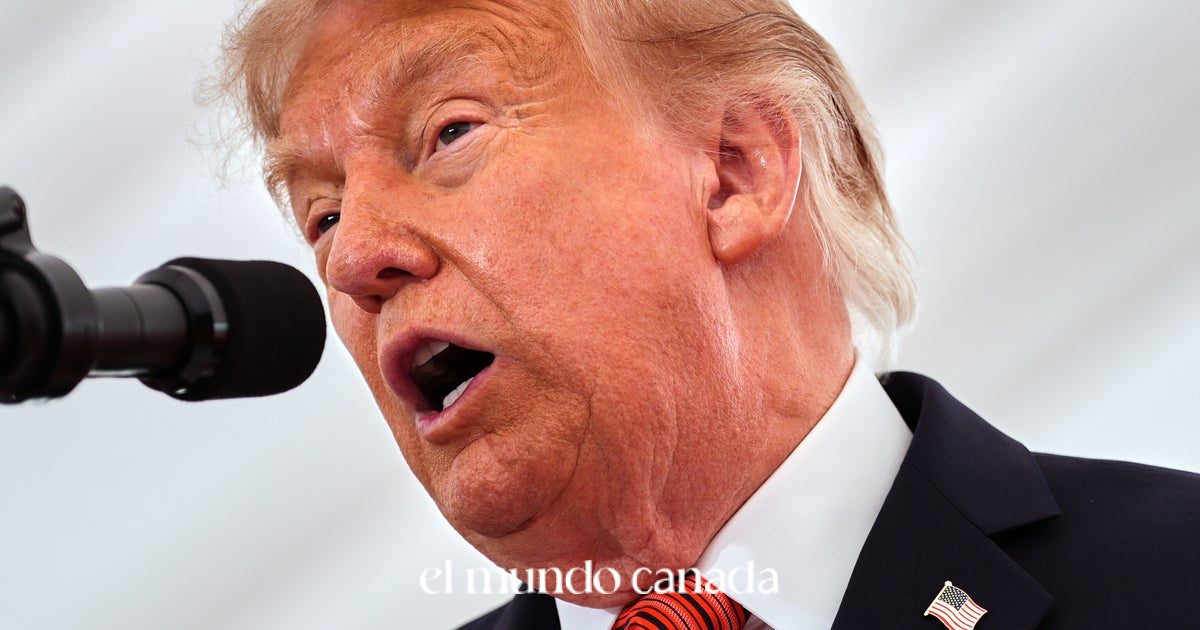
President Donald Trump sharply criticized NATO on Saturday, September 12, 2026, for the alliance’s continued refusal to participate in the ongoing U.S. war on Iran. Speaking from the Deerfield Residence in Dublin, Ireland, the official home of the U.S. ambassador, Trump expressed frustration over the alliance’s decision not to assist with Iran’s control of the Strait of Hormuz, a critical waterway where one-fifth of the world’s oil passes through daily.
The remarks came as oil prices surged past $100 per barrel for the first time in months, driven by Iran’s tightened grip on the strategic strait since the conflict began. Trump’s criticism of NATO allies continues a pattern of diplomatic friction that has intensified since the United States launched military operations against Iran without consulting key European partners. The ongoing conflict has raised concerns about Canada’s digital sovereignty during these turbulent trade negotiations.
Trump’s Dublin Speech Details
During his address at the Deerfield Residence, President Trump opened with broad criticism of European policies. He stated he was disappointed with the direction the continent was taking on multiple fronts, from trade agreements to energy policy and immigration. The president did not mince words about his assessment of Europe’s current trajectory.
“I hate to see what’s happening on trade, I hate to see what’s happening on energy, and I hate to see what’s happening on immigration. Woo, that immigration. What you’re doing to yourselves, you’re just killing yourselves. But we’re going to work with them.”
Trump’s visit to Ireland coincides with the closing weekend of the 2026 Amgen Irish Open at his Doonbeg golf resort. The timing of his diplomatic criticisms during a leisure trip has drawn attention from international observers monitoring the escalating tensions between Washington and its traditional Atlantic allies.
The Strait of Hormuz Crisis
The Strait of Hormuz has become a central flashpoint in the U.S.-Iran conflict. This narrow waterway between Iran and the Arabian Peninsula serves as the world’s most important oil transit chokepoint. Iran has essentially tightened its control over the strait since the war began, creating significant disruptions to global energy markets.
Trump acknowledged that the United States does not directly depend on oil from the region. He emphasized that America possesses substantial domestic oil reserves, stating the country has “more oil than anybody.” However, the president argued that securing the strait remained strategically important despite this energy independence, though the practical reasoning remained somewhat unclear.
“Very disappointing in many ways, that NATO didn’t want to help us with the strait, even though we don’t get any oil from the strait. We don’t need it. We have a lot of oil. We have more oil than anybody, as you know, but we thought it was important.”
The global economic impact has been substantial. With oil trading above $100 per barrel, fears of a broader energy crisis have spread across international markets. The price surge affects everything from transportation costs to manufacturing expenses worldwide.
NATO Alliance Tensions Escalate
Trump’s relationship with NATO has been a recurring source of controversy throughout his presidency. His latest criticisms come after European leaders declined American requests for military support in the Iran campaign. The president recounted asking alliance members if they would assist with Hormuz operations, only to be rebuffed.
The situation has created notable friction with key European heads of state. French President Emmanuel Macron and Italian Prime Minister Giorgia Meloni, among other NATO leaders, have expressed frustration that Washington failed to consult them before launching the war. This lack of diplomatic coordination has strained the transatlantic partnership that has defined Western security for decades.
In a somewhat contradictory statement, Trump suggested he actually declined European support himself after initially requesting it. He questioned why the United States should help allies who wouldn’t reciprocate, stating, “Why the hell are we helping them?” He promised more announcements on this matter would come later. These international trade tensions mirror challenges that have also sparked the growing Buy Canadian movement in Canada.
War Objectives Remain Unclear
The U.S. war on Iran has faced criticism for what observers describe as muddy reasoning behind the military action. Trump has offered varying explanations for the conflict, and the administration has not achieved any of the stated objectives laid out earlier in 2026. The lack of clear strategic goals has fueled skepticism among international partners.
The conflict has disrupted the world economy significantly. Beyond oil price increases, the war has created supply chain uncertainties and sparked concerns about potential wider regional instability. Global markets have reacted nervously to each development in the Persian Gulf region.
Trump attempted to frame NATO’s non-participation as a financial benefit for the United States. He claimed the alliance was “saving us a lot of money” by opting out of the war effort. The president also characterized his approach to seeking European support as restrained, noting, “I didn’t do a heavy sell. I didn’t do a Trump kind of a sell.”
Implications for Canada and the Latin Community
The escalating U.S.-Iran conflict and transatlantic tensions carry significant implications for Canada and its Latin American community. Rising oil prices directly affect energy costs for Canadian households and businesses. The $100 per barrel price point translates to higher gasoline prices, increased heating costs, and elevated transportation expenses across the country.
Canada’s position within the NATO alliance places the country in a delicate diplomatic situation. As Trump pressures allies for support, Ottawa must balance its traditional partnership with Washington against the broader European consensus against joining the Iran campaign. The Latin community in Canada should monitor how these geopolitical shifts affect immigration policies, economic stability, and bilateral relations.
For families sending remittances to Latin America, the economic uncertainty created by global oil disruptions could affect currency exchange rates and transfer costs. Business owners in the Latino community should prepare for potential cost increases in transportation and goods delivery as energy prices remain elevated.
The 2026 Amgen Irish Open concludes at Doonbeg, but the diplomatic fallout from Trump’s remarks will likely extend well beyond the weekend. NATO is expected to address the alliance’s position on the Iran conflict at upcoming meetings, with the next major gathering of foreign ministers scheduled for October 2026.
Why is Trump criticizing NATO over the Iran war?
President Trump is frustrated that NATO allies have refused to provide military support for the U.S. war on Iran, particularly regarding Iran’s control of the Strait of Hormuz. He believes European partners should assist despite the United States not directly relying on oil from the region.
How are oil prices affected by the U.S.-Iran conflict?
Oil prices have surged past $100 per barrel for the first time in months. This increase is directly linked to Iran’s tightened grip on the Strait of Hormuz, through which one-fifth of the world’s oil passes daily.
Which European leaders are at odds with Trump over the war?
French President Emmanuel Macron and Italian Prime Minister Giorgia Meloni, among other NATO leaders, have expressed frustration that Washington launched the war without consulting them, creating notable friction within the transatlantic alliance.
What are Trump’s stated objectives in the Iran war?
Trump has offered varying explanations for the military action, and the administration has not achieved any of the stated objectives laid out earlier in 2026. Observers have described the reasoning behind the conflict as unclear.
How does this affect Canada and the Latin community?
Rising oil prices will increase energy costs for Canadian households and businesses. The Latin community should monitor impacts on currency exchange rates, remittance costs, and transportation expenses as global markets remain volatile.
📘 Follow El Mundo Canada on our social networks: Facebook | Twitter | Instagram
As of September 14, 2026, NATO allies have not changed their position, and tensions over the alliance’s role in the Iran conflict remain unresolved.
