


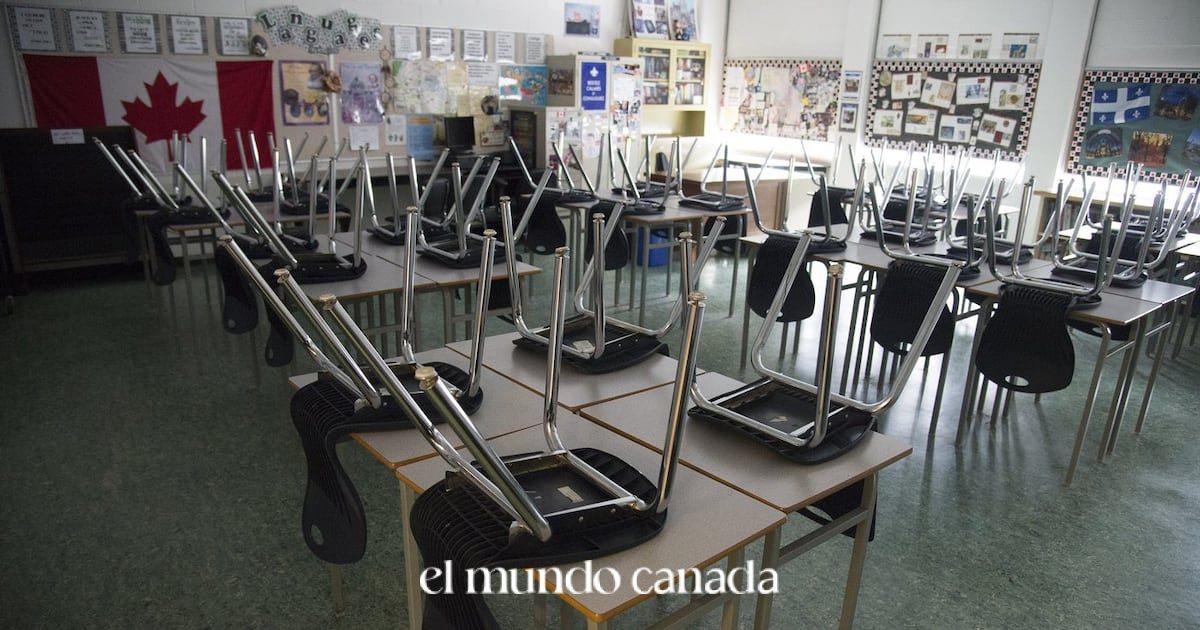
British Columbia teachers are sounding the alarm about a disturbing trend sweeping through public schools across the province: classroom violence has reached unprecedented levels, with educators reporting being kicked, bitten, and slapped by students on a regular basis. The situation has prompted urgent calls for action from the British Columbia Teachers’ Federation and education advocates who say the problem is now out of control.
The reports coming from B.C. classrooms paint a troubling picture of the current educational environment. Teachers across multiple school districts describe incidents that range from verbal abuse to physical assaults, creating an atmosphere where educators feel unsafe while trying to perform their duties. This wave of violence in schools is affecting not only teacher wellbeing but also the learning environment for all students.
Scope of Classroom Violence in B.C. Schools
The classroom violence crisis in British Columbia extends across elementary, middle, and high school settings. Teachers report that violent incidents have become increasingly frequent and severe, with some educators requiring medical attention after being attacked by students. The types of physical violence being reported include kicking, biting, slapping, punching, and having objects thrown at them.
School administrators and district officials acknowledge the growing problem, though responses have varied across the province’s 60 school districts. Many teachers express frustration that their concerns about student violence have not been adequately addressed, leaving them feeling vulnerable and unsupported in their own classrooms.
The situation is particularly acute in schools serving diverse communities, including areas with significant immigrant populations. For Latin families in Canada, understanding the current state of school safety is essential when making decisions about their children’s education.
Factors Contributing to Rising Violence
Education experts point to several factors driving the increase in classroom violence. The lingering effects of the COVID-19 pandemic on children’s social development and mental health continue to manifest in behavioral challenges. Many students spent critical developmental years in isolation, missing opportunities to develop conflict resolution skills and appropriate social behaviors.
Resource constraints in B.C. schools have also been identified as a contributing factor. Classroom sizes have grown while support services for students with behavioral needs have not kept pace. Special education assistants, counselors, and school psychologists remain in short supply, leaving teachers to manage complex situations without adequate backup.
The intersection of mental health challenges, learning disabilities, and behavioral disorders creates a volatile mix that many educators feel unprepared to handle. Teacher training programs have traditionally focused on curriculum delivery rather than crisis management and de-escalation techniques.
Impact on Teachers and Education Quality
The toll of classroom violence on B.C. teachers extends far beyond physical injuries. Many educators report experiencing anxiety, depression, and post-traumatic stress as a result of repeated exposure to violent incidents. Teacher burnout has accelerated, with experienced educators leaving the profession earlier than planned.
This exodus of qualified teachers compounds existing staffing shortages in British Columbia schools. When veteran educators depart, schools lose institutional knowledge and expertise that cannot be easily replaced. New teachers entering the system face an even steeper learning curve when confronted with violent classroom situations.
The educational impact on students is equally concerning. When teachers must focus significant time and energy on managing violent behavior, less attention can be devoted to instruction. Other students in the classroom may feel unsafe or distracted, undermining their ability to learn effectively. Similar concerns about youth safety have emerged in other contexts, such as the recent teen e-scooter crash in Winnipeg involving life-threatening injuries.
Calls for Action and Policy Changes
The British Columbia Teachers’ Federation has been vocal in demanding systemic changes to address the classroom violence epidemic. Among their key demands are smaller class sizes, increased support staff, better training for dealing with violent students, and clearer protocols for removing dangerous individuals from classroom settings.
Teachers are also calling for improved reporting mechanisms and follow-up procedures when violent incidents occur. Currently, many educators feel that reports of student violence disappear into bureaucratic systems with little accountability or action. They want assurances that administrators will take their safety concerns seriously.
Read more: Ford Backs Chow for Mayor: A Political Shift
The provincial government has acknowledged the concerns but has not yet announced comprehensive measures to address the crisis. Education advocates are pushing for dedicated funding to hire additional educational assistants, counselors, and behavioral specialists who can provide early intervention before situations escalate to violence.
Resources for Families and Communities
For Latin families navigating the B.C. school system, understanding your rights and available resources is crucial. Parents have the right to be informed about safety incidents at their children’s schools and can request meetings with administrators to discuss safety protocols. The B.C. Ministry of Education maintains guidelines that schools must follow when dealing with violent behavior.
If your child has witnessed or been affected by classroom violence, counseling services may be available through the school district. Many immigrant service organizations across British Columbia also offer family support programs that can help navigate these challenging situations.
Community involvement in school governance provides another avenue for addressing these issues. Parent advisory councils exist in every B.C. school and offer opportunities to voice concerns directly to school administrators and trustees. Spanish-speaking families should know that many districts provide translation services to ensure all parents can participate in these important conversations.
Teachers, parents, and community members must work together to create safe learning environments for all students. The current classroom violence crisis requires urgent attention from policymakers, educators, and families alike. As B.C. schools continue grappling with this challenge, the upcoming school board elections in October 2026 will provide an opportunity for voters to prioritize candidates who commit to addressing school safety as a top concern.
What types of violence are B.C. teachers reporting?
B.C. teachers report experiencing physical assaults including being kicked, bitten, and slapped by students. Other incidents include punching, having objects thrown at them, and verbal abuse.
What is causing the rise in classroom violence?
Multiple factors contribute to the increase, including the lasting effects of the COVID-19 pandemic on children’s social development, resource constraints in schools, larger class sizes, and insufficient support services for students with behavioral needs.
What are teachers demanding to address the problem?
Teachers are calling for smaller class sizes, more support staff, better training for managing violent situations, improved reporting mechanisms, and clearer protocols for addressing dangerous behavior.
How can parents help address classroom violence?
Parents can participate in parent advisory councils, attend school board meetings, communicate concerns to administrators, and support their children in developing appropriate conflict resolution skills.
What resources are available for affected families?
Families can access counseling services through school districts, contact immigrant service organizations for support, and request translation services to participate in school governance.
📘 Follow El Mundo Canada on our social networks: Facebook | Twitter | Instagram
