


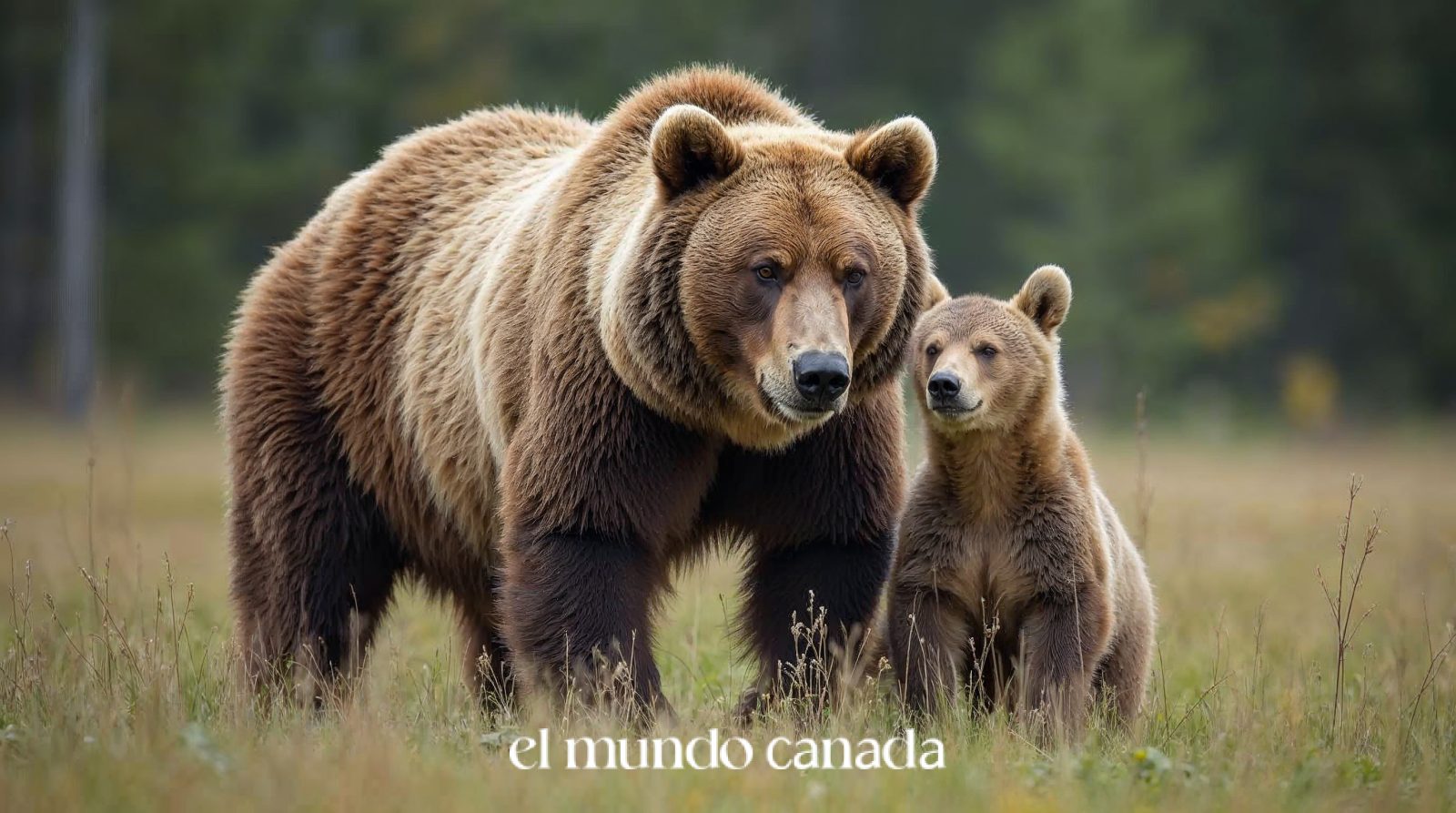
Grizzly bears have returned to Pender Harbour, British Columbia, a coastal community of roughly 3,000 residents where the species was considered eradicated according to provincial maps. A mother grizzly and her three yearlings triggered a shelter-in-place order at the local elementary school around noon on Thursday, forcing staff to keep students inside while authorities blocked a road leading to the marina.
The unexpected arrival of this grizzly family has sparked intense debate among Pender Harbour residents. Located approximately a 40-minute ferry ride and a twisty one-hour drive north of Vancouver, this quiet coastal town has long coexisted with black bears but has no living memory of grizzly bear presence in the area.
Why Grizzly Bears Are Returning to This Region
Experts point to several factors driving B.C. grizzlies to push back into territories where they haven’t been seen in generations. Wildfires, climate change, and a hunting ban are among the possible reasons cited for this wildlife expansion. The bears appear to be reclaiming historic habitat despite official maps listing the species as absent from this coastal region.
The grizzly family first appeared in the first week of August when the mother bear led her yearlings to Oyster Bay. There, they feasted on clams and oysters in full view of dozens of waterfront residents, marking a dramatic introduction to the community.
Community Response: Coexistence vs. Relocation
The presence of grizzly bears in Pender Harbour has divided the community. While many residents advocate for coexistence by removing attractants and bear-proofing properties, others urgently want the grizzly family relocated before a dangerous encounter occurs.
“I really hope the conservation officer can relocate them. They won’t do well in this community.”
Lesley Durrant, who runs a bed and breakfast overlooking a bay where the grizzly family has been spotted, represents those concerned about safety. Her waterfront property puts her in direct proximity to the bears’ foraging grounds.
Close Encounter: How One Resident Survived
On August 14, Tammy Trefry, who operates a local animal rescue service, posted a warning on Facebook urging the community to give the grizzly family space. She shared crucial safety tips that would prove lifesaving just one day later.
Amelia Dunn was outside feeding her two pigs when she looked up to see the mother grizzly and three yearlings trotting directly toward her. Her first instinct was pure terror.
“My first instinct was ‘Oh my god, they know it’s feeding time. They’re coming to eat me. They’re coming to get the pigs.'”
Then Dunn remembered reading Trefry’s advice. Rather than banging the two bowls in her hands together—a tactic effective against black bears—she dropped them to the ground, ensured the bears could see her, and calmly repeated, “Off you go, bears. Off you go.”
The grizzly bears stood up, assessed Dunn for several seconds, then walked back the way they came. The encounter demonstrated that these bears wanted nothing to do with humans.
Read more: B.C. Election 2026: 7 Parties Battle for Votes
Creative Deterrent Methods That Actually Work
Following her encounter, Amelia Dunn contacted Tammy Trefry, who arrived with an array of unconventional bear deterrents. The methods she employed demonstrate how creative thinking can help humans coexist with grizzly bears safely.
Effective deterrents being used in Pender Harbour include:
- Wolf hair placed around property perimeters
- Pine-Sol cleaning solution as a scent deterrent
- Strobe lights to discourage nighttime visits
- Air-filled garbage bags that create noise and movement
- Static-blaring radios that disturb bears with unpredictable sounds
- Electric fences around livestock and gardens
- Animal-resistant garbage cans that eliminate food attractants
After implementing these measures, Dunn reported that she never saw the grizzly bears again near her property. However, not all residents have been receptive to these methods.
Resistance to Change: Old Habits Die Hard
Tammy Trefry reports that some residents have taken a confrontational approach. People have sicced dogs on the grizzly bears, while others refuse to install electric fences or remove fruit trees that attract wildlife.
Generational habits prove difficult to break. Andy Pestraschuk spotted the grizzlies early Thursday morning and responded by banging a pot to protect his livestock—a method that works for black bears.
“They freaked out and took off towards the water.”
While the pot-banging worked this time, wildlife experts warn that aggressive tactics can backfire with grizzly bears, potentially making them more dangerous rather than deterring them long-term.
The situation in Pender Harbour reflects broader challenges facing British Columbia communities as environmental and policy changes reshape wildlife patterns across the province. Residents must adapt to coexisting with species that were once thought eliminated from their region.
For Latin community members living in B.C. or considering relocation to coastal communities, understanding wildlife safety is essential. The return of grizzly bears to areas where they haven’t been seen in living memory signals that Canada’s wilderness continues to evolve in unexpected ways.
What should you do if you encounter a grizzly bear?
Unlike with black bears, you should not bang pots or yell at grizzly bears. Stay calm, ensure the bear can see you, speak in a calm voice, and allow the grizzly to move on. Avoid sudden movements or actions that could be perceived as threatening.
Why are grizzly bears returning to coastal B.C.?
Several factors may be contributing to grizzly bear expansion into historic territories, including wildfires displacing wildlife, climate change affecting food sources, and a hunting ban that has allowed populations to recover and expand their range.
How can residents bear-proof their properties?
Effective measures include installing electric fences, using animal-resistant garbage cans, removing fruit trees or fallen fruit, placing wolf hair around property perimeters, and using deterrents like Pine-Sol, strobe lights, and radios tuned to static.
Will the grizzly family be relocated?
Some residents are urging conservation officers to relocate the grizzly family, while others advocate for coexistence. The decision ultimately rests with B.C. wildlife authorities, who will assess whether relocation is necessary for public safety.
📘 Follow El Mundo Canada on our social networks: Facebook | Twitter | Instagram
The school shelter-in-place order issued on Thursday underscores how seriously authorities are taking the grizzly presence in Pender Harbour. As the grizzly family continues to roam the community—most recently spotted gorging on apples before heading down the highway—residents face an ongoing period of adjustment to their new neighbors.
