


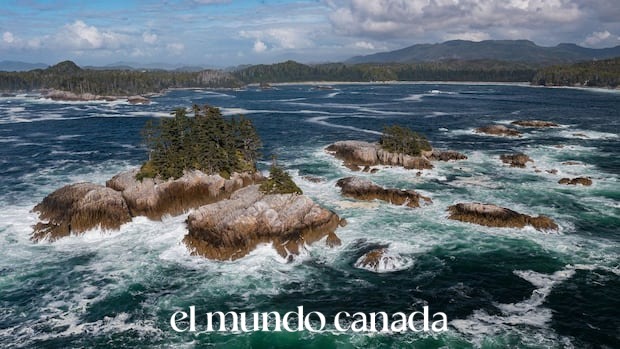
A groundbreaking BC marine protected area spanning more than 6,000 square kilometres will soon safeguard one of Canada’s most pristine coastal ecosystems. The federal government and Heiltsuk Nation announced the creation of the Mía Yálƛwa Hálidzogm Hoon Protection Area on British Columbia’s Central Coast, marking a significant milestone in Indigenous-led ocean conservation.
This new marine reserve, larger than Prince Edward Island, represents decades of advocacy by the Heiltsuk people to protect their traditional waters from industrial exploitation. The announcement signals a major shift in how Canada approaches marine conservation through partnerships with First Nations.
What the New Marine Reserve Protects
A Biodiversity Hotspot Under Threat
The Mía Yálƛwa Hálidzogm Hoon Protection Area encompasses critical ocean habitat stretching across the Central Coast region near Bella Bella. These waters support abundant populations of wild salmon, herring, rockfish, and marine mammals that have sustained Heiltsuk communities for millennia.
The protected zone includes essential spawning grounds, kelp forests, and underwater ecosystems that scientists consider among the most biodiverse in the northeastern Pacific. Without protection, these areas faced increasing pressure from commercial fishing, potential industrial development, and climate change impacts.
Heiltsuk leaders emphasized that this protection ensures future generations will inherit healthy, productive waters. The nation has maintained stewardship over these territories since time immemorial, developing sophisticated resource management systems long before European contact.
Boundaries and Restrictions
Under the new designation, the marine protected area will prohibit harmful industrial activities including bottom trawling, oil and gas exploration, and mining. The federal government will implement regulations through the Oceans Act, providing one of the strongest legal frameworks available for marine conservation in Canada.
Heiltsuk citizens will retain their constitutionally protected rights to harvest marine resources for food, social, and ceremonial purposes. This approach recognizes that Indigenous peoples have successfully managed these ecosystems sustainably for thousands of years.
The protection area connects with existing conservation zones along the coast, creating a network of refuges where marine life can thrive and replenish surrounding waters.
Heiltsuk Nation Leads Conservation Effort
Decades of Advocacy Pay Off
The Heiltsuk Nation has pursued formal protection for these waters for over 25 years. Tribal council members and hereditary chiefs worked tirelessly through multiple federal governments to achieve this outcome, facing setbacks and delays along the way.
Chief Councillor Crystal Smith celebrated the announcement as a defining moment for Heiltsuk sovereignty and environmental protection. The nation’s persistence demonstrates how Indigenous communities can drive meaningful conservation outcomes when governments engage as genuine partners.
Heiltsuk Integrated Resource Management Department staff contributed extensive traditional knowledge and scientific research to support the protection proposal. This combination of Indigenous wisdom and Western science created a compelling case that federal officials could not ignore.
Co-Management Model Sets Precedent
The Mía Yálƛwa Hálidzogm Hoon Protection Area will operate under a co-management framework giving the Heiltsuk Nation meaningful authority over decision-making. This governance structure goes beyond simple consultation to establish true partnership between the nation and federal agencies.
Fisheries and Oceans Canada will work alongside Heiltsuk guardians who patrol these waters and monitor ecosystem health. This model builds on successful Indigenous guardian programs operating throughout British Columbia’s coast.
The co-management approach could serve as a template for future marine conservation initiatives across Canada. Federal officials acknowledged that Indigenous-led protection delivers better outcomes for both ecosystems and communities.
Why This Matters for Ocean Conservation
Canada’s Marine Protection Commitments
This announcement advances Canada’s pledge to protect 30 percent of ocean territory by 2030, a target established under international biodiversity agreements. The country currently protects approximately 15 percent of its marine areas, requiring significant expansion to meet this goal.
The Central Coast protection area adds substantial acreage toward this target while delivering genuine conservation benefits. Critics have noted that some previously announced marine protected areas offered limited ecological value, making this designation particularly significant.
British Columbia’s coast contains globally important marine ecosystems that warrant protection. The province’s waters support critical habitat for endangered species including southern resident killer whales, whose survival depends on healthy salmon populations.
Climate Resilience Benefits
Protected marine areas provide essential climate resilience by maintaining healthy ecosystems that can better withstand warming oceans and acidification. Intact kelp forests and seagrass beds sequester carbon while providing habitat for countless species.
Scientists increasingly recognize that marine protected areas function as insurance policies against climate impacts. By removing additional stressors like industrial fishing and development, these reserves give ecosystems their best chance to adapt to changing conditions.
The Heiltsuk have observed significant changes in their waters over recent decades, including shifting species distributions and altered seasonal patterns. Protection ensures these ecosystems retain the resilience needed to support both marine life and human communities.
Economic and Cultural Significance
Supporting Sustainable Livelihoods
The marine reserve will support sustainable economic activities including eco-tourism, sustainable fishing outside protected boundaries, and cultural tourism. The Heiltsuk have developed innovative economic initiatives that generate revenue while protecting natural resources.
Studies consistently show that marine protected areas benefit adjacent fisheries by producing spillover effects as fish populations recover and expand. Commercial and recreational fishers operating near protected zones often see improved catches over time.
The Central Coast region attracts visitors seeking wilderness experiences unavailable elsewhere. Protection enhances the area’s appeal while ensuring the natural assets drawing tourists remain intact for future generations.
Preserving Heiltsuk Heritage
Beyond ecological benefits, the protection area safeguards cultural heritage sites and traditional harvesting grounds central to Heiltsuk identity. Archaeological evidence shows continuous Heiltsuk presence in these waters spanning at least 14,000 years.
