


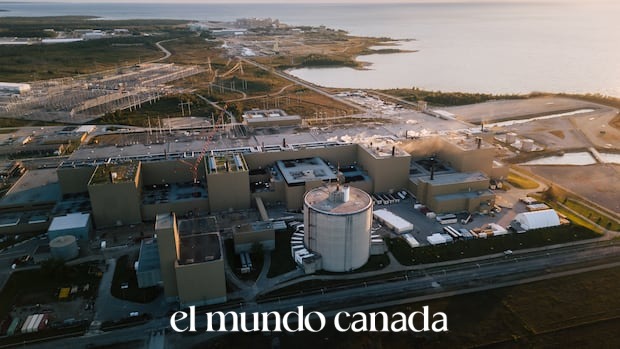
Bruce Power has announced a significant investment of $1 million to support nearby municipalities as they prepare for unprecedented growth linked to Ontario’s expanding nuclear energy sector. The funding will help local communities develop infrastructure and planning strategies to accommodate thousands of new workers expected to arrive in the coming years.
This investment comes as Bruce Power advances its ambitious reactor refurbishment and new build projects at the world’s largest operating nuclear generating station. Located on the shores of Lake Huron in Ontario, Canada, the facility is poised to play a central role in meeting growing electricity demands across the province.
Communities Prepare for Major Population Influx
The Challenge of Rapid Growth
The municipalities surrounding Bruce Power’s facility face a unique challenge. As nuclear energy projects accelerate, these small communities must prepare for a substantial influx of skilled workers and their families. Local governments need resources to plan for housing, schools, healthcare facilities, and essential services.
The $1 million contribution will be distributed among several communities in Bruce and Grey counties. Municipal leaders have expressed gratitude for the proactive approach, noting that advanced planning is essential to maintaining quality of life for both existing residents and newcomers.
Kincardine, the town closest to the Bruce Power site, stands to experience the most significant impact. Town officials have already begun reviewing zoning regulations and exploring partnerships with developers to increase housing availability.
Strategic Infrastructure Planning
The funding will support comprehensive studies examining current infrastructure capacity and future needs. Communities will assess water treatment capabilities, road networks, and public transportation options. These assessments will guide long-term capital investment decisions.
Local leaders emphasize that thoughtful planning today will prevent costly problems tomorrow. Without adequate preparation, rapid population growth can strain services and create tensions between longtime residents and newcomers.
Ontario’s Nuclear Energy Expansion
Meeting Growing Electricity Demands
Ontario’s electricity grid faces mounting pressure from population growth, electric vehicle adoption, and industrial electrification. Nuclear energy provides approximately 60% of the province’s electricity, making it the backbone of Ontario’s clean power supply.
Bruce Power operates eight reactor units with a combined capacity of approximately 6,400 megawatts. The company has committed to keeping these units operational through 2064 via a major life extension program. Additionally, discussions continue regarding potential new reactor construction at the site.
The provincial government has identified nuclear power as essential to achieving its climate goals while maintaining reliable, affordable electricity. This policy direction ensures continued investment and employment in the nuclear sector for decades to come.
Economic Impact of Nuclear Projects
Nuclear energy projects generate substantial economic benefits for host regions. Beyond direct employment at the generating station, thousands of additional jobs emerge in construction, manufacturing, hospitality, and support services.
Bruce Power estimates its operations contribute approximately $4 billion annually to Ontario’s economy. The company employs around 4,000 workers directly, with thousands more employed by contractors and suppliers. During major refurbishment outages, the workforce can swell significantly as specialized tradespeople arrive from across Canada.
Community Partnership Model
Building Long-Term Relationships
Bruce Power’s investment reflects a broader commitment to community partnership. The company recognizes that successful operations depend on maintaining positive relationships with neighboring municipalities. This collaborative approach benefits both the company and local residents.
Previous community investments have supported healthcare facilities, educational programs, and recreational amenities throughout Bruce and Grey counties. The company also operates an Indigenous relations program focused on building partnerships with local First Nations communities.
Corporate responsibility initiatives like this one help address concerns some residents may have about living near a nuclear facility. Transparent communication and tangible community benefits build trust over time.
Municipal Leaders Respond
Local mayors have welcomed the announcement, describing it as a meaningful step toward collaborative growth management. They note that small municipalities often lack the financial resources to conduct comprehensive planning studies independently.
The funding allows communities to hire consultants, engage residents in public consultations, and develop evidence-based growth strategies. This professional approach improves the likelihood of securing provincial and federal infrastructure funding in the future.
The Future of Nuclear Energy in Canada
National and International Context
Canada’s nuclear industry is experiencing renewed interest as governments worldwide seek reliable low-carbon electricity sources. Climate change concerns have prompted many countries to reconsider nuclear power’s role in their energy portfolios.
Small modular reactors represent an emerging technology that could expand nuclear energy’s reach beyond traditional large generating stations. Bruce Power and other Canadian nuclear operators are exploring these innovations while maintaining their existing fleet.
The federal government has signaled support for nuclear energy through various policy mechanisms and funding programs. This national backing provides confidence for long-term investments in communities like those surrounding Bruce Power.
Workforce Development Priorities
Meeting ambitious nuclear expansion goals requires a skilled workforce. Companies, educational institutions, and governments are collaborating to train the next generation of nuclear professionals.
Local colleges and universities have developed programs specifically designed to prepare students for careers in the nuclear sector. Bruce Power actively supports these educational initiatives through scholarships, co-op placements, and curriculum development partnerships.
Bruce Power’s $1 million investment in community planning demonstrates the nuclear industry’s commitment to responsible growth. As Ontario expands its nuclear capacity to meet rising electricity demands, surrounding communities must prepare for significant change. This funding provides municipalities with essential resources to plan thoughtfully for housing, infrastructure, and services. The collaborative approach benefits everyone, ensuring communities thrive while supporting the clean energy transition.
