


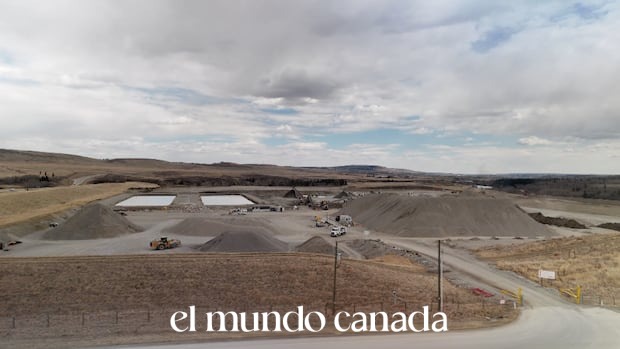
A group of concerned residents west of Cochrane, Alberta, has launched a formal challenge against the provincial government’s decision to approve water use for a controversial gravel pit operation. The Cochrane gravel pit water approval has sparked intense debate among community members who fear the project could devastate local water supplies and permanently alter their rural landscape.
The appeal, filed with Alberta’s Environmental Appeals Board, represents the latest chapter in an ongoing battle between aggregate extraction interests and communities seeking to protect their groundwater resources. With water scarcity becoming an increasingly pressing concern across the prairies, this case could set important precedents for future resource extraction projects in the region.
The Gravel Pit Project Under Scrutiny
What the Approval Allows
Alberta Environment and Protected Areas issued the water use approval earlier this year, permitting significant water extraction for gravel washing and processing operations. The approval authorizes the operator to draw water from local aquifers to support aggregate production activities.
Gravel pit operations typically require substantial water volumes for washing extracted materials, controlling dust, and processing aggregate products. Critics argue that the approved extraction rates could place unsustainable pressure on groundwater systems that local residents depend upon for domestic and agricultural use.
The project site sits in a rural area west of Cochrane, where many property owners rely on private wells for their household water supply.
Scale and Scope of Operations
The proposed operation would extract gravel and sand deposits from the site over multiple years. Industrial aggregate operations of this nature often involve heavy equipment, increased truck traffic, and continuous processing activities that extend beyond water consumption concerns.
Local landowners have expressed alarm at both the immediate environmental implications and the long-term cumulative effects of sustained extraction activities in their community.
Residents Voice Environmental Concerns
Groundwater Depletion Fears
The appellants have raised serious questions about the potential impact on the local aquifer system. Many residents in the area depend entirely on groundwater wells, making any threat to these supplies an existential concern for their properties and livelihoods.
“When you live in a rural area, your well is your lifeline,” noted community members involved in the appeal process. Residents worry that industrial-scale water extraction could lower water tables, reduce well productivity, and potentially contaminate groundwater through operational activities.
Hydrogeological assessments and water availability studies have become central points of contention in the appeal. Appellants question whether the provincial review adequately considered cumulative impacts on shared groundwater resources.
Broader Environmental Impact
Beyond groundwater concerns, residents have flagged potential impacts on local ecosystems, including wetlands and wildlife habitats in the surrounding area. Gravel extraction operations can alter drainage patterns, affect surface water features, and disturb natural vegetation.
The environmental assessment process for such projects has drawn criticism from community advocates who argue that current review mechanisms fail to capture the full scope of ecological consequences.
The Appeal Process Explained
How Environmental Appeals Work in Alberta
Alberta’s Environmental Appeals Board provides a mechanism for affected parties to challenge government environmental decisions. Appellants must demonstrate standing—typically by showing they are directly affected by the approved activity.
The board reviews whether the original decision followed proper procedures, considered relevant evidence, and applied appropriate conditions to protect environmental values. Appeals can result in decisions being upheld, modified, or overturned entirely.
This process represents a critical accountability mechanism in Alberta’s resource management framework.
Timeline and Next Steps
The appeal will proceed through formal hearings where both the appellants and the approval holder present evidence and arguments. Expert witnesses may provide technical testimony on hydrogeological conditions, environmental impacts, and operational safeguards.
Decisions from the Environmental Appeals Board can take several months, depending on case complexity and procedural requirements. During this period, the status of approved activities may be affected by interim measures or stays.
Growing Tensions Over Aggregate Extraction
Provincial Demand vs. Local Impacts
Alberta’s construction industry relies heavily on aggregate materials for infrastructure projects, housing development, and road construction. This demand creates economic incentives for gravel extraction that sometimes conflict with community interests and environmental protection goals.
The aggregate industry argues that local extraction reduces transportation costs, lowers carbon emissions from hauling materials, and supports regional employment. However, communities hosting these operations often bear disproportionate environmental and quality-of-life impacts.
Finding balance between provincial resource needs and local environmental protection remains an ongoing challenge for regulators and policymakers.
Water Rights in a Changing Climate
Climate change has intensified concerns about water security across Alberta. Drought conditions, shifting precipitation patterns, and increased demand from multiple sectors have heightened competition for finite water resources.
Against this backdrop, approvals for industrial water use face growing scrutiny from communities determined to protect their water supplies for future generations. The Cochrane-area appeal reflects broader anxieties about sustainable water management in an increasingly uncertain climate future.
What This Means for Future Projects
Precedent-Setting Potential
The outcome of this appeal could influence how Alberta evaluates future water use applications for extractive industries. A decision favoring appellants might prompt more rigorous groundwater assessments and stronger protective conditions on similar approvals.
Conversely, an outcome supporting the current approval could reinforce existing regulatory approaches while leaving community concerns unaddressed. Either result will likely inform ongoing debates about balancing economic development with environmental stewardship.
Community Engagement Lessons
This case highlights the importance of early and meaningful community engagement in resource development planning. Residents who feel excluded from decision-making processes often resort to formal appeals—a costly and time-consuming path for all parties involved.
Proactive consultation, transparent information sharing, and genuine consideration of local concerns could reduce conflicts and build social license for responsible development projects.
The challenge to the Cochrane gravel pit water approval underscores the growing tension between industrial water demands and community water security across Alberta. As residents await the Environmental Appeals Board’s decision, this case serves as a reminder that environmental approvals carry profound implications for local communities.
