


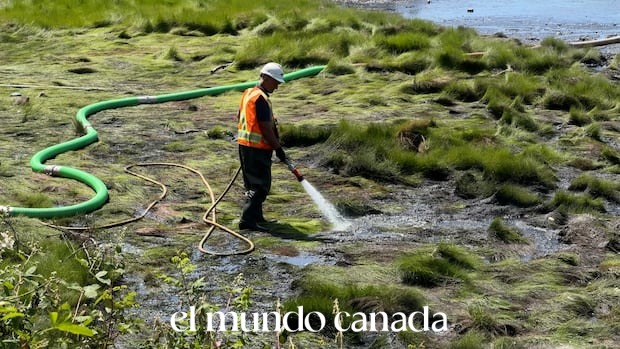
A significant Comox Valley sewage leak has prompted emergency response teams to launch extensive clean up efforts across the affected British Columbia community. The incident has raised concerns among local residents about environmental contamination and public health risks in the region.
Authorities are working around the clock to contain the spill and restore normal conditions to the impacted areas. The sewage overflow has affected multiple locations within the Comox Valley, requiring coordinated efforts between municipal crews and environmental specialists.
What Caused the Sewage Overflow?
The sewage leak in Comox Valley resulted from infrastructure issues within the local wastewater management system. Municipal officials have identified the source of the contamination and deployed crews to address the underlying problem.
Aging infrastructure remains a persistent challenge for many Canadian communities. The Comox Valley Regional District has acknowledged the situation and mobilized resources to prevent further environmental damage.
Investigators continue to assess the full scope of the incident. Early reports indicate that the leak persisted for several hours before crews could fully contain it.
Clean Up Efforts and Emergency Response
Emergency response teams arrived promptly after receiving reports of the sewage spill. Workers have been actively pumping contaminated water and implementing containment measures throughout the affected zones.
The clean up operation involves several key steps:
- Containment: Crews established barriers to prevent further spread of contaminated materials
- Pumping: Industrial equipment removes standing sewage from affected areas
- Disinfection: Teams apply sanitizing agents to reduce bacterial contamination
- Monitoring: Environmental specialists test water quality at multiple points
Local authorities have emphasized that the response follows established wastewater emergency protocols. The Comox Valley Regional District coordinates with provincial environmental agencies to ensure proper remediation procedures.
Environmental Impact Assessment
Environmental officials have begun assessing the ecological impact of the Comox Valley sewage leak. Raw sewage contains harmful bacteria, nutrients, and contaminants that can damage local ecosystems.
Water quality testing remains ongoing at several sites near the spill location. Officials urge residents to avoid contact with potentially contaminated water sources until authorities issue an all-clear notice.
The incident raises concerns about impacts on:
- Local waterways and streams
- Marine ecosystems in nearby coastal areas
- Wildlife habitats in the Comox Valley region
- Groundwater quality
Environmental agencies will continue monitoring conditions in the coming days. The full extent of ecological damage may take weeks to determine accurately.
Public Health Precautions for Residents
Health authorities have issued advisories urging Comox Valley residents to take precautions following the sewage contamination incident. Exposure to raw sewage poses significant health risks, including bacterial infections and gastrointestinal illness.
Officials recommend the following safety measures:
- Avoid affected areas until clean up crews complete their work
- Do not touch standing water in contaminated zones
- Keep children and pets away from impacted locations
- Wash hands thoroughly if any contact occurs
- Report any illness to local health authorities
Residents with private wells near the affected area should consider having their water tested. Municipal water supplies remain safe, according to local officials.
Infrastructure Challenges in Canadian Communities
The Comox Valley sewage incident highlights broader infrastructure challenges facing municipalities across British Columbia and Canada. Many communities rely on aging wastewater systems that require significant investment and upgrades.
Experts note that climate change has increased stress on municipal infrastructure. Heavy rainfall events can overwhelm sewage systems designed for different conditions, leading to overflows and contamination incidents.
The Federation of Canadian Municipalities has repeatedly called for increased federal and provincial funding for wastewater infrastructure improvements. Many systems across the country operate beyond their intended lifespan.
Local officials in the Comox Valley have indicated they will review current systems following this incident. Preventive maintenance and infrastructure upgrades may help reduce future risks.
Timeline for Full Remediation
Authorities have not yet provided a definitive timeline for completing the sewage clean up in Comox Valley. The remediation process typically involves multiple phases that can extend over several days or weeks.
Initial containment efforts have shown progress. However, full environmental restoration requires thorough testing and verification before officials can declare the area safe.
Residents can expect updates from the Comox Valley Regional District as clean up efforts advance. Municipal communication channels will provide information about:
- Progress on remediation work
- Water quality test results
- When normal activities can resume
- Any ongoing precautions required
The community should anticipate some disruption while crews complete their work. Officials appreciate public patience during this challenging period.
Moving Forward After the Incident
The Comox Valley sewage leak serves as a reminder of the importance of municipal infrastructure maintenance and emergency preparedness. Communities across British Columbia face similar vulnerabilities that require ongoing attention and investment.
Local officials have committed to transparency throughout the clean up process. Residents seeking information should contact the Comox Valley Regional District directly or monitor official communication channels for updates.
Anyone who notices signs of continued contamination or environmental damage should report observations to local authorities immediately. Community vigilance helps ensure complete remediation and protects public health.
