


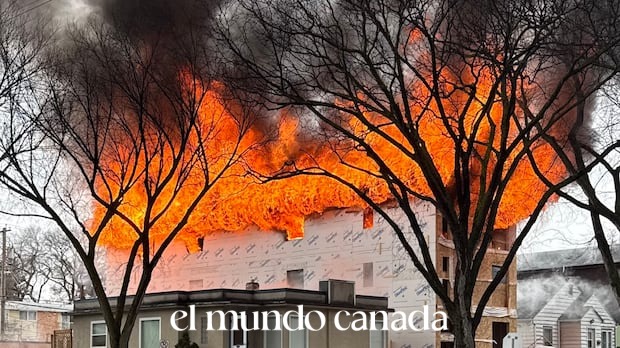
Edmonton housing fires at new construction sites and vacant properties have increased by a staggering 66% since 2022, raising serious concerns among city officials, developers, and residents alike. This alarming trend threatens not only public safety but also the city’s ability to address its ongoing housing crisis.
The sharp rise in fires has prompted Edmonton Fire Rescue Services to investigate the underlying causes and implement new prevention strategies. As the city grapples with housing affordability challenges, these incidents represent a significant setback for development projects already facing tight timelines and budgets.
The Scale of Edmonton’s Fire Crisis
Dramatic Increase in Incidents
According to data from Edmonton Fire Rescue Services, fires involving new housing projects and vacant buildings have climbed dramatically over the past three years. The 66% increase represents dozens of additional fire calls that strain emergency response resources and endanger surrounding neighborhoods.
Fire officials report that many of these incidents occur at construction sites during evening and overnight hours when sites are unattended. Vacant properties, particularly those slated for demolition or renovation, also represent high-risk targets.
The trend mirrors similar patterns seen in other major Canadian cities experiencing rapid development and housing pressures.
Financial and Community Impact
Each fire at a housing development site carries substantial consequences beyond the immediate property damage. Developers face insurance complications, construction delays, and increased security costs that ultimately affect project viability.
For communities waiting for new affordable housing units, these fires mean longer waits for desperately needed homes. Some projects have experienced delays of six months or more following significant fire damage.
Local businesses near affected sites also report disruptions, including temporary closures and decreased foot traffic during fire investigations.
Primary Causes Behind the Surge
Arson and Vandalism Concerns
Fire investigators have identified deliberate arson as a contributing factor in numerous incidents. Vacant properties and construction sites present attractive targets due to limited security and surveillance.
Edmonton Police Service has increased patrols in areas with high concentrations of development activity. However, the sheer number of active construction sites across the city makes comprehensive monitoring challenging.
Investigators urge community members to report suspicious activity near construction zones, particularly after hours. Anonymous tip lines have generated valuable leads in several ongoing investigations.
Accidental Fires at Construction Sites
Not all incidents involve criminal activity. Many fires start accidentally due to:
- Improper storage of flammable construction materials
- Electrical issues in partially completed buildings
- Heating equipment used during colder months
- Smoking in prohibited areas
Construction industry representatives acknowledge that fire safety protocols require strengthening across the sector. Some companies have implemented enhanced training programs and stricter site management procedures.
Homeless Encampments and Shelter-Seeking
Fire officials note a correlation between some vacant property fires and individuals seeking shelter in abandoned buildings. As Edmonton’s homeless population faces ongoing challenges, vacant structures sometimes become temporary refuges.
These situations create dangerous conditions for vulnerable individuals and complicate fire prevention efforts. City officials emphasize the need for addressing root causes, including expanding shelter capacity and support services.
Response and Prevention Measures
Enhanced Security Protocols
Developers and construction companies have begun implementing more robust security measures at active sites. These include:
- 24-hour surveillance cameras with remote monitoring
- Improved perimeter fencing and lighting
- Regular security patrols during off-hours
- Fire detection systems installed earlier in construction phases
While these measures add costs to already expensive projects, industry leaders view them as necessary investments to protect their developments and surrounding communities.
City-Level Initiatives
Edmonton’s municipal government has launched several initiatives to address the fire surge. Building inspectors now coordinate more closely with fire services to identify high-risk properties before incidents occur.
The city has also expedited demolition permits for dangerous vacant structures, removing potential fire hazards from neighborhoods. Property owners who fail to secure vacant buildings face increased fines and enforcement actions.
Fire Rescue Services has expanded its community education programs, working with neighborhood associations to improve awareness and reporting of potential hazards.
Industry Collaboration
Construction industry associations have partnered with fire officials to develop best practices specifically targeting the housing project fire problem. These collaborative efforts include:
- Standardized security requirements for development permits
- Shared intelligence about suspicious activities
- Joint training sessions for site supervisors
- Insurance incentive programs for enhanced safety measures
The Broader Housing Implications
Delays in Addressing Housing Shortage
Edmonton, like many Canadian cities, faces significant pressure to increase housing supply. Every fire at a construction site represents not just property damage but also delayed housing units in a market that desperately needs them.
City planners estimate that fire-related delays have affected hundreds of potential housing units over the past three years. For families waiting for affordable options, these setbacks compound already challenging circumstances.
Insurance and Development Costs
The insurance industry has responded to the increased fire risk by adjusting premiums for construction projects and vacant properties in affected areas. Some developers report premium increases of 15-25% since the trend began.
These additional costs inevitably affect project economics, potentially influencing decisions about which developments move forward and at what price points. Affordable housing projects, which operate on thin margins, face particular vulnerability to these cost pressures.
Path Forward
The 66% increase in Edmonton housing fires since 2022 represents a serious challenge requiring coordinated response from multiple stakeholders. While enhanced security measures and prevention programs show promise, addressing this trend demands sustained attention from city officials, developers, law enforcement, and community members.
Residents can contribute by remaining vigilant and reporting suspicious activity near construction sites and vacant properties. Those with information about fire incidents should contact Edmonton Fire Rescue Services or Crime Stoppers.
As Edmonton continues working to expand its housing supply, protecting these crucial developments from fire damage remains essential to meeting community needs and ensuring public safety.
