


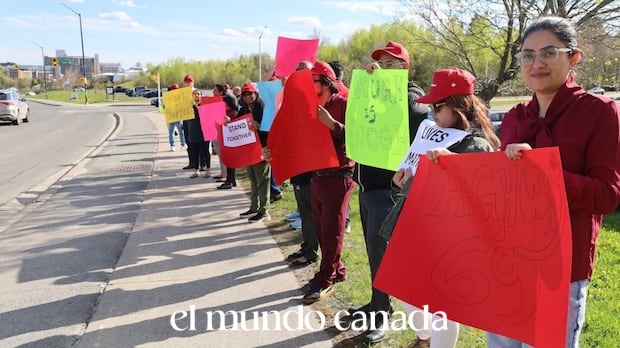
Residents and community leaders in Northern Ontario are intensifying their demands for the completion of Highway 69 twinning south of Sudbury. A recent rally brought together frustrated drivers, local politicians, and safety advocates who argue that the partially completed four-lane highway project has stalled for too long, leaving a dangerous stretch of road that continues to claim lives.
The push to finish expanding Highway 69 into a divided four-lane corridor has gained renewed momentum as communities along the route grow increasingly vocal about the risks posed by the current two-lane sections. With traffic volumes rising and fatal collisions occurring regularly, supporters say the project’s completion is not just a matter of convenience—it’s a matter of life and death.
A Long History of Promises and Delays
Decades of Advocacy for Safer Roads
The campaign to twin Highway 69 stretches back more than 30 years. Originally part of a larger initiative to create a safe, efficient corridor connecting Sudbury to the Greater Toronto Area, the project has experienced numerous starts and stops over the decades.
The Ontario government has completed portions of the highway expansion, transforming some sections into the divided four-lane Highway 400 extension. However, significant stretches remain untwinned, forcing drivers to navigate narrow two-lane roads with limited passing opportunities.
Critics point to inconsistent provincial funding and shifting political priorities as the primary reasons for the delays. Communities along the route have watched neighboring regions receive infrastructure investments while their highway remains incomplete.
The Current State of the Project
As of 2026, approximately 40 kilometers of Highway 69 between Sudbury and Parry Sound still await twinning. This remaining section represents the final gap in what would otherwise be a continuous four-lane highway from Toronto to Sudbury.
Transportation officials have indicated that the project remains on the provincial radar, but no firm timeline for completion has been announced. This uncertainty has fueled frustration among local residents who travel the route daily.
Safety Concerns Drive the Urgency
A Deadly Stretch of Road
The untwinned sections of Highway 69 have earned a grim reputation as one of Ontario’s most dangerous corridors. Head-on collisions, often caused by failed passing attempts on the two-lane stretches, account for a significant portion of serious accidents along the route.
Emergency responders and healthcare workers from the region have added their voices to the chorus calling for completion. They witness firsthand the devastating consequences of crashes on the narrow highway sections.
The highway serves as a critical link for Northern Ontario communities, carrying everything from daily commuters to commercial transport trucks. The mix of passenger vehicles and heavy trucks on undivided lanes creates hazardous conditions, particularly during winter months when road conditions deteriorate rapidly.
Impact on Northern Communities
Beyond safety, the incomplete highway affects economic development throughout the region. Business owners argue that the dangerous road conditions deter investment and make recruiting skilled workers more difficult.
Tourism operators note that visitors traveling to popular Northern Ontario destinations often express concerns about the drive. A fully twinned highway would improve access to attractions throughout the region and potentially boost local economies.
Rally Draws Attention to the Cause
Community Members Demand Action
The recent rally south of Sudbury brought together a diverse coalition of supporters united by their frustration with the project’s delays. Participants included families who have lost loved ones on the highway, local business owners, municipal politicians, and concerned citizens.
Organizers chose a location along the untwinned section to highlight the stark contrast between the completed four-lane portions and the remaining two-lane stretches. The visual demonstration aimed to show provincial decision-makers exactly what communities face daily.
Local mayors from municipalities along the corridor attended the event, presenting a unified front in demanding provincial action. They emphasized that Highway 69 safety improvements represent a regional priority that transcends political boundaries.
Political Response and Commitments
Provincial representatives acknowledged the concerns raised at the rally, though concrete commitments remained elusive. Government officials pointed to ongoing infrastructure investments across Ontario while stopping short of announcing specific funding for the remaining Highway 69 sections.
Opposition politicians seized on the issue, criticizing the government for neglecting Northern Ontario infrastructure needs. They called for the project’s inclusion in upcoming budget allocations.
What Would Completion Mean for the Region?
Transportation and Safety Benefits
A fully twinned Highway 69 would eliminate the dangerous passing situations that lead to head-on collisions. Divided highways with median barriers dramatically reduce the severity of accidents when they do occur.
Travel times between Sudbury and points south would decrease, making the corridor more efficient for both personal and commercial traffic. The improved road would also enhance emergency response capabilities throughout the region.
Economic and Social Advantages
Infrastructure experts note that modern, safe highways attract investment and support population growth. Northern Ontario communities competing for residents and businesses would benefit from improved connectivity to Southern Ontario.
The completed highway would also strengthen supply chains for industries operating in the region, from mining operations to forestry companies. Reliable transportation infrastructure remains essential for economic competitiveness.
The Path Forward
Continued Advocacy Efforts
Organizers of the recent rally have pledged to maintain pressure on provincial officials until the project receives firm funding commitments. They plan additional events and lobbying efforts in the coming months.
Community groups are also working to document safety incidents along the highway, building an evidence base to support their demands. This data-driven approach aims to demonstrate the true cost of inaction.
Hope for Resolution
Despite decades of delays, advocates remain cautiously optimistic that the Highway 69 expansion will eventually reach completion. The growing coalition of supporters and increased media attention have elevated the issue’s profile.
For now, residents along the corridor continue navigating the dangerous stretches while hoping that their voices will finally prompt meaningful action. The completion of Highway 69 twinning represents more than an infrastructure project—it represents a commitment to safety for Northern Ontario communities.
