


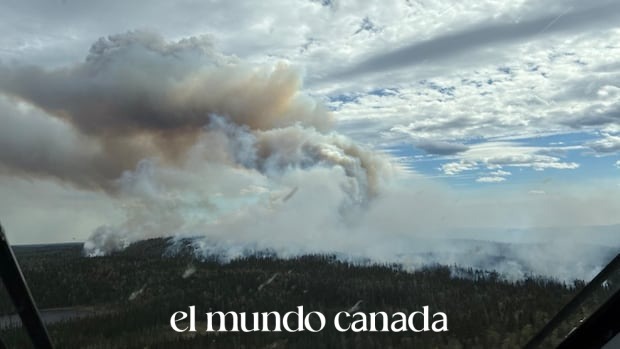
Union Warns Province Lacks Sufficient Firefighters as Fire Season Intensifies
Ontario faces a critical wildfire crews shortage that could compromise the province’s ability to respond effectively to an increasingly dangerous fire season, according to union representatives. The Ontario Public Service Employees Union (OPSEU) has raised urgent concerns about staffing levels within the Aviation, Forest Fire and Emergency Services (AFFES) branch, warning that current resources fall dramatically short of what’s needed to protect communities and natural resources.
As climate change drives longer and more intense wildfire seasons across Canada, the union’s warning comes at a pivotal moment for emergency preparedness in the province. The call for additional firefighting personnel highlights growing tensions between budget constraints and public safety demands.
Current Staffing Levels Fall Short of Demands
According to OPSEU representatives, Ontario’s wildfire fighting capacity has not kept pace with the escalating threat posed by forest fires. The union argues that the province needs to significantly expand its roster of trained wildfire crews to adequately protect both populated areas and vast stretches of boreal forest.
The shortage of wildfire firefighters creates a cascade of problems during peak fire season. Existing crews face extended deployments, increased fatigue, and heightened safety risks. When personnel are stretched thin, response times suffer, and fires that might have been contained early can grow into major conflagrations.
Union officials point to recent fire seasons as evidence of the growing strain on resources. Northern Ontario communities have experienced evacuations and property losses that might have been mitigated with stronger initial response capabilities.
Why Ontario Needs More Forest Fire Fighters
Climate Change Intensifies Fire Risk
The traditional wildfire season in Ontario has expanded significantly in recent decades. Forest fire management experts note that fires now start earlier in spring and continue later into fall, creating a longer window during which full staffing is essential.
Rising temperatures and changing precipitation patterns have transformed Ontario’s fire landscape. Forests that once retained moisture now dry out faster, creating tinderbox conditions that can turn a small ignition into a major emergency within hours.
Northern Communities Face Greatest Threat
Indigenous and remote communities in Northern Ontario bear a disproportionate burden when wildfire response falls short. These communities often lack road access, making air support and rapid crew deployment critical to their safety.
When wildfire emergency response resources are insufficient, evacuation becomes the default strategy rather than fire suppression. This approach displaces families, disrupts essential services, and imposes significant costs on both communities and provincial budgets.
Union Demands Action from Provincial Government
OPSEU has called on the Ontario government to commit to hiring additional wildfire crews before the situation deteriorates further. The union emphasizes that training qualified forest fire fighters takes time, making immediate action essential for future preparedness.
Representatives argue that investing in firefighting personnel represents smart fiscal policy. The cost of deploying adequate crews pales in comparison to the expenses associated with major fire events, including:
- Emergency evacuations and temporary housing
- Property and infrastructure damage
- Long-term environmental restoration
- Healthcare costs from smoke exposure
- Economic losses to forestry and tourism industries
The union has also highlighted concerns about equipment and infrastructure, noting that personnel investments must be accompanied by adequate tools and support systems.
Provincial Response and Budget Considerations
The Ontario government has acknowledged the challenges facing its wildfire management program but has not committed to specific staffing increases. Officials have pointed to existing investments in firefighting infrastructure and mutual aid agreements with other provinces and territories.
However, critics argue that wildfire season preparedness cannot rely primarily on borrowing resources from other jurisdictions that face their own fire threats. The 2023 fire season demonstrated that multiple provinces can experience severe fire activity simultaneously, limiting the availability of shared resources.
Budget discussions continue as the province weighs competing priorities. Wildfire management advocates argue that prevention and response investments deliver substantial returns by avoiding catastrophic losses.
What Adequate Staffing Would Look Like
Experts in fire suppression services suggest that Ontario needs to approach staffing with a long-term perspective. This includes not only hiring additional crews but also creating career pathways that retain experienced personnel.
Key elements of a comprehensive staffing strategy include:
- Increased permanent positions to maintain institutional knowledge
- Enhanced training programs to build specialized skills
- Competitive compensation to attract qualified candidates
- Improved working conditions to reduce burnout and turnover
- Investment in equipment to maximize crew effectiveness
The union has proposed specific staffing targets based on fire risk assessments and historical response data, though negotiations with the province continue.
Looking Ahead to Future Fire Seasons
The debate over Ontario’s wildfire crews comes against a backdrop of concern about Canadian wildfire management more broadly. Provinces across the country are grappling with similar questions about resource allocation and preparedness.
For Ontario residents, particularly those in fire-prone northern regions, the outcome of these discussions carries immediate implications. Adequate staffing could mean the difference between a fire contained at a few hectares and one that forces entire communities to flee.
As fire season progresses, the pressure on existing crews will only intensify. The union’s call for reinforcements reflects a broader recognition that climate adaptation requires sustained investment in the people and systems that protect communities from increasingly severe natural hazards.
Conclusion
The Ontario wildfire crews shortage represents a critical challenge for provincial emergency management as fire seasons grow longer and more dangerous. OPSEU’s call for additional firefighting personnel underscores the gap between current capacity and emerging threats. Whether the provincial government responds with meaningful staffing increases will shape Ontario’s resilience to wildfires for years to come. Residents concerned about wildfire preparedness should stay informed about emergency planning in their communities and support investments in public safety infrastructure.
