


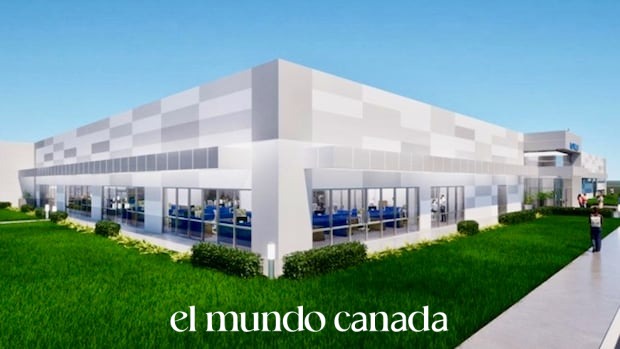
The $1.5 billion Port Colborne battery plant will proceed as planned, even as Honda Canada announces a suspension of its electric vehicle production timeline. Asahi Kasei, the Japanese chemical company behind the battery separator facility, confirmed its commitment to the southern Ontario project this week, signaling continued confidence in North America’s EV supply chain future.
The decision comes amid growing uncertainty in the electric vehicle sector, with several automakers scaling back ambitious electrification targets. However, Asahi Kasei maintains that the Port Colborne facility remains strategically vital for long-term battery manufacturing needs across the continent.
Honda Canada Suspends EV Production Plans
Honda Canada recently announced it would suspend its electric vehicle manufacturing plans at its Alliston, Ontario facility. The automaker cited shifting market conditions and slower-than-expected consumer adoption of battery electric vehicles as primary factors behind the decision.
The pause affects Honda’s previously announced $15 billion investment in Canadian EV and battery production. This investment package included partnerships with multiple suppliers, including Asahi Kasei’s Port Colborne separator plant.
Despite this setback, Honda emphasized its long-term commitment to electrification. The company indicated it would reassess market conditions before determining when to resume EV production activities in Canada.
Asahi Kasei Confirms Project Commitment
Asahi Kasei executives moved quickly to reassure stakeholders following Honda’s announcement. The company confirmed that construction and development of the battery separator manufacturing facility would continue without interruption.
“Our investment in Port Colborne serves the broader North American market,” company representatives stated. The facility will produce lithium-ion battery separators, a critical component that prevents short circuits while allowing ion flow between battery electrodes.
The Japanese firm views the Canadian project as essential infrastructure for the growing continental EV ecosystem. Battery separators represent a crucial EV supply chain component currently dominated by Asian manufacturers.
Economic Impact on Niagara Region
The Port Colborne battery plant promises substantial economic benefits for the Niagara region and surrounding communities. Local officials have championed the project as a transformative investment for an area historically dependent on traditional manufacturing.
Job Creation Expectations
The facility expects to create approximately 320 permanent jobs once fully operational. Construction phases will generate additional temporary employment opportunities for local workers and contractors.
These positions will span multiple skill levels, from production line operators to engineering and management roles. Regional training programs are already preparing local workers for careers in advanced battery manufacturing.
Infrastructure Development
Municipal leaders in Port Colborne have approved significant infrastructure upgrades to support the facility. Road improvements, utility expansions, and related development projects will enhance the area’s industrial capacity.
The investment also positions the Niagara region as a potential hub for additional EV battery component manufacturers seeking Canadian locations.
Canadian EV Industry Faces Challenges
The Honda suspension reflects broader challenges confronting Canada’s electric vehicle ambitions. Multiple factors have contributed to a cooling of the once red-hot EV market across North America.
Consumer Adoption Concerns
Electric vehicle sales growth has slowed considerably from pandemic-era peaks. Higher interest rates, limited charging infrastructure, and vehicle affordability concerns have dampened consumer enthusiasm.
Canadian EV adoption rates, while growing, have not met initial industry projections. This reality has forced automakers to recalibrate production timelines and investment schedules.
Policy and Trade Uncertainties
Trade policy uncertainties between Canada and the United States add complexity for manufacturers planning cross-border supply chains. Potential tariff changes and evolving content requirements under various trade agreements create planning challenges.
The federal government’s clean energy manufacturing incentives remain in place, though their long-term stability depends on political factors beyond industry control.
Battery Separator Technology Explained
Understanding why Asahi Kasei remains committed requires examining the critical role battery separators play in EV technology. These thin membranes represent sophisticated engineering achievements essential for battery safety and performance.
Separators prevent direct contact between positive and negative electrodes inside lithium-ion batteries. Without them, batteries would short circuit immediately, potentially causing fires or explosions.
Modern separators must withstand extreme temperatures, maintain structural integrity over thousands of charge cycles, and permit efficient ion transport. Manufacturing these components requires specialized equipment and expertise that few companies worldwide possess.
Asahi Kasei ranks among the global leaders in separator technology. The Port Colborne plant will bring this expertise to North American soil, reducing supply chain vulnerabilities for continental battery producers.
Future Outlook for Port Colborne Facility
Despite near-term EV market turbulence, long-term projections support continued investment in battery component manufacturing. Analysts expect electric vehicle adoption to accelerate significantly through 2030 and beyond.
The Port Colborne facility positions Asahi Kasei to serve multiple automakers beyond Honda. General Motors, Ford, Stellantis, and emerging EV manufacturers all require separator supplies for their battery production needs.
Diversified Customer Base Strategy
Asahi Kasei’s decision to proceed reflects confidence in securing customers across the automotive industry. The company has not disclosed specific supply agreements but indicated strong interest from multiple potential partners.
This diversification strategy insulates the Port Colborne investment from any single automaker’s production decisions. Even if Honda delays EV production indefinitely, alternative customers exist throughout North America.
Government Support Remains Intact
Federal and provincial government support for the project remains unchanged following Honda’s announcement. Previously announced incentives and tax benefits continue according to original agreements.
Canadian officials have reiterated their commitment to building domestic EV battery supply chain capacity regardless of individual automaker decisions.
The Port Colborne battery plant demonstrates that strategic infrastructure investments can withstand short-term market volatility. While Honda’s EV pause creates uncertainty, Asahi Kasei’s continued commitment signals confidence in North America’s electric vehicle future.
