


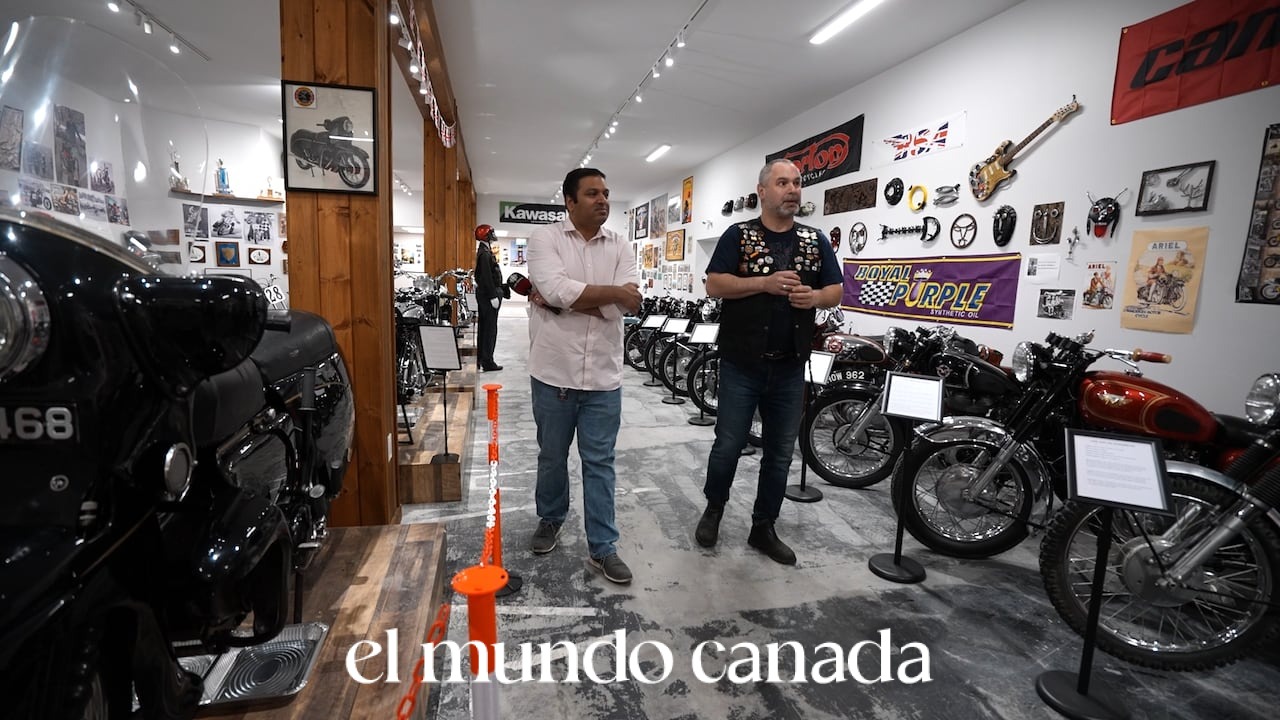
The world of rare vintage motorcycles continues to captivate collectors, enthusiasts, and historians alike. These mechanical marvels represent more than mere transportation—they embody decades of engineering innovation, cultural significance, and artistic design that shaped the motorcycle industry as we know it today.
From early 20th-century pioneers to mid-century classics, iconic motorcycles tell compelling stories of human ingenuity and the relentless pursuit of speed and freedom. Museums, private collections, and specialty exhibitions now dedicate significant resources to preserving these two-wheeled treasures for future generations.
The Growing Appeal of Vintage Motorcycle Collecting
Why Collectors Chase Classic Bikes
The vintage motorcycle market has experienced remarkable growth over the past decade. Collectors seek these machines for various reasons, including historical significance, investment potential, and pure nostalgic appeal.
Rare motorcycles from prestigious manufacturers often command premium prices at auction houses worldwide. Models from brands like Indian, Vincent, Brough Superior, and early Harley-Davidson consistently attract serious bidders willing to pay six or seven figures for pristine examples.
Beyond monetary value, these bikes represent tangible connections to motorcycle heritage. Each scratch, patina, and original component tells a story that modern replicas simply cannot replicate.
Investment Value and Market Trends
The classic motorcycle investment market has outperformed many traditional asset classes in recent years. Auction results demonstrate sustained demand for well-documented, numbers-matching examples with verified provenance.
Experts recommend focusing on motorcycles with racing history, celebrity ownership, or limited production numbers. These factors significantly influence long-term appreciation potential.
Iconic Motorcycles That Shaped History
Pre-War Pioneers and Engineering Breakthroughs
The early decades of motorcycle manufacturing produced some of the most sought-after collectible motorcycles in existence today. Brands like Excelsior, Henderson, and Indian dominated American roads while European manufacturers pushed engineering boundaries.
The 1915 Indian Twin exemplified early innovation with its powerful V-twin engine and sophisticated chassis design. Similarly, British manufacturers like Brough Superior earned the nickname “Rolls-Royce of Motorcycles” through uncompromising quality standards.
These pre-war machines often feature hand-built components, intricate detailing, and engineering solutions that modern computer-aided design has largely replaced. Surviving examples remain exceptionally rare due to wartime metal drives and decades of regular use.
Golden Age Classics: 1945-1970
The post-war period represented a golden age for motorcycle design and performance. British manufacturers dominated global markets while American brands cultivated loyal domestic followings.
Triumph Bonneville, BSA Gold Star, and Norton Commando models from this era remain highly desirable among vintage motorcycle enthusiasts. These bikes combined improved reliability with distinctive styling that continues influencing modern designs.
Japanese manufacturers entered Western markets during this period, introducing innovative technologies that would eventually reshape the entire industry. Early Honda, Yamaha, and Kawasaki models now attract serious collector interest as historically significant artifacts.
Preserving Motorcycle Heritage Through Museums and Exhibitions
Major Collections Open to the Public
Several world-class museums dedicate substantial floor space to historic motorcycles and related artifacts. These institutions play crucial roles in educating visitors about technological evolution and cultural impact.
The Barber Vintage Motorsports Museum in Alabama houses over 1,600 motorcycles spanning more than a century of production. Similarly, the National Motorcycle Museum in the United Kingdom preserves British manufacturing heritage through extensive displays.
Temporary exhibitions frequently tour major cities, bringing rare examples to audiences who might otherwise never encounter such machines. These events generate significant public interest while raising awareness about preservation efforts.
Private Collectors and Their Contributions
Passionate private collectors often maintain museum-quality collections that rival or exceed institutional holdings. These individuals invest considerable resources in acquisition, restoration, and documentation.
Many collectors eventually donate or loan significant pieces to public museums, ensuring long-term preservation and accessibility. This collaboration between private and institutional sectors strengthens the overall vintage motorcycle ecosystem.
Restoration vs. Preservation: An Ongoing Debate
The Case for Sympathetic Restoration
Professional restorers employ various approaches when returning antique motorcycles to operational condition. Some favor complete ground-up restorations using period-correct techniques and materials.
Quality restorations require extensive research, specialized skills, and access to increasingly scarce original parts. Reputable shops maintain detailed documentation throughout the process, preserving provenance for future owners.
Preserving Original Patina and Character
Alternatively, many collectors now prefer preservation over restoration. This approach maintains original finishes, components, and accumulated character rather than returning machines to factory-fresh condition.
Preserved motorcycles often command premium prices because they offer authentic glimpses into history that restorations cannot replicate. Originality verification has become increasingly sophisticated, with experts examining paint layers, fastener markings, and component casting dates.
The Future of Vintage Motorcycle Collecting
Digital Documentation and Authentication
Modern technology increasingly supports vintage motorcycle preservation and authentication. Digital databases, blockchain provenance tracking, and high-resolution imaging help establish and maintain accurate historical records.
These tools protect buyers from fraudulent representations while helping legitimate sellers demonstrate authenticity. The integration of technology with traditional expertise strengthens market confidence overall.
Engaging New Generations of Enthusiasts
Sustaining interest among younger enthusiasts remains essential for the vintage motorcycle community’s long-term health. Events, riding clubs, and educational programs introduce new participants to classic motorcycle culture.
Social media platforms have democratized access to information and community, connecting enthusiasts across geographic boundaries. This connectivity helps maintain vibrant markets while spreading knowledge about proper preservation techniques.
Rare vintage motorcycles represent irreplaceable cultural artifacts that deserve thoughtful preservation and celebration. Whether displayed in prestigious museums or lovingly maintained in private garages, these machines connect us to engineering pioneers and cultural movements that shaped modern transportation.
