


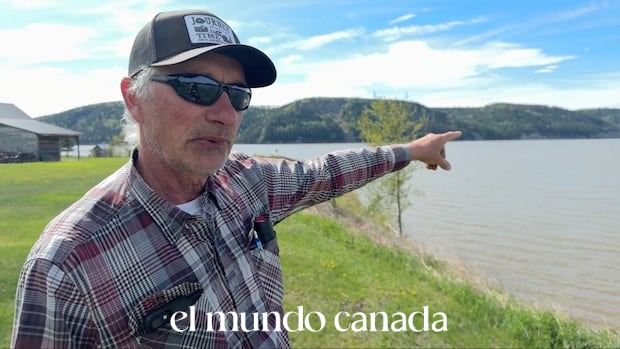
The decision to name a reservoir created by British Columbia’s Site C dam after former Premier John Horgan has ignited fierce backlash from residents and Indigenous communities in northeast B.C. The Site C dam naming controversy has reopened deep wounds for those who lost homes, farmland, and sacred sites to the massive hydroelectric project.
The provincial government announced that the reservoir would be called Dreamer Lake in honor of Horgan, who passed away in November 2023 after battling cancer. However, for many living in the Peace River region, the tribute feels like salt in an open wound.
Local Residents Express Shock and Anger
The announcement caught many northeast B.C. residents off guard. Community members who fought against the dam for years expressed disbelief that the government would honor a politician they hold responsible for approving the project’s continuation.
Arlene Boon, whose family lost their farm to the reservoir, told reporters she was “absolutely stunned” by the decision. The Boon family had farmed the Peace River valley for generations before the flooding displaced them permanently.
Other residents echoed similar sentiments across social media and in local gatherings. Many pointed out that the naming decision came without meaningful consultation with affected communities.
Indigenous Communities Voice Strong Opposition
First Nations leaders have condemned the reservoir naming as deeply disrespectful. The Site C dam flooded traditional territories belonging to the West Moberly First Nations and Prophet River First Nation, destroying burial sites, hunting grounds, and areas of profound cultural significance.
Chief Roland Willson of West Moberly First Nations called the decision “tone-deaf” and insensitive to ongoing Indigenous concerns about the project. Treaty 8 nations have maintained consistent opposition to Site C throughout its development and construction phases.
The dam’s construction proceeded despite multiple legal challenges from First Nations groups. Courts had previously ruled that the project infringed upon treaty rights, though the government moved forward regardless.
This latest naming decision has further strained relations between the provincial government and Indigenous communities already skeptical of reconciliation efforts.
The Contentious History of Site C Dam
The Site C hydroelectric project has been controversial since its inception. The $16-billion dam on the Peace River near Fort St. John represents one of the largest infrastructure projects in British Columbia’s history.
John Horgan inherited the project from the previous Liberal government when he became premier in 2017. Despite campaigning on promises to review the dam’s viability, Horgan ultimately decided to continue construction, citing the significant costs already invested.
That decision devastated communities who had hoped the NDP government would halt the project. Environmental groups, farmers, and Indigenous nations had presented compelling arguments against continuation, including concerns about:
- Agricultural land loss in one of B.C.’s most productive farming regions
- Environmental damage to the Peace River ecosystem
- Cost overruns that continued to escalate
- Treaty violations affecting First Nations rights
The dam began generating power in 2024, but its legacy remains deeply contested.
Why “Dreamer Lake” Name Draws Criticism
The choice of Dreamer Lake references Horgan’s optimistic vision for British Columbia’s energy future. Supporters of the naming argue that Horgan deserves recognition for his leadership and dedication to public service.
However, critics view the name as a painful irony. For families who watched their dreams of maintaining generational farms disappear beneath rising waters, honoring the man who approved that flooding seems cruel.
Ken Boon, who alongside his wife Arlene became prominent voices against the dam, pointed out that their dreams were destroyed so the government could build this project. Naming the reservoir after the premier who authorized that destruction strikes them as profoundly inappropriate.
The Peace River valley represented irreplaceable agricultural land, producing crops that cannot grow elsewhere in northern B.C. That productive farmland now lies beneath the reservoir’s surface permanently.
Government Defends Naming Decision
Provincial officials have defended the decision to honor Horgan with the reservoir naming. Government representatives emphasized Horgan’s significant contributions to British Columbia during his time as premier, including his leadership during the COVID-19 pandemic.
Supporters argue that naming landmarks after political leaders represents a longstanding tradition. They point to numerous geographic features across Canada that bear the names of former premiers and prime ministers.
However, critics note a crucial difference: most named landmarks do not directly memorialize decisions that harmed the communities surrounding them. The Site C reservoir exists specifically because of choices Horgan made that displaced these same residents.
Calls for Reconsideration Grow Louder
Pressure is mounting on the provincial government to reconsider the naming decision. Community groups and Indigenous organizations have launched campaigns demanding either a reversal or meaningful consultation before any official naming proceeds.
Some have suggested alternative approaches to honoring Horgan’s memory that would not inflict additional pain on Site C-affected communities. Memorial scholarships, healthcare facilities, or infrastructure in his home riding of Langford have been proposed as more appropriate tributes.
The controversy highlights ongoing tensions between government decisions made in Victoria and their impacts on rural and northern British Columbia communities. Residents feel their voices continue to go unheard despite years of advocacy and opposition.
What Happens Next
The Site C dam naming controversy shows no signs of resolution. Affected communities have vowed to continue pressing for reconsideration, while government officials have not indicated any willingness to revisit the decision.
For residents of northeast B.C., this latest chapter adds to a long history of feeling overlooked by provincial decision-makers. Whether the government ultimately responds to their concerns remains uncertain, but the backlash has already ensured that any legacy associated with Dreamer Lake will carry complicated undertones.
Those seeking to understand this issue should follow developments from local Peace River news sources and statements from Treaty 8 First Nations.
