


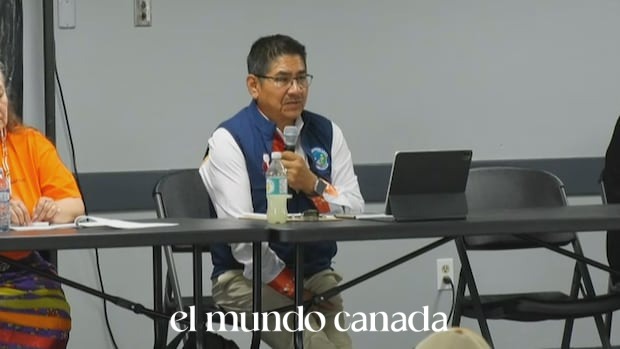
Sturgeon Lake Cree Nation has announced the discovery of 62 potential unmarked graves on its northern Alberta reserve, marking another devastating chapter in Canada’s residential school history. The First Nation revealed findings from a ground-penetrating radar search conducted near the site of a former Indian day school that operated for decades on the community’s land.
The announcement, made public in May 2025, adds to the growing national reckoning with the legacy of Indigenous residential and day schools across Canada. Community leaders expressed both grief and determination as they shared the preliminary results with members and called for continued support in the search for truth.
Ground-Penetrating Radar Reveals Disturbing Findings
Technical Search Methodology
The search team employed ground-penetrating radar (GPR) technology to scan areas surrounding the former Sturgeon Lake Indian Day School. This non-invasive technique has become the standard method for Indigenous communities investigating potential burial sites connected to the residential and day school systems.
GPR technology sends electromagnetic pulses into the ground and measures reflections to identify subsurface anomalies. While the technology cannot definitively confirm human remains, it can detect soil disturbances consistent with unmarked graves.
The 62 potential graves represent preliminary findings, and community leaders have emphasized that further investigation will be necessary to verify the results.
Location and Historical Context
The Sturgeon Lake Indian Day School operated on the reserve located approximately 300 kilometers northwest of Edmonton. Day schools, while different from residential schools in that children returned home each evening, still implemented assimilationist policies and subjected Indigenous children to similar abuses.
Many Indigenous communities are only now beginning to investigate day school sites, as initial national attention focused primarily on residential school locations. Sturgeon Lake Cree Nation’s findings highlight the need for expanded searches across all types of institutions within the Indian residential school system.
Community Response and Healing Efforts
Leadership Addresses the Nation
Sturgeon Lake Cree Nation leadership held a community gathering to share the search results with members before making any public announcement. Elders, survivors, and families received information first in accordance with Indigenous protocols around sensitive discoveries.
Chief and council members stressed the importance of approaching this process with cultural sensitivity and respect for potential victims. The community has established support services for members experiencing trauma or grief related to the findings.
Survivor Testimonies Inform the Search
Survivors of the Sturgeon Lake Indian Day School have played a crucial role in guiding search efforts. Their testimonies helped identify priority areas for investigation and provided historical context that written records often omit or obscure.
Oral histories from survivors and elders described children who disappeared or died while attending the school. These accounts, passed down through generations, have proven essential in directing technological searches to specific locations on the reserve.
Broader Implications for Canadian Reconciliation
National Pattern of Discoveries
The Sturgeon Lake Cree Nation announcement continues a pattern of discoveries that began gaining widespread attention in 2021. The Tk’emlups te Secwepemc First Nation announced finding evidence of 215 potential unmarked graves near the former Kamloops Indian Residential School, sparking national and international attention.
Since then, numerous Indigenous communities across Canada have undertaken similar searches. Collectively, these investigations have identified thousands of potential unmarked graves, fundamentally reshaping public understanding of the residential school system’s deadly impact.
Calls for Government Action
Indigenous leaders continue pressing federal and provincial governments for sustained funding to support community-led searches and commemoration efforts. Many communities lack the financial resources to conduct thorough investigations without external support.
The Truth and Reconciliation Commission documented the deaths of over 4,100 children in residential schools, though commissioners acknowledged this number likely represents a fraction of actual deaths. Ongoing discoveries at sites like Sturgeon Lake underscore the need for comprehensive national efforts to identify all children who never returned home.
Next Steps for Sturgeon Lake Cree Nation
Continued Investigation Plans
Community leaders have outlined plans for additional phases of investigation. These may include expanded radar searches, archival research, and consultation with forensic specialists to develop a complete picture of what occurred at the day school site.
The nation is working with technical experts to analyze the GPR data further and determine appropriate next steps. Any decisions regarding excavation or further investigation will follow extensive community consultation and respect Indigenous protocols.
Memorial and Commemoration
Sturgeon Lake Cree Nation has begun discussing appropriate ways to memorialize any children confirmed to be buried in unmarked graves. Community members will lead decisions about commemoration, ensuring that cultural values and family wishes guide the process.
Support services remain available for community members, including access to elders, counselors, and cultural programming. The nation has encouraged anyone with information about the day school or missing children to come forward.
The discovery of 62 potential unmarked graves at Sturgeon Lake Cree Nation represents another painful milestone in Canada’s ongoing reckoning with its treatment of Indigenous peoples. As communities continue uncovering evidence of children who never came home, the findings demand sustained national attention and meaningful action toward reconciliation. Those seeking more information about residential school history or support services can contact the Indian Residential Schools Crisis Line at 1-866-925-4419, available 24 hours a day.
