


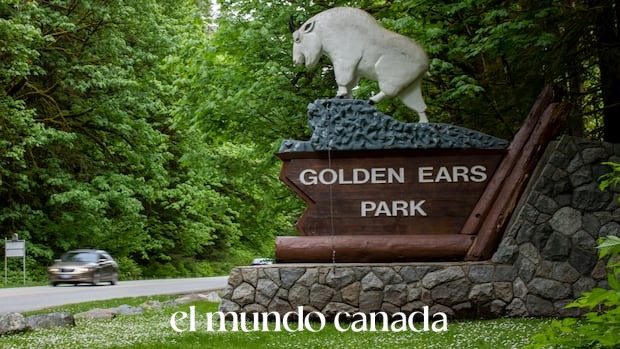
Metro Vancouver residents will enjoy easier access to nature this summer as TransLink summer bus service expands with two brand-new routes connecting communities to popular regional parks. The transit authority announced significant seasonal changes set to take effect in late June 2026, designed to help more people escape the urban heat and explore the region’s stunning green spaces without needing a car.
These additions come as part of TransLink’s broader commitment to improving recreational transit options across the Lower Mainland. With rising fuel costs and growing environmental awareness, the new park-bound bus routes offer a practical and sustainable alternative for families, hikers, and outdoor enthusiasts looking to enjoy British Columbia’s natural beauty.
New Bus Routes Target Popular Park Destinations
Route Details and Coverage Areas
TransLink will launch two seasonal bus routes specifically designed to serve Metro Vancouver regional parks during the peak summer months. These routes aim to address long-standing gaps in transit coverage to outdoor recreation areas that previously required personal vehicles to access.
The new services will operate on weekends and holidays throughout the summer season, providing direct connections from major transit hubs to park entrances. This scheduling strategy targets the highest-demand periods when families and recreational users most need reliable transportation options.
Both routes will feature increased frequency during peak hours, ensuring visitors spend less time waiting and more time enjoying their outdoor adventures.
Integration with Existing Transit Network
The seasonal routes will connect seamlessly with TransLink’s existing SkyTrain and bus network, allowing riders from across the region to reach park destinations with minimal transfers. Transit planners designed the routes to complement current service patterns rather than duplicate existing coverage.
Passengers traveling from Vancouver, Burnaby, Surrey, and other municipalities can use their regular Compass Cards without purchasing additional fare products. This integration removes barriers to access and encourages more residents to choose public transit for recreational trips.
Summer Service Enhancements Beyond New Routes
Frequency Increases on Popular Lines
Beyond the two new park routes, TransLink’s summer service changes include frequency improvements on several existing lines that serve recreational destinations. Popular routes connecting to beaches, hiking trailheads, and waterfront areas will see additional trips added to their schedules.
These enhancements reflect ridership data showing increased demand for recreational transit during summer months. By adding capacity where riders need it most, TransLink aims to reduce overcrowding and improve the overall travel experience.
The frequency boosts will remain in effect from late June through early September, coinciding with the peak outdoor recreation season in British Columbia.
Extended Evening Service Hours
Several routes will also feature extended evening hours during summer 2026, accommodating visitors who want to enjoy longer days at parks and beaches. The schedule extensions recognize that summer’s extended daylight hours create demand for later transit options.
This change particularly benefits families with children who may want to stay for evening activities, sunset viewing, or simply to avoid the midday heat. Extended service also supports workers in the tourism and hospitality sectors who staff seasonal attractions throughout the region.
Environmental and Community Benefits
Reducing Traffic Congestion at Parks
The new TransLink bus service routes address a persistent problem at regional parks: parking lot congestion. Popular destinations often reach capacity on sunny weekends, forcing visitors to circle for parking or turn away entirely.
By providing reliable transit alternatives, these routes can help reduce the number of vehicles entering park areas. This reduction benefits both visitors seeking parking and the natural environments that parks aim to protect from excessive vehicle traffic.
Metro Vancouver Regional Parks has long advocated for improved transit connections as part of broader sustainability initiatives.
Supporting Car-Free Recreation
Many Metro Vancouver residents, particularly younger demographics and urban dwellers, either choose not to own vehicles or cannot afford them. The seasonal park routes open recreational opportunities to these communities that might otherwise remain inaccessible.
Transit-accessible parks become more equitable community resources when people from all economic backgrounds can reach them. This accessibility aligns with regional planning goals emphasizing sustainable transportation and inclusive recreation.
What Riders Need to Know
Service Dates and Schedules
The new seasonal routes will begin operating on June 27, 2026, continuing through the Labour Day weekend in September. Riders should check TransLink’s trip planner for specific departure times and any service alerts affecting their planned trips.
Weekend and holiday schedules will differ from regular service patterns, so transit users should verify timing before heading to their stops. TransLink recommends downloading the official app for real-time updates and service notifications.
Fares and Payment Options
Standard TransLink fares apply on all new and enhanced summer routes. Riders can pay using Compass Cards, contactless credit or debit cards, or mobile payment options through the TransLink app.
Day passes may offer good value for recreational trips involving multiple transfers or return journeys. Families should note that children under five ride free, while youth and senior discounts remain available as usual.
Looking Ahead to Future Expansions
TransLink officials indicated that ridership data collected during summer 2026 will inform future decisions about permanent park service routes. Strong performance could lead to year-round service or additional seasonal routes in subsequent years.
The transit authority encourages riders to provide feedback through official channels about their experiences with the new services. Community input plays a significant role in shaping transit planning priorities and resource allocation decisions.
The addition of two new bus routes serving Metro Vancouver regional parks represents a meaningful step forward in making outdoor recreation accessible to all residents. Combined with frequency improvements and extended evening service, TransLink’s summer 2026 changes offer compelling reasons to leave the car at home and explore the region’s natural spaces by transit. Riders should mark June 27 on their calendars and start planning their car-free summer adventures today.
