


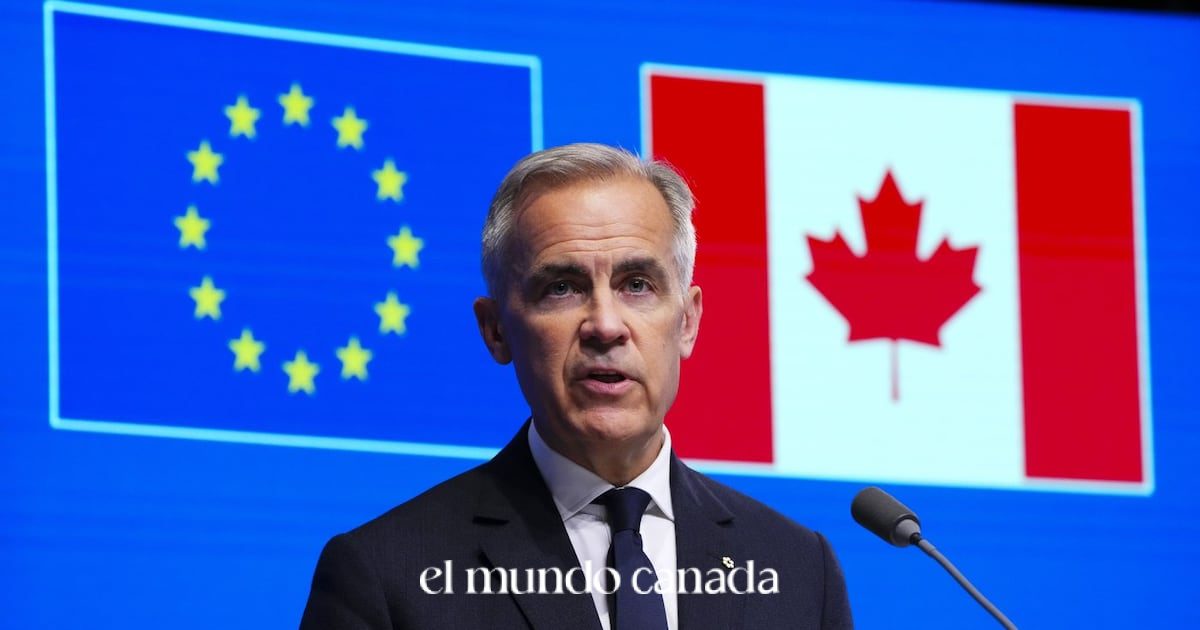
Prime Minister Mark Carney is heading to Europe to strengthen diplomatic ties and boost alliances as Canada navigates an increasingly tense relationship with the United States. The trip comes at a critical moment when Canada-U.S. relations have reached their lowest point in decades, forcing Ottawa to look across the Atlantic Ocean for stronger partnerships and economic cooperation.
The PM Carney Europe alliance strategy represents a significant shift in Canadian foreign policy, signaling that the federal government is prepared to diversify its international relationships beyond its traditional reliance on Washington. This diplomatic pivot could have lasting implications for trade, defense cooperation, and Canada’s position on the global stage.
Why Carney Seeks European Partners
The deteriorating relationship between Canada and the United States under the current White House administration has pushed Ottawa to reconsider its traditional diplomatic priorities. Trade disputes, tariff threats, and public rhetoric from American officials have created an atmosphere of uncertainty that Canadian businesses and policymakers can no longer ignore.
Prime Minister Carney, who previously served as Governor of the Bank of Canada and Governor of the Bank of England, brings unique credentials to these European discussions. His extensive experience in international finance and his established relationships with European leaders position him well to negotiate new frameworks for cooperation.
The PM Carney Europe alliance push also reflects broader concerns among Canadian officials about economic security. With approximately 75% of Canadian exports traditionally heading south to the United States, the current tensions highlight the risks of over-dependence on a single trading partner.
Key European Destinations and Objectives
Prime Minister Carney’s itinerary is expected to include meetings with leaders from major European Union member states, including Germany, France, and the United Kingdom. These discussions will likely focus on expanding trade agreements, coordinating on climate policy, and strengthening defense partnerships through NATO.
The Canada-European Union Comprehensive Economic and Trade Agreement (CETA), which came into effect in 2017, provides a foundation for deeper economic ties. However, Canadian officials believe there is significant untapped potential in the European market that could help offset any economic disruptions caused by the ongoing row with America.
Energy cooperation represents another key area of focus. Europe’s ongoing efforts to reduce dependence on Russian energy supplies create opportunities for Canadian liquefied natural gas exports, critical minerals, and renewable energy technology partnerships. PM Carney is expected to discuss accelerating these arrangements during his meetings.
Read more: Trump Ireland Visit: Backs Irish Unification
Impact on the Latin Community in Canada
For Canada’s Latin community, the diplomatic tensions with the United States and the resulting pivot toward Europe carry important implications. Many Latin American immigrants in Canada maintain family and business connections on both sides of the border, making stable Canada-U.S. relations particularly significant for their daily lives.
Trade disruptions could affect industries where Latin workers are heavily represented, including agriculture, manufacturing, and transportation. The Canadian government’s efforts to diversify trade partnerships may help protect these jobs by opening new markets for Canadian goods and services.
Additionally, stronger ties with Europe could create new immigration pathways and educational opportunities. The European Union has expressed interest in expanding youth mobility agreements with Canada, which could benefit young Latin Canadians seeking international experience. Programs like International Experience Canada may see expanded partnerships with European nations.
Community organizations across Canada are monitoring these developments closely. Business owners in cities like Toronto, Vancouver, and Montreal with ties to both Latin America and Europe may find new opportunities in this shifting landscape, particularly in sectors like food imports, cultural exports, and tourism services.
Economic Implications and Trade Opportunities
The PM Carney Europe alliance strategy could reshape Canada’s economic future in significant ways. While the United States will inevitably remain Canada’s largest trading partner due to geographic proximity, reducing this dependence even marginally could provide important economic buffers against future disputes.
European markets offer particular opportunities in sectors where Canada has competitive advantages. Clean technology, artificial intelligence, aerospace, and agricultural products all represent areas where Canadian companies could expand their European presence. The federal government has indicated it will provide support for businesses looking to diversify their export markets.
The financial services sector may also benefit from closer Canada-Europe ties. Prime Minister Carney’s background in central banking gives him particular credibility in discussing financial cooperation and regulatory alignment with European counterparts. This could facilitate easier market access for Canadian banks and investment firms operating in Europe.
Infrastructure investments represent another area of potential cooperation. European nations have expressed interest in Canadian expertise in areas like northern development, cold-weather construction, and resource extraction. These partnerships could create jobs for Canadian workers while generating revenue streams that reduce reliance on American markets.
Defense and Security Cooperation
Beyond economic considerations, Prime Minister Carney’s European visit will address defense and security matters. As a founding member of NATO, Canada has longstanding military relationships with European allies that predate the current tensions with Washington.
The ongoing conflict in Ukraine has reinforced the importance of transatlantic security cooperation. Canada has been a consistent supporter of Ukraine, providing military equipment, training, and humanitarian assistance. PM Carney is expected to discuss continued coordination on this front with European leaders.
Arctic security represents another area of growing collaboration. As climate change opens new shipping routes and makes Arctic resources more accessible, both Canada and European nations share interests in ensuring stability in the region. Joint exercises, intelligence sharing, and coordinated policy responses to Russian and Chinese activities in the Arctic will likely be on the agenda.
The Canadian Armed Forces already participate in various European missions and training operations. Strengthening these ties could provide Canadian military personnel with additional opportunities for professional development while demonstrating Canada’s commitment to collective security.
What is driving the tensions between Canada and the United States?
Trade disputes, tariff policies, and diplomatic disagreements have contributed to the deteriorating relationship. The Canadian government has sought to diversify its international partnerships in response to these ongoing challenges.
How might stronger Canada-Europe ties affect Canadian workers?
Expanded trade with Europe could create new job opportunities in sectors like clean technology, aerospace, agriculture, and financial services. Workers in industries currently dependent on U.S. markets may benefit from this diversification.
What is CETA and how does it relate to this diplomatic push?
The Canada-European Union Comprehensive Economic and Trade Agreement (CETA) is a free trade deal that took effect in 2017. PM Carney’s visit aims to maximize the benefits of this existing agreement while exploring additional cooperation opportunities.
Will Canada’s relationship with the United States improve?
While Canada is pursuing stronger European ties, the United States will remain an essential partner due to geographic and economic realities. The Canadian government continues to seek constructive dialogue with Washington while developing alternative partnerships.
📘 Follow El Mundo Canada on our social networks: Facebook | Twitter | Instagram
Prime Minister Carney’s European diplomatic mission represents a pivotal moment in Canadian foreign policy. The outcomes of these meetings could establish frameworks for cooperation that shape Canada’s international relationships for years to come. Following the European tour, Parliament is expected to receive a briefing on the trip’s outcomes during the fall session, with potential trade and defense legislation anticipated before the 2026 year-end recess.
Share this article with your community on Facebook and X (Twitter) to keep others informed about how Canada’s changing international relationships may affect life for families across the country.
