


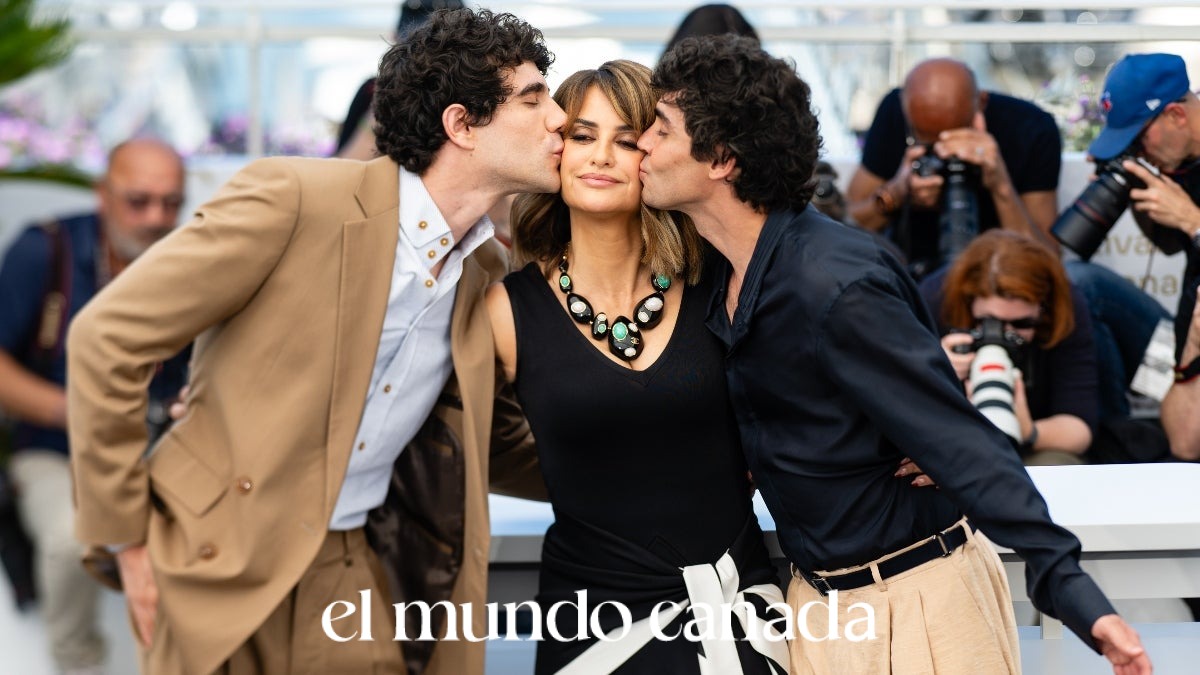
The Cannes Film Festival 2025 winner has been announced, bringing the prestigious 78th edition of cinema’s most celebrated gathering to a dramatic close. French director Alain Guiraudie’s La Gradiva claimed the coveted Palme d’Or, marking a triumphant moment for French cinema on home soil.
However, the final day of the festival was not without controversy. A heated debate erupted over Canal+ and its role in French film financing, casting a shadow over what should have been purely celebratory proceedings. Day 11 proved that Cannes remains as politically charged as it is artistically significant.
La Gradiva Claims the Palme d’Or
A French Victory on Home Turf
Alain Guiraudie’s La Gradiva earned the top prize at this year’s competition, delivering France its first Palme d’Or victory in several years. The film, which premiered to strong critical reception during the festival, showcases Guiraudie’s distinctive storytelling approach that blends sensuality with philosophical depth.
The jury, led by this year’s president, deliberated before selecting the French entry from a competitive slate of 22 films. Guiraudie is no stranger to Cannes recognition, having previously won the Un Certain Regard directing prize for Stranger by the Lake in 2013.
Critical Reception and Festival Buzz
La Gradiva generated substantial buzz throughout its festival run. Critics praised the film’s bold narrative choices and Guiraudie’s confident direction. The victory reinforces France’s dominant position in world cinema and validates the country’s continued investment in auteur-driven filmmaking.
The Palme d’Or represents the highest honor at Cannes, placing La Gradiva among an elite group of films that have defined cinematic excellence over the decades.
The Birthday Party Sparks Debate
Harold Pinter’s Classic Gets Cannes Treatment
Among the notable premieres on Day 11 was an adaptation of Harold Pinter’s The Birthday Party. The film brought renewed attention to Pinter’s work, demonstrating Cannes’ commitment to showcasing literary adaptations alongside original screenplays.
The production featured a strong ensemble cast and stayed faithful to Pinter’s menacing, absurdist tone. Festival attendees responded positively to the adaptation, though it ultimately did not factor into the main competition awards.
Expanding the Festival’s Literary Scope
Pinter adaptations have historically found success at major film festivals. The Birthday Party continues this tradition, proving that theatrical works remain viable source material for prestige cinema. Directors increasingly look to classic plays for material that offers both dramatic depth and built-in recognition.
Canal+ Controversy Dominates Closing Day
Streaming Giant Faces Industry Criticism
The most talked-about development on Day 11 had nothing to do with awards. Canal+, the French media conglomerate, found itself at the center of a brewing controversy regarding its film financing practices and distribution strategies.
Industry insiders expressed concerns about Canal+’s influence on French cinema production. Critics argued that the company’s business decisions could negatively impact independent filmmakers who rely on traditional financing models.
French Film Industry at a Crossroads
The Canal+ debate reflects broader tensions within the French film industry. As streaming platforms reshape distribution models worldwide, traditional players must adapt or risk obsolescence. French cinema, long protected by robust government support and strict quotas, faces unprecedented pressure from global streaming giants.
Festival attendees discussed the implications throughout closing day activities. Many filmmakers voiced support for maintaining France’s unique film financing ecosystem, which has historically enabled artistic risk-taking.
What This Means for Future Productions
The controversy raises important questions about the future of film financing in France. Canal+ holds significant influence over which projects receive funding and distribution. Any shift in the company’s strategy could ripple throughout the industry.
Independent producers expressed particular concern about access to theatrical distribution. The debate highlighted ongoing tensions between theatrical exhibition and streaming-first release strategies.
Complete Awards Roundup
Major Prize Recipients
Beyond the Palme d’Or, the Cannes 2025 awards ceremony recognized excellence across multiple categories. The jury distributed prizes to films representing diverse countries and storytelling approaches.
The Grand Prix, Cannes’ second-highest honor, went to another deserving entry that captivated audiences throughout the festival. The Best Director award recognized outstanding technical and artistic achievement behind the camera.
Acting Honors and Special Recognitions
The Best Actor and Best Actress prizes celebrated performances that elevated their respective films. Both winners delivered work that critics described as career-defining. The Jury Prize rounded out the major awards, honoring a film that demonstrated unique creative vision.
Special mentions also went to debut filmmakers, continuing Cannes’ tradition of nurturing emerging talent alongside established masters.
Industry Implications and Looking Ahead
What Cannes 2025 Signals for Cinema
This year’s festival demonstrated cinema’s resilience amid industry transformation. The strong slate of competition films proved that directors worldwide continue producing ambitious, challenging work despite economic pressures.
The Canal+ controversy serves as a reminder that film festivals exist within complex business ecosystems. Art and commerce remain inextricably linked, even at events celebrating pure artistic achievement.
Anticipating Cannes 2026
As the 78th edition concludes, attention already turns to next year. The Cannes Film Festival will continue evolving alongside the industry it celebrates. Programmers will undoubtedly seek films that push boundaries while honoring cinematic traditions.
