


Former Educator Admits to Possessing and Distributing Illegal Content
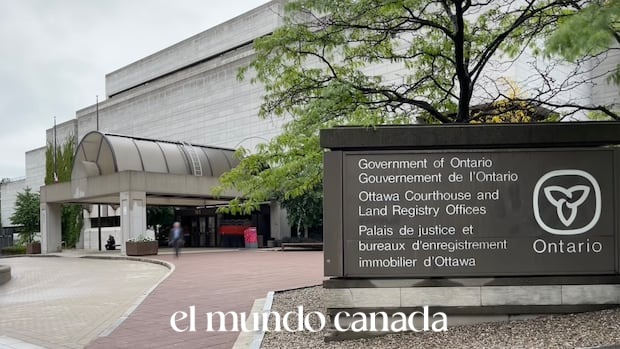
An Ottawa teacher has pleaded guilty to serious criminal charges involving child sexual abuse material, sending shockwaves through the local education community. Stephen Patrick Ruth, a former elementary school teacher, entered his guilty plea in an Ottawa courtroom, admitting to possessing and distributing illegal content depicting the sexual abuse of children.
The case involving Ottawa teacher child abuse charges has raised significant concerns among parents and school officials about student safety protocols and background screening measures in educational institutions.
Details of the Criminal Charges
Ruth faced multiple charges related to child sexual abuse material, commonly referred to as CSAM. The former educator pleaded guilty to both possession and distribution of this illegal content, which carries severe penalties under Canadian law.
The Criminal Code of Canada treats offenses involving child sexual abuse material as serious indictable offenses. Possession can result in imprisonment for up to 10 years, while distribution charges carry even harsher penalties.
Investigators discovered the illegal material during a police investigation, though authorities have not disclosed specific details about how Ruth initially came to their attention.
Teaching Career and School Board Response
Ruth worked as a teacher within the Ottawa-area education system before his arrest. The revelation that an educator entrusted with children’s safety allegedly engaged in such criminal activity has prompted difficult conversations about institutional safeguards.
The school board has cooperated fully with law enforcement throughout the investigation. Officials have emphasized their commitment to student safety and maintaining strict protocols for employee conduct.
Parents and community members have expressed understandable concern following the news. School administrators have worked to reassure families while respecting the ongoing legal proceedings.
Understanding Child Sexual Abuse Material Laws in Canada
Canadian law takes an aggressive stance against child sexual abuse material. The legal framework prohibits the production, distribution, possession, and accessing of such content.
Law enforcement agencies across Canada work closely with international partners to identify and prosecute offenders. Organizations like the Canadian Centre for Child Protection provide resources and support for investigations.
The penalties for these offenses reflect society’s recognition of the severe harm caused to victims. Children depicted in this material suffer ongoing trauma, and the distribution of such content perpetuates their victimization.
Courts consider several factors when sentencing offenders, including the volume of material, the ages of victims depicted, and whether the accused held a position of trust with children.
Impact on the Ottawa Education Community
The guilty plea has reverberated throughout Ottawa’s education sector. Teachers, administrators, and parents have grappled with the disturbing news that someone in a trusted position allegedly committed such offenses.
School safety advocates have called for enhanced screening measures and ongoing monitoring of educators. While background checks are standard practice, some argue that additional safeguards may be necessary.
The case serves as a reminder that individuals who seek to harm children sometimes deliberately pursue careers that provide access to young people. Education officials must remain vigilant and responsive to warning signs.
Support for Victims and Families
Organizations supporting child abuse victims have emphasized the importance of resources for affected families. The trauma associated with child sexual abuse material extends beyond the immediate victims to include their families and communities.
Parents concerned about their children’s safety can access resources through various organizations. The Canadian Centre for Child Protection operates Cybertip.ca, a national tipline for reporting online child sexual exploitation.
Mental health professionals recommend open, age-appropriate conversations with children about personal safety. Teaching children about appropriate boundaries and encouraging them to report uncomfortable situations remains crucial.
Legal Proceedings and Sentencing
With the guilty plea now entered, the case will proceed to sentencing. The court will consider various factors in determining an appropriate punishment, including sentencing guidelines, aggravating and mitigating circumstances, and the need for both specific and general deterrence.
Crown prosecutors typically seek significant jail time in cases involving educators who commit offenses against children. The breach of trust inherent in such cases often results in enhanced penalties.
Ruth’s defense team may present mitigating factors at sentencing, though the serious nature of the charges limits options for reduced punishment. The court will also likely impose conditions including registration as a sex offender and prohibitions on contact with minors.
Protecting Children in Educational Settings
This case underscores the ongoing need for robust child protection measures in schools. Education systems across Canada continuously evaluate and update their safeguarding policies.
Key protective measures include thorough background checks, clear reporting protocols, and training for staff to recognize warning signs. Schools also implement policies governing appropriate interactions between adults and students.
Parents play a vital role in child protection by maintaining open communication with their children and staying engaged with school activities. Reporting suspicious behavior promptly allows authorities to investigate potential threats.
The guilty plea from Ottawa teacher Stephen Patrick Ruth in this child sexual abuse material case represents a troubling reminder that threats to children can emerge from trusted positions. As the legal process moves toward sentencing, the community continues processing this disturbing revelation.
Parents, educators, and officials must remain committed to protecting children through vigilance, education, and robust institutional safeguards. Anyone with information about child exploitation should report it immediately to local police or through Cybertip.ca.
