


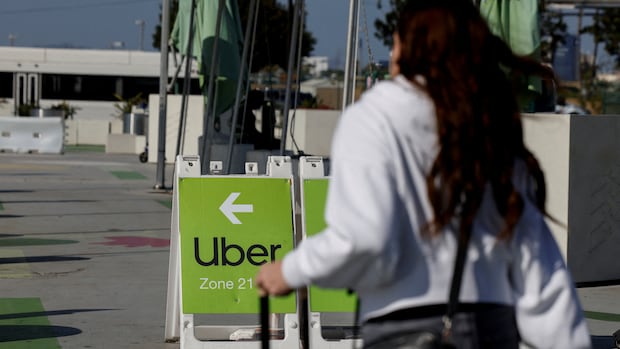
A group of institutional investors has filed a shareholder derivative lawsuit against Uber’s board of directors, alleging the company failed to adequately address sexual abuse and assault committed by drivers against passengers. The Uber sexual assault lawsuit raises serious questions about corporate governance and rider safety protocols at one of the world’s largest ride-sharing platforms.
The legal action, filed in Delaware Chancery Court, accuses board members of breaching their fiduciary duties by ignoring systemic safety failures that have allegedly endangered countless passengers over the years.
Shareholders Allege Board Ignored Safety Red Flags
The lawsuit claims Uber’s leadership received repeated warnings about sexual misconduct by drivers but failed to implement meaningful safety measures. According to the complaint, board members prioritized growth and profitability over passenger protection.
Investors argue this negligence has exposed the company to substantial legal liability and reputational damage. The derivative action seeks to recover damages on behalf of Uber itself, holding individual directors accountable for their alleged oversight failures.
The plaintiffs point to Uber’s own safety reports, which have documented thousands of sexual assault incidents on the platform. Critics say these reports demonstrate the company’s awareness of the problem while highlighting inadequate responses.
Uber’s Safety Record Under Scrutiny
Uber has faced mounting criticism over its handling of driver misconduct and passenger safety concerns. The company’s biennial safety reports have revealed disturbing statistics about sexual assault incidents during rides.
In its most recent disclosure, Uber reported thousands of sexual assault claims across various categories, from unwanted touching to rape. Advocacy groups argue these numbers represent only a fraction of actual incidents, as many survivors never report their experiences.
The lawsuit alleges that despite this documented pattern, board members failed to:
- Implement comprehensive background check systems
- Establish adequate driver monitoring protocols
- Create effective complaint response mechanisms
- Invest sufficiently in safety technology
Corporate Governance Questions Emerge
Legal experts say the case highlights growing investor concerns about corporate accountability in the gig economy. Shareholder derivative suits allow investors to sue on behalf of a corporation when they believe leadership has harmed the company through misconduct or negligence.
One securities attorney noted that this lawsuit represents a significant escalation in holding ride-share companies accountable, adding that investors are signaling that safety failures create material business risks.
The complaint names several current and former board members, accusing them of ignoring warning signs and failing to exercise proper oversight. Directors have a legal obligation to act in the company’s best interests, which plaintiffs argue includes protecting passengers from foreseeable harm.
Uber Responds to Allegations
Uber has defended its safety record and board oversight in response to the lawsuit. The company maintains it has invested heavily in safety features, including GPS tracking, emergency buttons, and driver screening improvements.
A company spokesperson emphasized Uber’s commitment to passenger protection and called the lawsuit’s allegations unfounded. The company pointed to its regular safety transparency reports as evidence of its dedication to addressing these issues.
However, critics argue these measures remain insufficient given the scale of reported incidents. Consumer advocates have long called for stricter regulations governing ride-sharing platforms and more rigorous driver vetting processes.
Legal Implications for Ride-Sharing Industry
The lawsuit could have far-reaching consequences for Uber and its competitors. A successful shareholder action might establish precedents affecting how ride-sharing companies approach safety governance.
Industry analysts suggest the case could prompt:
- Enhanced regulatory scrutiny of gig economy platforms
- Stricter board oversight requirements
- Increased liability insurance costs
- Mandatory safety protocol standards
Other ride-sharing companies are likely monitoring the case closely. Lyft and smaller competitors face similar safety challenges and could encounter comparable legal exposure if courts establish new standards for platform accountability.
Survivor Advocates Welcome Legal Action
Organizations supporting sexual assault survivors have praised the lawsuit as an important step toward corporate accountability. Advocates argue that financial pressure through investor litigation may succeed where other efforts have failed.
One advocacy group representative stated that companies respond to threats to their bottom line and that this lawsuit sends a message that ignoring passenger safety has real consequences.
The case joins numerous individual lawsuits filed by assault survivors against Uber. These personal injury claims have resulted in significant settlements, though critics argue they haven’t produced systemic changes in company practices.
What Comes Next in the Legal Battle
The lawsuit will proceed through Delaware’s Chancery Court, which specializes in corporate governance disputes. Legal observers expect Uber’s board to file motions to dismiss, potentially arguing that business judgment protections shield their decisions.
If the case survives initial challenges, discovery could reveal internal communications about safety concerns and board deliberations. Such documents might prove crucial in establishing whether directors knowingly ignored warning signs.
The litigation timeline remains uncertain, with complex shareholder derivative cases often taking years to resolve. However, the lawsuit’s mere existence may pressure Uber to accelerate safety improvements and enhance board oversight protocols.
Looking Ahead
The Uber sexual assault lawsuit represents a significant moment in the ongoing debate about ride-sharing safety and corporate responsibility. As investors demand greater accountability from platform companies, this case could reshape how tech giants approach passenger protection. Riders, investors, and industry observers should closely follow developments that may establish new standards for gig economy governance.
