


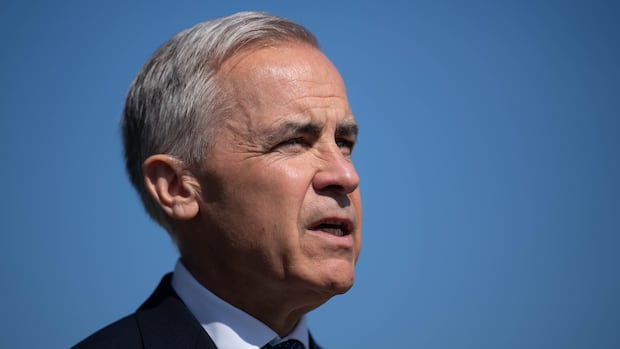
A group of 14 Liberal MPs has sent a formal letter to Prime Minister Mark Carney expressing serious concerns over what they describe as an environmental backslide in the government’s recent deal with Alberta. The Liberal MPs Carney environmental concerns have sparked internal party tensions, highlighting a growing rift between the federal government’s economic priorities and its climate commitments.
The letter, which emerged publicly this week, represents one of the most significant instances of internal dissent within the Liberal caucus since Carney assumed leadership. The signatories argue that concessions made to Alberta Premier Danielle Smith could undermine Canada’s climate goals and set a troubling precedent for future federal-provincial negotiations.
What the Letter Says
Key Concerns Raised by Liberal Caucus Members
The 14 Liberal MPs outlined several specific objections to the Alberta agreement in their correspondence with the Prime Minister. Their primary concern centers on what they perceive as weakened environmental protections in exchange for provincial cooperation on energy projects.
The letter reportedly questions whether the deal adequately maintains Canada’s commitments under the Paris Agreement. MPs expressed worry that relaxing federal oversight could accelerate fossil fuel development without sufficient carbon mitigation measures.
Sources familiar with the document indicate that signatories also raised concerns about the consultation process. Several MPs felt blindsided by the announcement, suggesting they received inadequate briefings before the deal became public.
MPs Behind the Letter
While not all signatories have been publicly confirmed, reports indicate the group includes representatives from British Columbia, Ontario, and Quebec ridings. Many represent urban constituencies where environmental policy ranks as a top voter priority.
The geographic diversity of the signatories suggests this is not merely a regional complaint but reflects broader ideological concerns within the Liberal tent. Several MPs who signed the letter previously championed stronger climate legislation during parliamentary debates.
The Alberta Deal Explained
What Carney Agreed To
Prime Minister Carney’s agreement with Alberta Premier Danielle Smith emerged from months of tense negotiations over natural resource development and federal jurisdiction. The deal reportedly includes provisions that streamline environmental assessments for certain energy projects within the province.
In exchange, Alberta agreed to participate in federal carbon pricing mechanisms and committed to specific emissions reduction targets. The government framed the arrangement as a pragmatic compromise that maintains environmental accountability while respecting provincial jurisdiction over natural resources.
Carney defended the deal as essential for national unity and economic stability during a period of global energy uncertainty. His office emphasized that core environmental protections remain intact despite procedural changes to approval processes.
Provincial Response and Industry Reaction
Premier Smith celebrated the agreement as a victory for Alberta’s energy sector and provincial autonomy. Industry groups similarly praised the deal, arguing it would reduce regulatory uncertainty and encourage investment in Canadian energy development.
Environmental organizations, however, immediately criticized the arrangement. Groups including Environmental Defence and the David Suzuki Foundation characterized it as a significant retreat from federal climate leadership.
Internal Party Tensions Mount
A Test of Carney’s Leadership
The letter represents a notable challenge to Mark Carney’s authority as he works to establish his leadership style within the Liberal Party. Unlike his predecessor, Carney came to politics from the financial sector, and some caucus members have questioned whether his economic background makes him less attuned to environmental priorities.
This internal pushback tests Carney’s ability to manage competing factions within his party while pursuing his broader governing agenda. How he responds to these concerns could shape his relationship with the caucus for the remainder of his tenure.
Political analysts note that Carney faces a delicate balancing act. He must maintain party unity while also demonstrating his government can work constructively with provincial leaders, including those with opposing political philosophies.
Historical Context of Liberal Environmental Policy
The Liberal Party has historically positioned itself as a champion of environmental protection and climate action. The previous government implemented national carbon pricing and made significant investments in clean energy transition programs.
Critics within the party worry that the Alberta deal signals a departure from these commitments. They argue that compromising on environmental oversight, even for legitimate economic reasons, risks alienating the voter base that supports the Liberals specifically because of their climate platform.
Supporters of Carney’s approach counter that effective climate policy requires provincial cooperation. They suggest that rigid federal positions have historically generated backlash that ultimately undermines environmental progress.
What Happens Next
Potential Outcomes and Party Response
The Prime Minister’s Office has acknowledged receiving the letter and indicated that Carney takes caucus concerns seriously. A spokesperson stated that the government remains committed to environmental protection while also pursuing economic growth.
Some political observers expect Carney to address the signatories directly in upcoming caucus meetings. Others suggest he may offer clarifications about environmental safeguards within the Alberta agreement to assuage concerns without reopening negotiations.
The situation also raises questions about whether additional MPs share these concerns but chose not to sign the letter publicly. Internal party dynamics often involve more widespread discontent than formal expressions of dissent suggest.
Implications for Federal Climate Policy
This internal debate could influence how the government approaches future provincial negotiations on environmental matters. If Carney perceives significant caucus resistance to similar deals, he may adopt harder negotiating positions with other provinces.
Alternatively, if the Prime Minister successfully navigates this challenge, it could embolden him to pursue additional pragmatic compromises that prioritize achievable progress over ideological purity.
The letter from 14 Liberal MPs to Prime Minister Carney underscores the persistent tension between economic development and environmental protection in Canadian politics. As the government navigates complex federal-provincial relationships, internal dissent reveals the challenges of maintaining party cohesion while pursuing compromise-based governance. Canadians concerned about climate policy should watch closely how this situation develops, as its resolution will likely signal the direction of Liberal environmental strategy in the months ahead.
